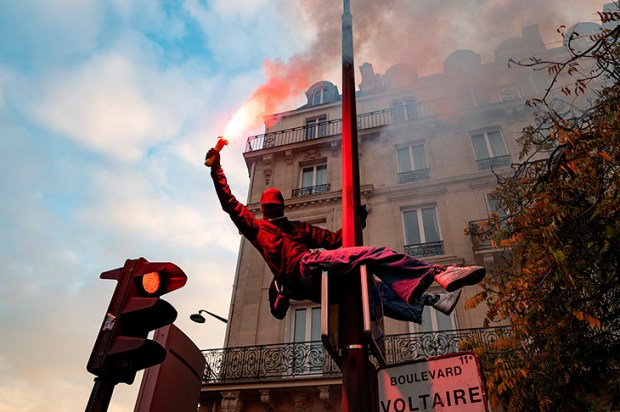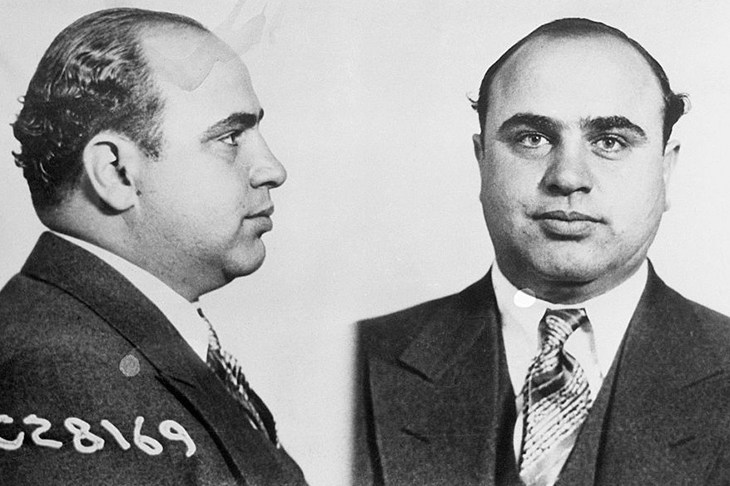
In 1920s Chicago, gangsters bombed saloons that bought from the wrong supplier. In 2026 Melbourne they are doing it again. This year a run of extortion, shootings and firebombings swept the bars and nightclubs of the CBD, Southbank and Chapel Street. A jerry can of fuel was left outside a laneway cocktail bar. Detectives say contract arsonists, many barely out of school, were paid anywhere from $500 to $20,000 a job. Police call it the ‘bar wars’. It is Al Capone all over again, and this time the government wrote his business plan.
The plan is simple. Tax a legal product until the illegal version is a goldmine, then act surprised when criminals dig for gold. Canberra has done exactly that with spirits. Excise rose in August to $110.15 per litre of pure alcohol. Outside Scandinavia, that is the highest rate in the world. It climbs automatically twice a year with inflation, so no minister ever has to stand up and defend it.
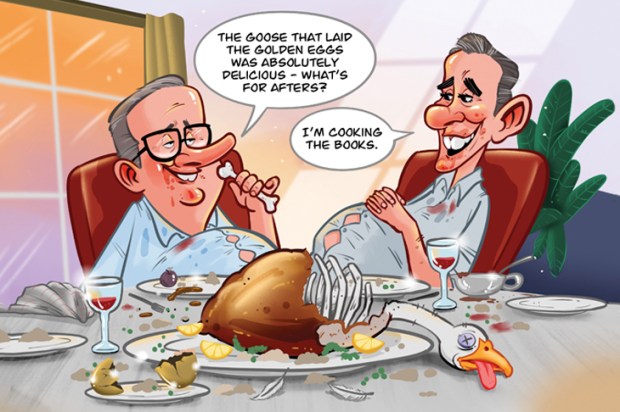
The result is now in the Tax Office’s own figures. The alcohol tax gap has hit a record $1.23 billion a year. Illicit alcohol has taken 13.7 per cent of the market, and the trade has more than doubled in a decade. Canberra has written off $2.3 billion in forecast spirits revenue over four years. Meanwhile a remission scheme meant to help small craft distillers has blown out to nearly three times its budget. The Spirits Council says sham operators are using it to push tax-free spirits through the market without distilling a drop. That $1.2 billion a year is a gift to organised crime. Honest distillers, publicans and taxpayers pay for it. Drinkers pay too, because nobody knows what is in a bottle of bootleg vodka.
None of this is a mystery. We have watched the same film with tobacco. Excise collections peaked at $16.3 billion in 2019-20. Treasury now expects about $5.5 billion this year. Two budget updates have written off more than $15 billion. That money did not vanish. It moved from the Treasury to the gangs, who have since fought over it with more than 300 arson attacks and several murders. The 313 gang, founded by a tobacco kingpin now serving life, is alleged to have up to 2,000 foot soldiers on call. The Spirits Council warns that the bootleggers are following the same path into liquor. The government’s response is a shrug.
Why so relaxed? Because Canberra has arranged things so it never has to pay the price. The Commonwealth sets the excise and banks whatever revenue survives. Federal agencies watch the border. The states police the shopfronts. It is state police who chase the arsonists, state fire brigades who hose down the ruins and state courts that process the teenagers. Victoria has had to build an entire tobacco licensing regime, with 90-day closure orders and fines above $2.4 million. When a tobacconist burns in a Melbourne suburb, the headlines blame Spring Street. Nobody blames the federal Treasurer whose tax made the fire profitable. Canberra takes the moral credit for a ‘health’ tax and leaves the states with the body count.
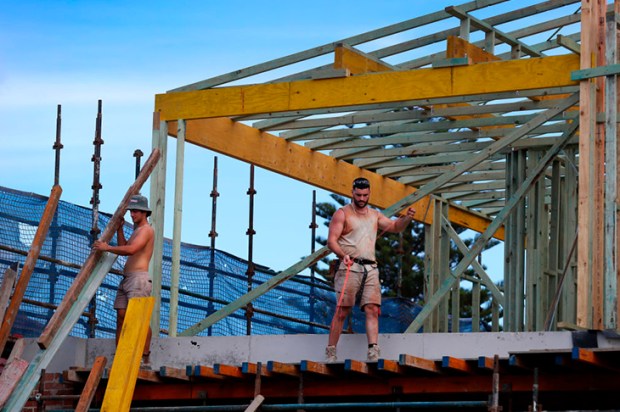
The Big Build follows the same pattern, with the roles reversed. Here Victoria spends and the Commonwealth helps pay. The Victorian government’s program of tunnels, rail and roads is worth $109 billion, with federal money in many of its projects. Geoffrey Watson SC investigated the CFMEU in 2024. His integrity expert’s report estimates that around $15 billion may have been lost to wrongdoing on taxpayer-funded Victorian sites. The allegations include bikies and criminals placed on jobs, standover tactics, sham labour hire and work paid for but never done. As premier Jacinta Allan disputed this figure and refused a royal commission. Her successor, Ben Carroll, has appointed a royal commission and promised ‘follow the money’ powers for Victoria’s anti-corruption commission, but these will not be legislated until after a review ends in late 2027.
Follow the money is exactly the point. The CFMEU was for years among Labor’s most generous donors. Labour-hire firms tied to the union have given to Victorian Labor and its MPs. Union money flows into the party. Government contracts flow back out to sites the union controls. Canberra did put the union’s construction arm into administration, and that was the right call. Yet federal dollars still pour into the same projects on much the same terms. Ministers assure us their funding agreements have strong accountability provisions. Fifteen billion dollars says otherwise. Every dollar lost there is a dollar not spent on hospitals or schools.
Put the three crises side by side and they share one anatomy. A government sets a price far above what the market will bear. With tobacco and spirits it is the excise. On the Big Build it is the cost of every hour worked on a union site.
Criminals move in to capture the gap. Honest businesses go under or go up in smoke. The taxpayer loses twice, once in revenue forgone and again in the cost of policing the mess. And the people responsible never pay, because the blame lands somewhere else.
That is not just failure. It is contempt for the taxpayer. A government that cared about public money would not watch $15 billion leak from its building sites and call for a review. It would not watch tobacco revenue fall by two-thirds and let the rate keep climbing. It would not see the spirits black market double and leave indexation on autopilot. It would not leave shopkeepers to face the arsonists alone while pocketing the tax that put a target on their backs.
The cure is no secret, and every minister knows it. Cut the excise on tobacco and spirits drastically, to a level where the honest seller can beat the smuggler on price. Scrap the automatic twice-yearly indexation. Close the remission rort. Stop federal funding for any project where the union runs the site. Revenue would rise, not fall, because a lower tax that people pay beats a higher tax they evade. The arsonists would lose their margin, and with it their reason to strike a match.
There is a final irony. Al Capone was never convicted of bootlegging, extortion or murder. He was brought down by the taxman. In Australia the taxman has become organised crime’s most reliable business partner.
Got something to add? Join the discussion and comment below.
Peter Swan AO is Emeritus Professor of Finance at the UNSW-Sydney Business School.
You might disagree with half of it, but you’ll enjoy reading all of it. Try your first month for free, then just $2 a week for the remainder of your first year.