Why am I not surprised the 2026 Census feels a bit … politicised?
The last time a national census was held under a Labor government was in 2011. What a coincidence that those are the only two occasions I have felt the process turned into a political exercise. That is my opinion, at least.
This year the battleground is obvious.
For the first time, Australians aged 16 and over were asked optional questions about sexual orientation and gender identity. At the same time, secular campaigners ran a coordinated push to mark ‘No Religion’. Religious groups counter-campaigned, and the Australian Bureau of Statistics (ABS) was reduced to pleading with the public to ignore online crusades.
It is my opinion that the Census has become another front in the identity wars. And Labor, after initially baulking at the ‘divisive’ new questions, eventually waved them through.
Here’s what happened 15 years ago.
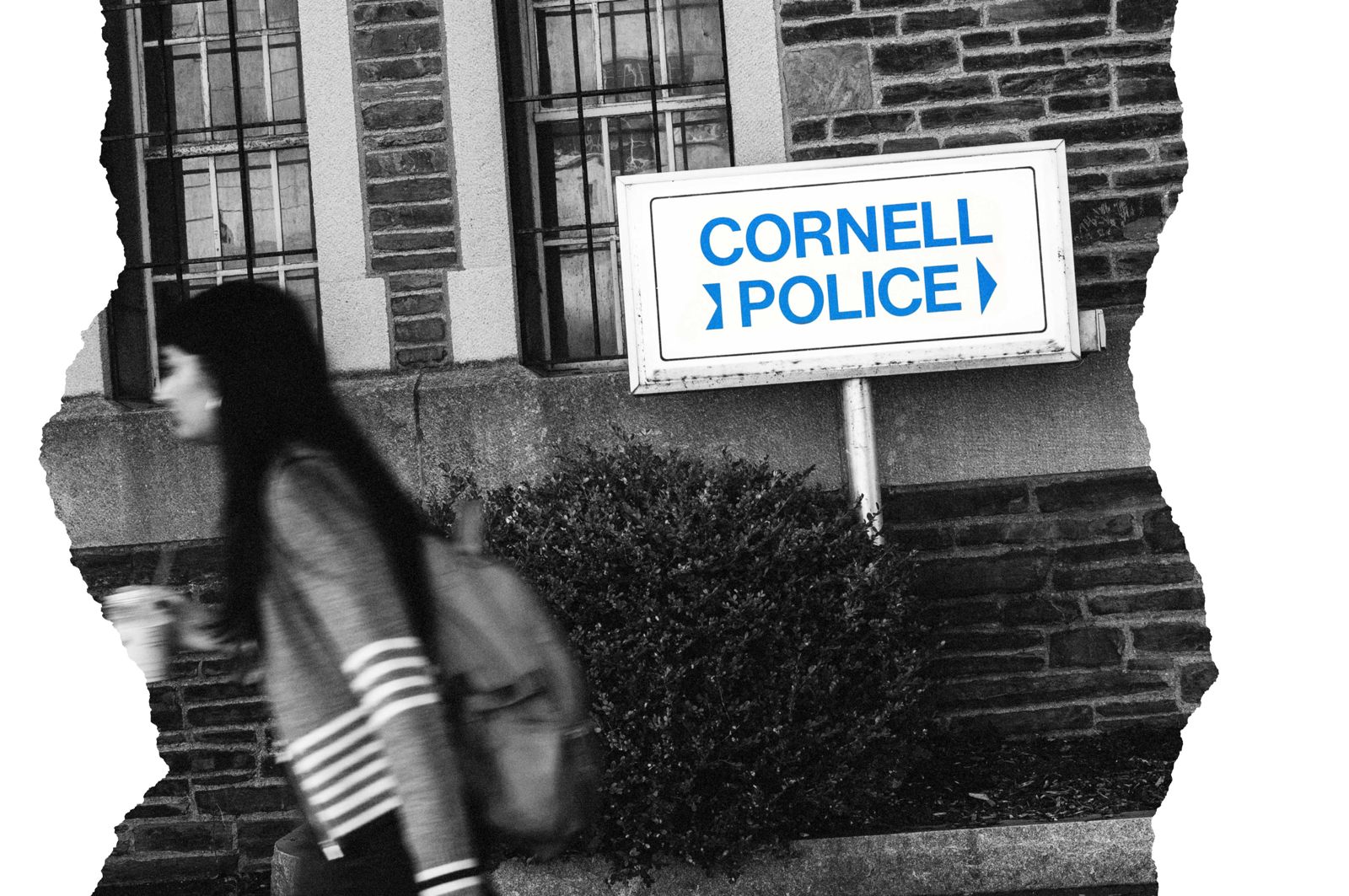
I was at work when my then-wife rang to say an ABS fieldworker had turned up at the door and told her that she and my teenage son had been selected to provide extra information for the Census. While this later proved to be inaccurate, the fieldworker was waving a piece of paper and insisting they both give height, weight, and other medical details, including blood and urine samples.
I was livid. She had no authority over my son, and as far as I am concerned, if I haven’t broken the law the state stops at my front door. I went straight into complaint mode: a letter to the Chief Statistician, another to my local member, and a third to the responsible minister, Bill Shorten.
From both politicians I received the usual lecture about civic duty and the national benefit of the data. Nothing about the voluntary nature of the scheme or the heavy-handed approach at the door. Only later did I discover the whole thing was not part of the Census at all, but a coinciding National Health Measures Survey with a voluntary biomedical component. About 37 per cent of those approached took part.
The Chief Statistician’s office was the only one that responded properly. They apologised for the fieldworker’s conduct, confirmed the survey was voluntary, and arranged for me to meet the collector at my university office rather than at home. I told him what I was prepared to say and that was the end of it.
I am not normally opposed to research. It was a large part of my working life for more than 20 years. Yet every time I wanted to interview people, I had to clear a university ethics committee that would never have allowed me to wave official-looking papers at subjects and potentially pressure them into participating.
In the end, I had to fight simply to protect my rights from an over-zealous fieldworker and a process that felt far more compulsory than it actually was. The survey itself was voluntary. The problem was the way it was presented at the front door, and the ease with which official authority can be used to confuse ordinary people about their obligations.
That same readiness to lean on official authority is visible again in 2026, only now the pressure is political rather than personal. A coalition of secular groups ran a ‘Mark No Religion’ campaign explicitly aimed at lifting the non-religious count. The new questions on sexual orientation and gender identity, initially dropped by the Albanese government as too ‘divisive’ and then reinstated under activist pressure, sit comfortably within the same pattern.
Like much social science research in the contemporary academy, none of this is designed to understand why people are flocking to One Nation. It is designed to discover ways to curtail it. It is not designed to comprehend the religious beliefs or practices of the polis so much as to shift the numbers in a preferred direction.
The lesson from 2011, confirmed in 2026, is that the Census process can become an extension of the identity politics arena, even accidentally.
The Census should not be an exercise in collecting policy-based evidence or signalling approved identities. Yet here we are with questions about how we shag – something that not long ago would have been regarded as crass, crude, and completely lacking in etiquette.
Australians have a right to tell the government to mind its own business. And its business is protecting society from internal and external aggressors, improving productivity, and improving our standard of living – not … whatever that was.
Dr Michael de Percy @FlaneurPolitiq is the Spectator Australia’s Canberra Press Gallery Correspondent. If you would like to support his writing, or read more of Michael, please visit his website.