Later this morning, former Labour health secretary Alan Milburn will release his report on the crisis of young people doing nothing. His solutions to the Neets problem will include new school readiness targets, more apprenticeships, better mental health support, a new benefit system for under-25s and the foundation of a ‘Youth Opportunity Service’.
Before that, though, the government has had some good news by way of the Office for National Statistics (ONS). The latest labour market figures, released this morning, show unemployment unexpectedly fell to 4.6 per cent, while 20,000 new payrolled jobs were created between August and September.
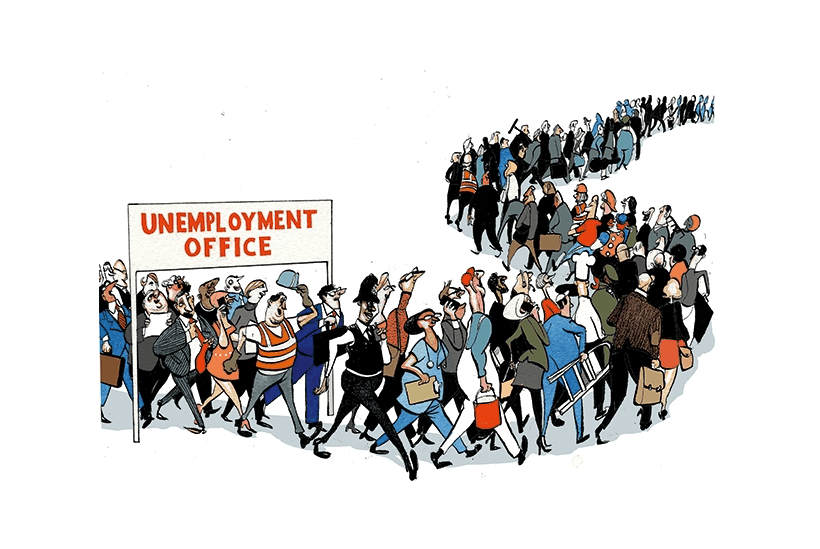
There was good news on youth unemployment too, which fell for the second month in a row to 15 per cent – the lowest rate in more than a year.
These figures buck the trend of job destruction kicked into gear by the £25 million national insurance raid and hikes to the minimum wage. Together these policies have contributed to 200,000 fewer payrolled jobs since Labour took office.
Nevertheless, today’s figures from the ONS, with the unemployment rate at its lowest since August 2025, point to a tighter jobs market than many had expected.
On wages, the pace of pay rises slowed in September, which will reduce pressure on the Bank of England to yet again hike interest rates. Wage growth fell to 3.5 per cent – down from 3.7 per cent the month before. This, the ONS said, was driven by a fall in public sector wage growth that has been elevated for the last few months.
The good news, I’m afraid, stops there, though. A ‘flash estimate’ of the payroll data shows a fall of 34,000 in September – the largest single-month drop since November 2020. Vacancies fell too to their lowest level – outside of lockdowns – since 2014.
Elsewhere, business costs increase and inflation data, which will be released tomorrow, is likely to show those costs are only going in one direction. The response from employers will be obvious: another slowdown in hiring. So the government can thank their lucky stars that they’ve started the day of Milburn’s launch with relatively good economic news. But it’s not going to last.