No ballet dancer has been a ‘household name’ in Britain for more than a generation now – even mention of Darcey Bussell would draw a blank on the Clapham omnibus were it not for her post-retirement stint as a judge on Strictly. The days when the likes of Margot Fonteyn and Moira Shearer were splashed over front pages have long gone.
But Marianela Nunez and Carlos Acosta seem to have enough traction in the metropolis to sell about 11,000 seats each for week-long seasons at Covent Garden showcasing their artistry. (In other words, they could just about fill Wembley Arena once.) Both are without question enormous talents, celebrated internationally, their Hispanic origins reflecting a global trend in ballet demographics. At 44, the Argentine Nunez is dancing in her prime with the Royal Ballet; Cuban Acosta, 53, no longer takes classical roles, but combines direction of Birmingham Royal Ballet and managing with performing with his small contemporary company Acosta Danza.
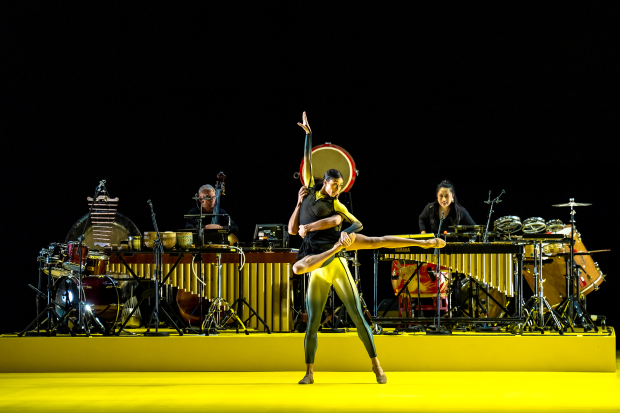
The soirée presenting Nunez was too long and somewhat indigestible but full of good things. Some superb supporting performances registered as the programme unfolded – notably the effortlessly aerial Vadim Muntagirov, Akane Takada and Calvin Richardson in an intense encounter from McGregor’s Infra, and Fumi Kaneko and Lukas B. Braendsrod rapturous throughout a sublimely interminable extract from Wheeldon’s After the Rain.
Nunez herself showed astonishing stamina, dancing in four very different pieces, including two taxing pas de deux by Petipa and Balanchine. The Petipa – Le Corsaire, a piece of virtuoso nonsense, with Muntagirov her partner – demonstrated her unflappable technical mastery, elegance of line, and immaculate finish, as did the more lyrical tonality of the third section of Robbins’s romantic reverie In the Night. Every step she danced was lucidly articulated, marvellously precise and cleanly placed.
There’s no dirt, no venom, no cunning: Nunez has no dark side
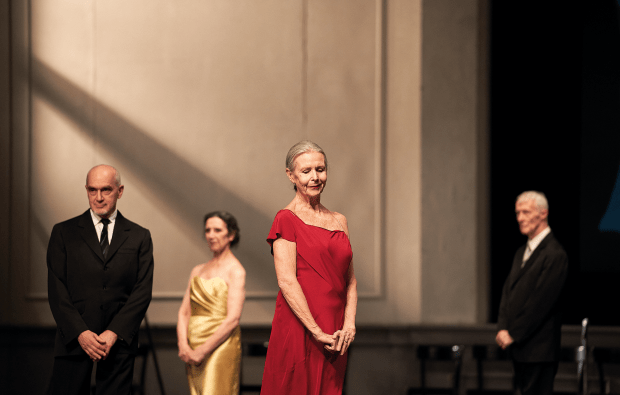
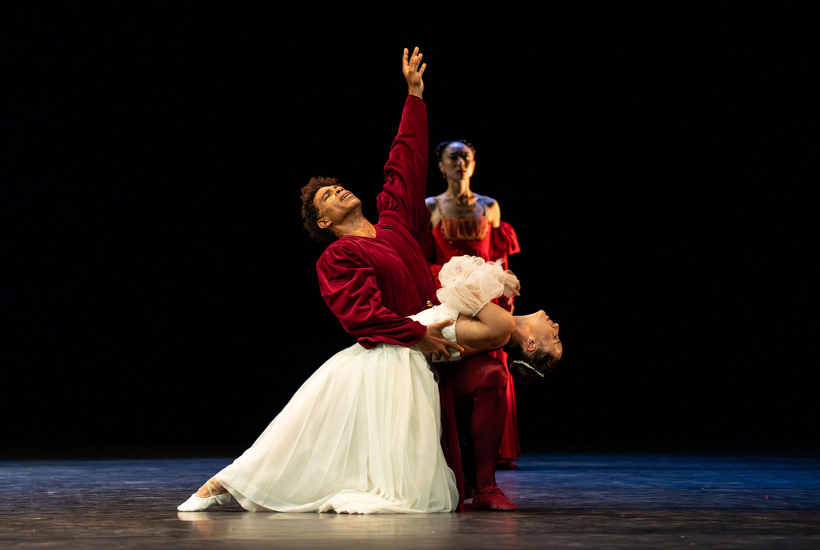
But in consequence she wasn’t very interesting. She isn’t that sort. There’s no dirt, no venom, no cunning: she has no dark side. Her blandness showed up when it came to the feverish passions of Ashton’s Marguerite and Armand. It’s far from being one of his best – the word ‘kitsch’, indeed, is sometimes applied – but more arresting personalities such as those of Sylvie Guillem or Tamara Rojo can make something enthralling of Marguerite the tubercular courtesan, ardently in love, broken by convention. Nunez does it all by the book, and you think about a good little girl trying her best in the school play. Likewise her Armand, William Bracewell, whose interpretation was exquisitely danced but devoid of animal sensuality.
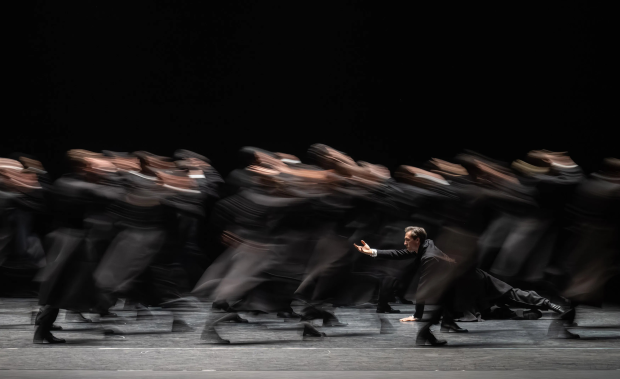
That is a quality that Carlos Acosta radiates in spades, and it goes deeper than mere sexiness. Age may have deprived him of some of his fancier footwork, but I don’t think I’ve ever seen him dance with more richly nuanced character than he did in the centre of a powerful revival of The Moor’s Pavane, Jose Limon’s fantasia on Othello set to music by Purcell, with BRB’s star couple Max Maslen and Beatrice Parma equally fine as the Iago and Desdemona figures. What a masterly ballet it is: so charged with emotion, so chaste in expression.
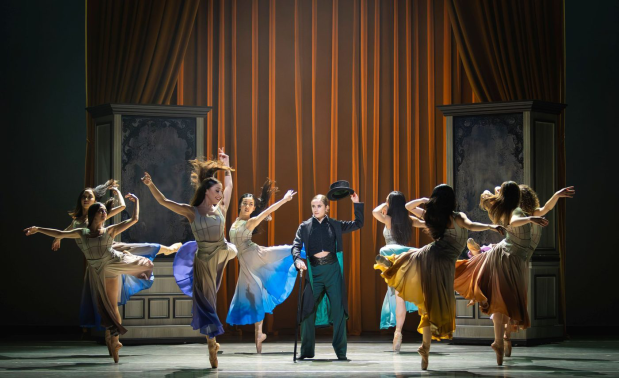
For dessert there was Christopher Bruce’s adorable Rooster, the first and perhaps the best of many ballets drawing on the juke box – in this case, early Rolling Stones hits. It’s a witty, sassy take on Mod culture, which isn’t afraid to reflect the songs’ subject-matter directly – Ruby Tuesday is a lonely waif, and the Little Red Rooster clucks and struts. With exuberant contributions from Acosta himself and members of Acosta Danza, it brought the house down – rightly so.
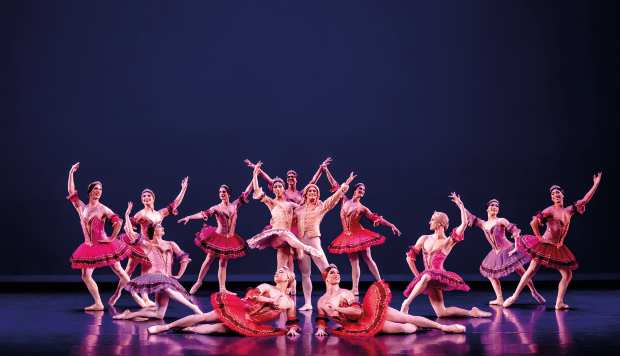
I could have lived without the fillers – a truncated version of The Nutcracker’s ‘Kingdom of Sweets’ scene, followed by the ludicrous Diana and Actaeon pas de deux and a turgid piece for quarrelling lovers, acted out by Acosta and Amisaday Naara. But the bookends were very rewarding.
Got something to add? Join the discussion and comment below.
You might disagree with half of it, but you’ll enjoy reading all of it. Try your first month for free, then just $2 a week for the remainder of your first year.