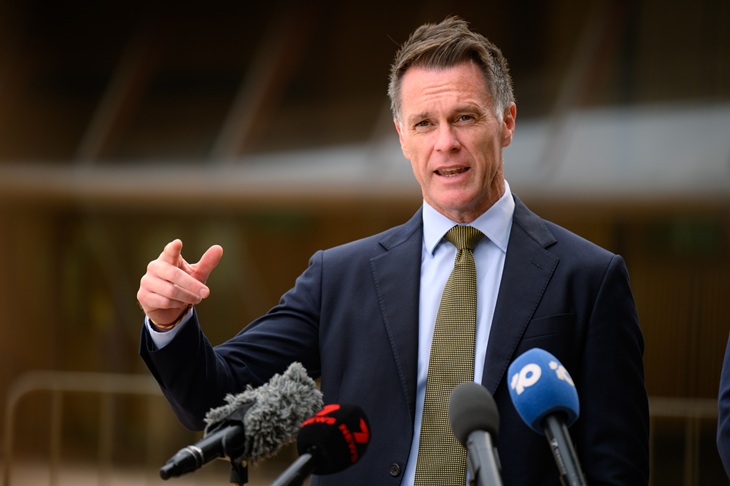
Chris Minns has plenty of reasons to feel secure right now. As a first-term Premier, he’s still ahead in the polls, personally popular (I’m not surprised – he seems like a nice bloke), and comfortable in front of the cameras. History is on his side as well – the last time a first-term NSW government was tossed out was way back in 1932. After Labor’s strong win in 2023, 2027 looked like it was his to lose.
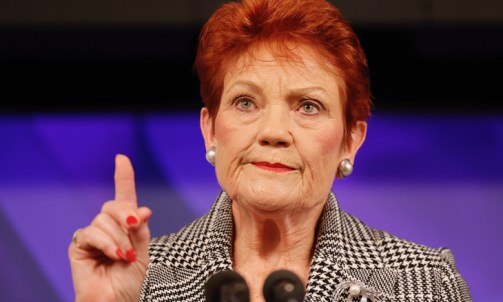
But One Nation’s solid win in the Farrer by-election should worry him. It was a reminder that even the safest-looking political assumptions can fall apart quickly once voters decide they’ve had enough.
Minns still talks a good game on the big issues – cost of living, keeping communities safe, and trying to steady the economy. But the measurable results are lagging badly.
Housing targets are falling well behind schedule, rents continue to place heavy pressure on young families, major infrastructure projects in Western Sydney and the regions are frequently running late and over budget, and community safety concerns remain persistently high in many suburbs and regional areas. This has created a growing sense that the early momentum of 2023 has slowed into a more cautious, day-to-day approach. Minns at times appears to think he has a decade, while many voters feel they haven’t got a week to spare.
That’s exactly why Kellie Sloane is starting to stand out after only six months as Opposition Leader. A first-term Liberal MP and former television journalist, she is campaigning with noticeable urgency and a level of energy that is rare this early in the cycle. As the mother of three teenage boys, she speaks about housing stress, school pressures and the everyday realities of family life, drawing on her own experience as a parent in a way that feels authentic and grounded.
Rather than staying grounded in her Sydney office, she’s on the road, door-knocking through the suburbs and regions. She’s already shaking things up, too – reworking her shadow team and appointing a Shadow Minister for Men, a move other states are now mimicking.
Her focus is on the basics: cost-of-living relief, housing that actually includes infrastructure, communal safety, and getting projects delivered on time. It’s a straightforward pitch, but it’s working because she’s making the ‘Australian dream’ – owning a home in a safe, functional community – feel like an achievable goal again rather than a distant memory.
She’s clearly not playing the long game for 2031. She wants the job in March 2027.
The by-election brought out deep worries about living costs, economic pressures, and the feeling that the major parties have drifted away from everyday concerns. One Nation winning a seat the Coalition had held since 1949 was striking. It proved that when frustration runs deep enough, history and safe seats can vanish almost overnight – and it proved that a first-term NSW government can be defeated for the first time since 1932.
That opens a real door for Sloane. If she can tap into that discontent and turn it into something broader, she has a genuine chance to attract voters who are ready for a change – even if the conservative side is still a bit split.
Ten months is a long time in politics, and Sloane won’t need a huge uniform swing across the state. Gains in the right western Sydney and regional seats, helped by some smart preference flows, could make a real difference. What’s noticeable this early is her communication skills and focus on family and community issues.
History and the polls still lean heavily toward Minns. But the Coalition losing Farrer after 77 straight years should be a wake-up call that things can shift faster than anyone expects when voters decide it’s time.
If the government keeps going at its current pace and Sloane maintains this intensity while fleshing out her policies, 2027 could turn into a much tighter and more unpredictable race than most people thought possible a few weeks ago.
Voters usually have a pretty good feel for who is genuinely listening to their concerns. Right now, Minns would be smart to keep a close eye on Kellie Sloane.
By Osher Feldman – Rabbi and Lawyer, NSW Australia, X @OsherFeldman