Anthony Albanese has discovered a favourite phrase: Australia needs to ‘turn down the temperature’.
It sounds statesmanlike. Reassuring, even. There is just one problem: the Prime Minister seems more enthusiastic about lowering the temperature when the heat is directed at him than when it comes from causes he has long championed. At least, in my opinion.
Apparently, the political thermostat has different settings depending on who holds the remote.
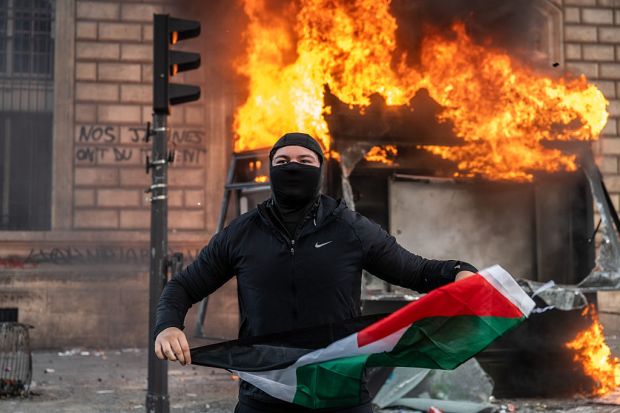
Albanese has proudly embraced protest politics, including the Palestinian cause. Yet as weekly pro-Palestinian demonstrations have become a fixture of Australian life, he faces a legitimate question: Does the government challenge intimidation and extremist rhetoric from movements the left sympathises with as forcefully as it condemns excesses among its opponents?
Peaceful protest is a democratic right. Threats, harassment, and the glorification of violence are not simply more passionate forms of protest. The same distinction applies to Islamist hate preachers promoting antisemitism and to far-left or far-right agitators who cross the line into unlawful intimidation.
The law should be blind to ideology. It should not matter which flag, slogan or political cause an offender claims as their own.
A moment that should unite us
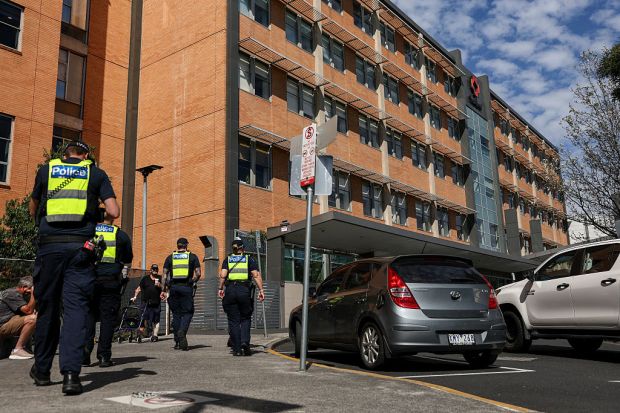
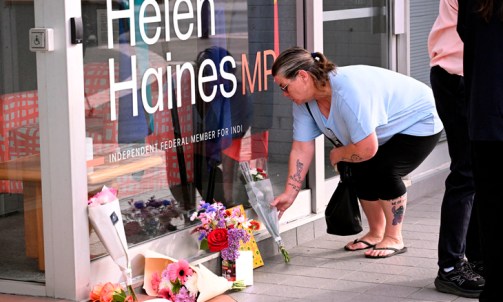
The reported attack on independent MP Helen Haines is a disturbing reminder of the vulnerability of people in public life. Accounts have alleged that she was struck by a vehicle outside her Wangaratta electorate office, with the accused arrested and charged.
An attack on a parliamentarian should attract compassion and an unequivocal demand for justice, whatever the victim’s politics. It is encouraging when people on the centre-right put disagreements aside to support someone with whom they may have little in common politically.
But would the same generosity be extended to a conservative MP? Or would some of the more extreme voices in political activism reach for mockery, rationalisation, or selective outrage?
Reports have also linked the accused to environmental activism and pro-Palestinian material online. Such associations establish neither guilt nor motive. What the attack does is invite a wider discussion about political hostility and whether leaders are willing to confront worrying behaviour among their own sympathisers.
Albanese’s renewed appeal for civility is therefore not enough. Civility cannot be a standard imposed on opponents and waived for allies.
Leadership is not a one-way lecture
Leadership requires self-reflection. It requires admitting that inflammatory rhetoric can come from one’s own political camp. And it requires condemning threats against a conservative with precisely the same conviction as threats against a Labor, Greens, or Independent representative.
When anyone responds to intimidation with ridicule or celebration because the target holds the ‘wrong’ opinions, that is not democratic argument. It is moral bankruptcy. I am not saying that this is the case here, only that it has happened with other events in the recent past.
The missing ingredient is consequence
For all the talk of lowering the temperature, one word is missing: consequence.
If an Islamist preacher incites violence, the law should respond. If a Marxist activist unlawfully threatens someone, the law should respond. If a far-right agitator does the same, the standard must be identical.
No ideological indulgences. No special treatment for fashionable causes.
Australians need confidence that police, prosecutors, and governments enforce the law impartially, rather than allowing political pressure to determine which conduct attracts scrutiny. Even the perception of selective enforcement damages trust. And distrust breeds the resentment that political leaders claim to want to reduce.
The horror of Bondi, threats against elected representatives, and allegations of attacks on MPs should not be conflated or assigned a common motive. They do, however, underline the importance of protecting citizens and public officials alike.
How many more tragedies or threats will it take before the government demonstrates that public safety matters more than the sensitivities of political movements?
It never ends with the Jews
To those who believed the hatred and intimidation of the past three years were merely a Jewish problem, history offers a warning: it never ends with the Jews.
Antisemitism is not simply an isolated prejudice. It can be a warning sign that the social rules protecting everyone are weakening.
What a society tolerates risks becoming normalised. What becomes normalised can enter the mainstream. Layer by layer, each outrage makes the next less shocking, until behaviour once considered unthinkable begins to seem ordinary.
Jewish Australians have warned about the danger of antisemitism masquerading as political activism. Those warnings deserve to be taken seriously not only because Jewish Australians are entitled to safety, but because the principles at stake protect every citizen.
When intimidation is excused as righteous protest, it does not remain confined to one community. A democracy that makes exceptions for hatred undermines the very freedoms it claims to defend.
Start with the Prime Minister
Albanese is right that Australia needs to turn down the temperature. But temperatures do not fall because a Prime Minister repeats a phrase at a press conference.
They fall when leaders hold allies and opponents to the same standards, when unlawful threats attract consequences, and when Australians can trust the law will be enforced without fear or favour.
If Albanese wants to lead, he could begin by acknowledging that his own political side is not immune from inflammatory rhetoric. He could challenge extremism in movements the Left sympathises with, rather than leaving the impression that civility is principally a duty for its opponents.
The Prime Minister does not need another speech about turning down the temperature. He needs to demonstrate that there are consequences for those who deliberately turn it up.
And perhaps, for once, he could lead by example.