Behind the ticket booth at Levens Hall, Cumbria, is an old black mulberry tree (Morus nigra) that vastly improves the visitor experience. The price to see the house and topiary garden is £15, yet I’m sure they could up this sum when the mulberries are in season and put the extra money towards some new lead flashing, or any number of small repairs I’m told big houses constantly require.
The Levens tree is a very old one and so the tourist, contentedly picking his way to forgetting about the inflated cost of the ticket, may also imagine himself picking in the company of ladies in straw bonnets and long-faced men in spats; old guests of Levens that were perhaps picking from the same tree countless Augusts before.
The history of the mulberry tree has something to do with a personal scheme of James I’s, which had everything to do with the finest length of leg in the country. The King, looking to increase his enjoyment of these legs (the Duke of Buckingham’s), furnished them in silk hose and so imported hundreds of Morus nigra from Spain. Though the silk enterprise failed, the offspring of James’s trees remain, which, given gentlemen no longer wear silk hose, is one of history’s happiest unintended consequences.
My earliest memories of mulberries are associated with fear. I was rather an officious child and therefore made a poor accomplice to my grandfather on scrumping expeditions, which were furtive, early morning affairs, undertaken when the rest of the village was still in bed. Even then, I knew that, if caught red-handed by the owner of the tree, loyalty to him would prevent any show of compunction and the thought of this terrified me.
Such scruples would not affect my enjoyment of breakfast however, which usually meant muesli, mulberries and cold milk. This is a fine way to enjoy the mulberry, for though they are excellent eaten off the tree, the addition of milk means they can be enjoyed in quantity, the tart potency of the fruit lessened. They also work well in a summer pudding, a favourite of my grandfather’s. While for most of the year he avoids the kitchen, come August, he may be seen lining pudding basins with white bread and gently poaching berries.
Now I’m older, and have lost those scruples that once made scrumping such awkward work, I’ve come to enjoy the picking as much as the eating. Indeed, I can think of nothing else that allows a swifter escape from modern life.
Through picking, one reverts to a gatherer state of mind. I have come across only one other activity that provides a similar experience. This is the wading through shallow water, stepping on the occasional flat fish. This delivers a similar form of mental escape – the shedding of one’s individuality – to the picking of mulberries. This feels like the sort of thing humans did before we could even talk to one another.
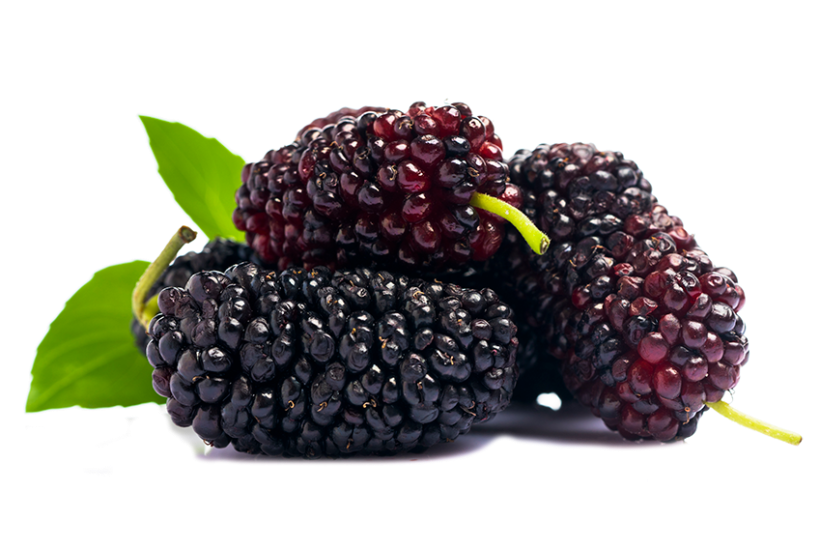
This retreat from the contemporary world by way of the mulberry makes perfect sense given this little fruit refuses to have anything to do with supermarkets. This is obvious as soon as you look at one. Compared with the prim raspberry, they are bristly and wild-looking; not the sort of fruit to stand the ignominy of the supermarket shelf. They insist on perishing before they get there. Unyielding, since the reign of James I, these trees, after all, are plentiful only on their own terms.
Got something to add? Join the discussion and comment below.
You might disagree with half of it, but you’ll enjoy reading all of it. Try your first month for free, then just $2 a week for the remainder of your first year.