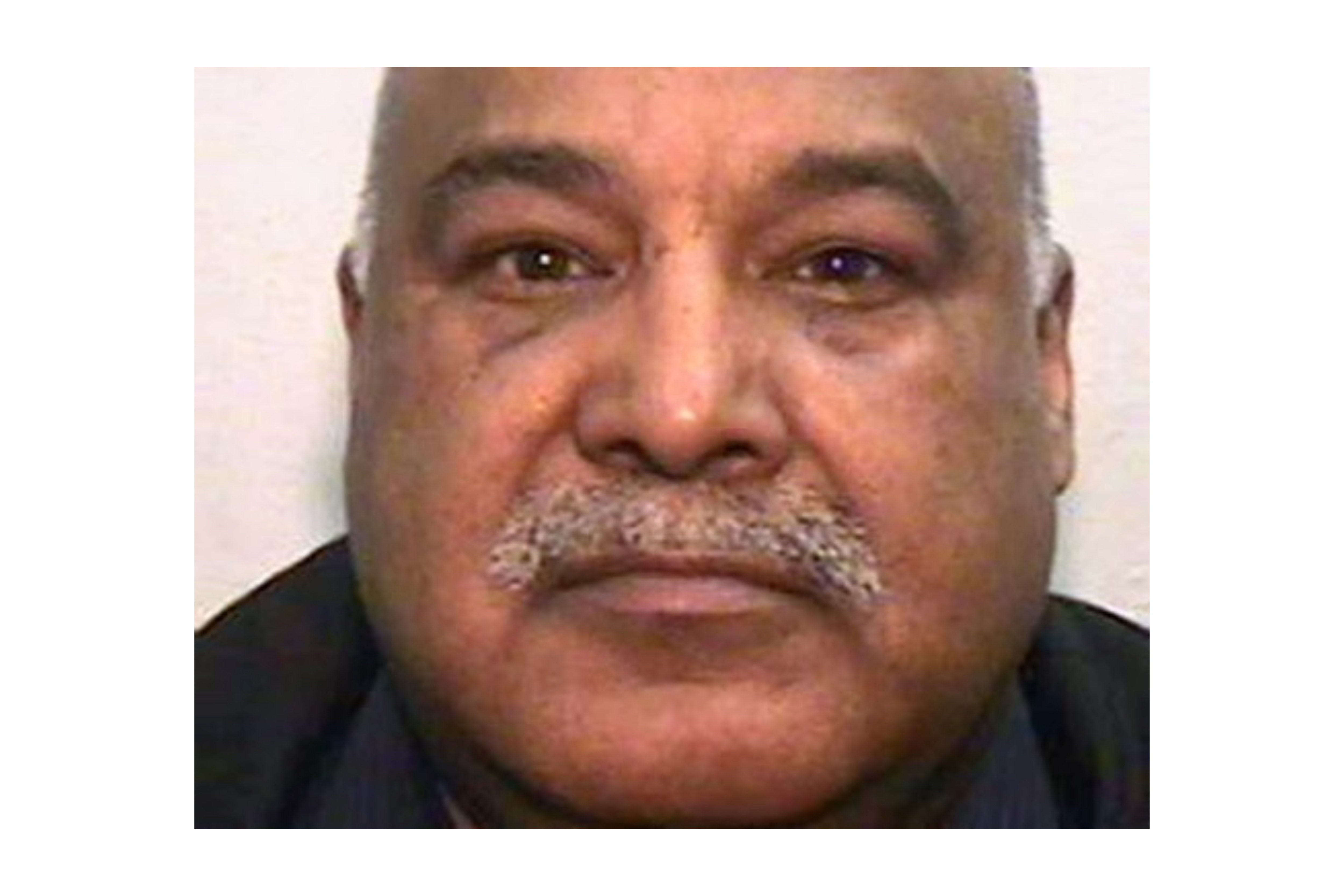
Shabir Ahmed, the leader of the Rochdale rape gang, is for now a free man, living in the UK, having served 14 years after being convicted of 30 child rape offences. Ahmed is a British citizen – he gave up his Pakistani citizenship. As the law stands, he can not be deported because of provisions in the Immigration Act 1971. The law states that because Ahmed arrived in the UK before 1973, and lived here for more than five years before his deportation was considered, he is immune from deportation.
This, naturally, has provoked great outrage, with Andy Burnham having said he wants the home and foreign secretaries to do everything they can in order to deport Ahmed. I understand that on Monday the Home Secretary is expected to announce changes to the law which will allow us to deport Shabir Ahmed and men like him. This is a very significant development, for while Labour aren’t using words like ‘denaturalising’, that is what they are doing – Ahmed’s British citizenship will be shown to be a paper fiction, and the state will seek to send him ‘home’ to a land he hasn’t lived in for over 60 years. We should welcome this shift from Labour – it is right and proper that those who abuse our hospitality face the removal of their acquired citizenship and return to where they came.
But this law change alone won’t be enough. We also have to persuade Pakistan to take Ahmed back, something they are currently unwilling to do because he gave up his Pakistani citizenship. But it seems the British government is trying to change that. Reporting in the Telegraph suggests that quiet negotiations are taking place between the UK and Pakistan. A ‘senior Pakistani government official’ has spoken anonymously to the Telegraph, stating that Britain needs to ‘respect the issues that matter’ to Pakistan, rather than ‘arm-twisting’. It seems that what matters to Pakistan is that we allow them to extradite ‘dissidents and political activists’ who are sheltering in Britain.
These include Shahzad Akbar, a former cabinet minister under Imran Khan, Adil Raja, a journalist and former military officer, and Altaf Hussain, the founder of the Muttahida Qaumi opposition movement. On the face of it these seem to be three genuine political refugees, and there are strong arguments against handing them over to Pakistan, or even entertaining such discussions.
The Pakistani official also said the UK has made ‘threats in private and in public’ to impose visa restrictions on Pakistan if they refuse to take Ahmed back. If true, this is excellent news. So much of our diplomacy and negotiation seems embarrassed about the very concept of national interest. But if our diplomats really are threatening to restrict visas for Pakistanis then they are taking these negotiations seriously, acting in the British interest and using one of the most powerful levers at our disposal.
A vast number of Pakistanis travel to the UK every year. In the year ending March 2026, the UK issued 60,899 visas to Pakistanis coming here to work, study or as dependents, and another 88,553 visitors visas. Between 2021 and 2025, 734,610 visas were issued to Pakistani nationals. Pakistan benefits financially too. According to the Oxford University Migration Observatory, £2.94 billion – almost 1 per cent of Pakistan’s GDP – was sent back to the country from the UK.
We should manage our foreign policy in Palmerstonian terms
Were we to credibly tell Pakistan that visa issuance will cease unless they agree to take back every Pakistani criminal we wish to deport, the reality is that they will accept this. That same Pakistani official may have said ‘arrogance is not acceptable to us. We do not believe in arm-twisting, and the policy of arm-twisting is not going to yield any result’, but the truth is that we hold all the cards. We could tax remittances, we could remove Pakistan International Airlines’ recently-granted landing rights in the UK. We may have to endure Pakistan denouncing us for ‘arrogance and a colonial mindset’, but if we are wise we will remember that we can just ignore what foreigners say about us.
I spoke to former British diplomat Ameer Kotecha. He said: ‘I’m pleased that we’re at least raising visas but it’s all too slow and timid. We should use all the many diplomatic levers at our disposal – from aid to visas – to force Pakistan to play ball. That is what diplomatic clout is for.’
Ameer is right. We should manage our foreign policy in Palmerstonian terms, recognising we have ‘no eternal allies, and we have no perpetual enemies. Our interests are eternal and perpetual, and those interests it is our duty to follow’. The duty of our government, and our diplomats, is to ensure that the ‘watchful eye and strong arm of England’ protects our own people.
Perhaps this hint of steel in our negotiations with Pakistan is a sign of hope. Perhaps soon Shabir Ahmed, and all the other Pakistani rape gang members, will soon be leaving England for the last time.