Edmund Phelps, the Nobel laureate for Economics in 2006, died this year aged 92 just as his breakthrough theory, which was vindicated during the high inflation of the 1970s and 1980s, assumed relevance again.
In 1967, the US-born Phelps published research about the role expectations played in entrenching inflation via a wages-price spiral. Phelps warned that if workers expected higher inflation, they would demand pay increases to compensate. If companies succumbed to this pressure and raised their prices, inflation would become embedded via this vicious cycle.
The world is nearing another Phelps cycle because inflation in advanced countries has sped to its highest in a generation outside of the pandemic.
Australian inflation stood at 4.0 per cent in the 12 months to May, to notch five years outside the Reserve Bank of Australia’s two-to-three-per-cent target apart from early in 2025. US inflation is at 3.5 per cent and has been above the Federal Reserve’s target of 2 per cent for five years. Japan’s inflation is 1.5 per cent, while the eurozone’s has hit 3.2 per cent. The IMF expects global inflation to reach 4.7 per cent this year.
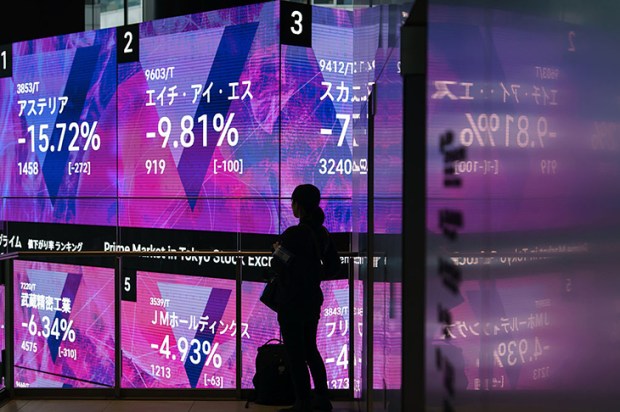
These higher inflation readings have boosted bonds yields including those of Australia and the US to around their highest since 2007, while Japanese bellwether yields are at 30-year highs.
Two announcements on June 25 explain one major source of today’s inflationary surge. On that day, Microsoft raised XBOX console prices and Apple boosted the prices of MacBook, iPad and other models by as much as 25 per cent due to steeper input costs.
What inputs might be rising in price? Memory and storage chips. By how much? About 300 per cent over the past year. The reason? The boom surrounding artificial intelligence has sparked a rush to build data centres that has unleashed a scramble for these tech components.
Chip manufacturers are prioritising the production of the leading-edge chips that are needed in data centres because they’re more profitable than those used in consumer electronics. Fewer consumer-grade chips mean the integrated circuits used in everyday devices have become more expensive.
AI boosters say the technology promises productivity gains that will cool the inflation it’s stirring. Perhaps. In the meantime, consumer prices for computer software and accessories in the US are rising at a 17-per-cent clip, while wholesale prices for electronic components are surging at nearly double that pace.
AI-related price pressures extend beyond chips. The cost of power needed to operate data centres is rising, as are the wages of specialist contractors. Goldman Sachs expects AI demand to boost US electricity prices by 6 per cent per annum in coming years.
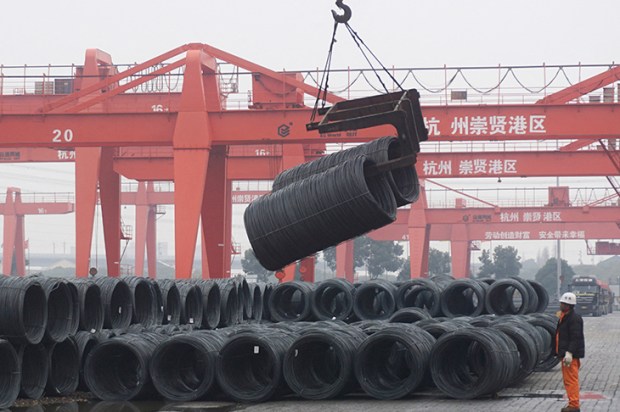
The other causes of the recent acceleration in inflation can be traced back to consequential decisions taken by Donald Trump in his second term: imposing the highest tariffs since the 1930s, waging war against Iran and combating illegal immigration.
With the tariffs, 90 per cent of the cost is falling on US consumers and firms (not foreigners) and nearly 50 per cent of these US companies still haven’t passed the cost of tariffs onto their customers, according to the Federal Reserve Bank of New York. Due to the unresolved Iran war, businesses everywhere have raised prices after interruptions to shipping through the Strait of Hormuz increased commodity prices, especially oil, and led to shortages of essential items including fertilisers needed for crops. Mass deportations from the US are causing labour shortages, especially on farms, leading to higher wages and higher food prices.
While many of these inflation triggers might be classed as one-off boosts to prices, surveys show consumer inflation expectations have risen. Australian household inflation expectations have surged to around 5.5 per cent, the highest since 2022-23. US household inflation expectations show a similar pattern.
What’s interesting is expected inflation didn’t exceed inflation readings during the pandemic when US inflation peaked at 9.1 per cent and Australian inflation reached 7.9 per cent in 2022. Analysts think inflation expectations have unmoored because people are experiencing their second inflation shock in so little time after the first. The risk is a wages-price spiral, especially since unemployment rates show economies are at full employment.
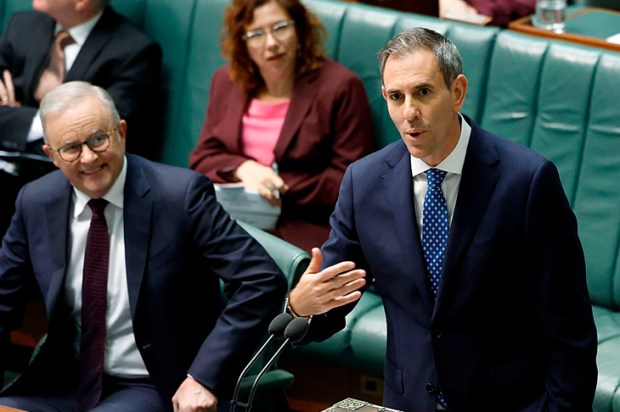
The question for central banks is whether to raise rates to smother the break-out in inflation. The choice they face is essentially whether to risk triggering a downturn to regain control of inflation and thus maintain their inflation-fighting credentials. Investors expect the major central banks to raise rates in coming months – the RBA this year has already conducted three hikes that are straining the economy and the housing market.
Central bankers are pondering this inflation-growth trade-off as three other events are magnifying risks.
One is that Trump is threatening the Fed’s ability to set interest rates free from political interference. Bloomberg News reports the Trump administration is exploring ways to insert Trump picks onto the Fed’s board of governors to rig the process of how the Fed sets monetary policy. US bond yields will jump if investors think a Trump-compliant Fed would lower the US cash rates when it should be raised.
The second is the Bank of Japan might lift its key rate from a 31-year high of 1 per cent to support a yen that has fallen below 160 to the US dollar, the level the BoJ considers a tipping point for intervention. Higher Japanese yields would attract Japanese capital home and could destabilise global asset markets.
The third is governments are swelling their debt burdens by running fiscal deficits. That adds to demand-driven inflationary forces, incentivises governments to allow higher inflation to erode the real value of their debts and puts more upward pressure on bond yields.
The trouble is that higher interest rates are poison to a world stifled by record business, consumer and government debt. Such are the dangers posed by higher inflation in an indebted world.
To be sure, wages reports show few signs of a wages-prices spiral. But it’s wages lagging inflation like Australia’s have that builds industrial and political pressure for wages breakouts. For sure, any economic slump would curb inflationary pressures and one can’t be ruled out. But it’s little comfort if faster inflation gives way to a downturn. It must be said too that inflation in the mid-single digits is hardly catastrophic.
But in today’s indebted world even a modest Phelps-style vicious cycle would be lethal.
Got something to add? Join the discussion and comment below.
You might disagree with half of it, but you’ll enjoy reading all of it. Try your first month for free, then just $2 a week for the remainder of your first year.