Where could the government possibly find the money to fund its defence investment plan (DIP)? That question has been the major factor behind the extraordinary delay in publishing it – and we now seem to have an answer, if not the plan itself.
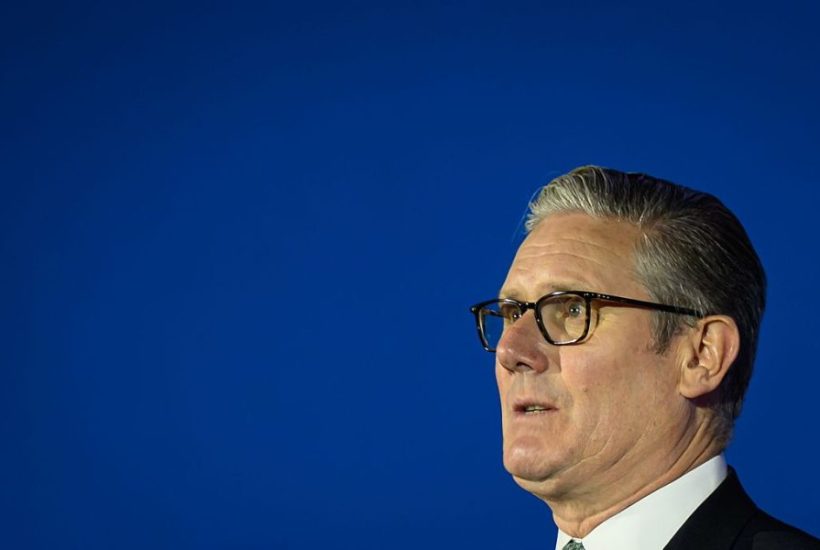
That answer is precisely the kind of thing that Keir Starmer and his Labour comrades would have railed against when in opposition: cutting capital spending. Around £6 billion-worth of projects are reportedly due for the chop in order to fund the DIP. That’s potentially hospital rebuilding projects, transport infrastructure and housing improvements delayed or abandoned. It’s the kind of short-termist, ‘sticking plaster’ approach to politics that Starmer pontificated about when he didn’t have to contemplate real trade-offs as leader of the opposition.
Starmer cannot afford that kind of rage from MPs at the moment
The trouble is that defence spending vs capital spending is very much not the only trade-off possible here, as George Robertson tried to point out recently. His speech warning that ‘we cannot defend Britain with an ever-expanding welfare budget’ was designed to remind Starmer and co. of the importance of defence spending as a priority. They have agreed with that, but seem to have concluded that they cannot defend their own positions by cutting the ever-expanding welfare budget. Other spending pots need to be raided instead.
The appeal of going for capital spending rather than day-to-day welfare is that it doesn’t involve taking something that already exists away. Hospitals that are crumbling, with floors closed or outdated equipment, will just have to wait longer, probably to the increased frustration of their local MPs. But taking money away from a group of benefit claimants will enrage a much larger section of the parliamentary Labour party, which made its disgust with Robertson’s comments very clear.
Starmer cannot afford that kind of rage at the moment, when he is merely focused on ‘legacy’ announcements to buy time. He would have mocked a leader who failed to take responsibility in this way, but then he clearly assumed that he would do a better job of managing his party.