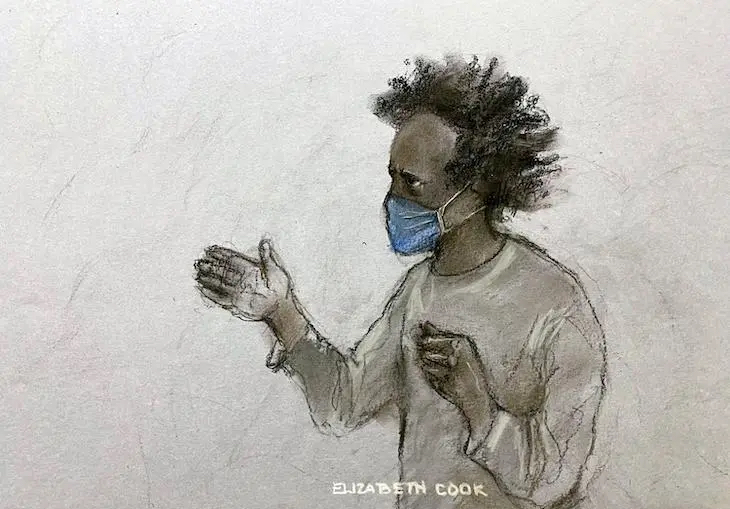
The official report into the Southport attacks — in which 17-year old Axel Rudakubana murdered three girls at a Taylor Swift themed dance class in July 2024 — paints a damning picture of multiple serious failings by government agencies. Sir Adrian Fulford, the high court judge overseeing the public inquiry, said the attack could have been prevented if officials had not dismissed Rudakubana’s increasingly erratic and violent behaviour as symptoms of his autism. Officials used his autism diagnosis to excuse his behaviour and failed to recognise that this condition heightened, rather than lessened, the risk he posed. Those the judge found to have failed in their duty to protect the public amounts to a roll call of public agencies, including two police forces, two NHS mental health services and the local council’s family and social care services. Those involved should hang their heads in shame.
Sir Adrian was unsparing. He said ‘clearly, repeated and unambiguously signposted’ warnings about Rudakubana’s violence over many years went unheeded; the killer had been known to a range of state authorities since 2019. Instead of taking responsibility for Rudakubana’s case, one agency after another passed him around on a ‘merry-go-round’ of referrals and assessments that culminated in the murder of Bebe King, six, Elsie Dot Stancombe, seven, and Alice da Silva Aguiar, nine. In the judge’s words, the officials responsible did not act with the ‘cohesion, urgency or clarity required’, and did not adequately share information with each other. On more than one occasion officials who came into contact with Rudakubana expressed a fear that he would go on to ‘harm and kill’ – yet no effective action was taken. The 260-page report outlines in comprehensive – and depressing – detail a catalogue of missed opportunities and systems of protection that were found wanting.
Others do not escape blame. The judge said the attack ‘would not have occurred’ if the killer’s parents had ‘done what they morally ought to have done’, and flagged concerns about his increasingly violent behaviour. He said that Rudakubana’s mother and father obstructed officials, were ‘too ready’ to excuse their son’s actions and failed to stand up to his behaviour or set any boundaries. Sir Adrian said they knew, at least a week before the attack, that their son had amassed a small arsenal of ‘deadly weapons’ in his bedroom, and that he was planning an attack on his old school. They did nothing, and the consequences turned out to be catastrophic.
Before the publication of the report, Sir Keir Starmer promised to act on the inquiry’s recommendations. The Prime Minister added: ‘There does have to be accountability, there should always be accountability.’ Let’s see what that promise amounts to. Shabana Mahmood, the home secretary, said the report showed a ‘systematic failure of the state’, and that the government was ‘determined to learn the lessons identified by the inquiry and take the necessary action to reduce the risk of such an attack happening again’. How often have we heard such promises from senior ministers after some damning official report into a tragedy?
Sir Adrian has made 67 recommendations, including for the appointment of a single agency to monitor and co-ordinate interventions for children who present a high risk of serious harm. He said that the present child protection system is imperfectly designed and there was a ‘wholesale failure’ to oversee and prevent Rudakubana’s online activities. The killer had been referred to Prevent, the Home Office’s counterterrorism scheme, three times in all, yet in each instance his case was dismissed.
The second phase of the inquiry is to report in spring next year. Plenty of questions remain unanswered at this stage, in particular the question of organisational and individual accountability in the case of those who failed in their duties. What will be done about the culture of government agencies that prioritises the protection of their own reputations above their duty to the public? Does anyone involved seriously reflect on their conduct and failures rather than simply seek to avoid blame and consequences? This report makes abundantly clear that this culture must change. The tragedy of Southport demands nothing less.