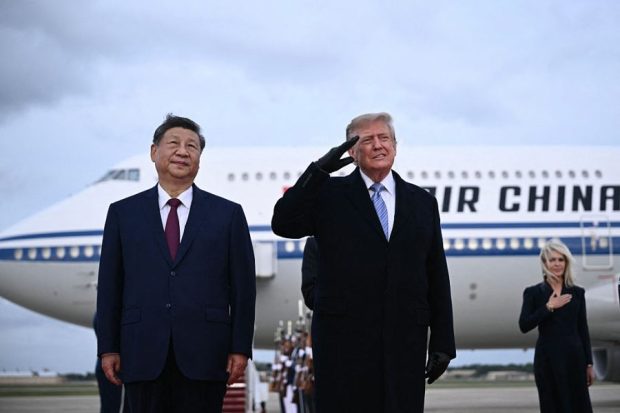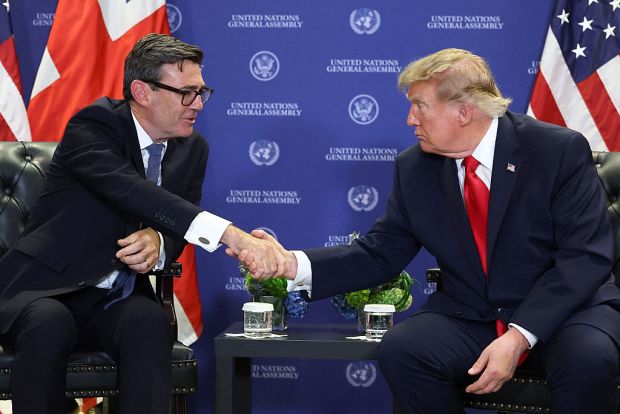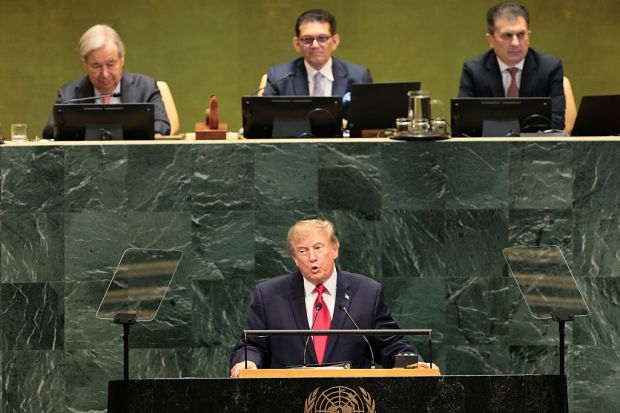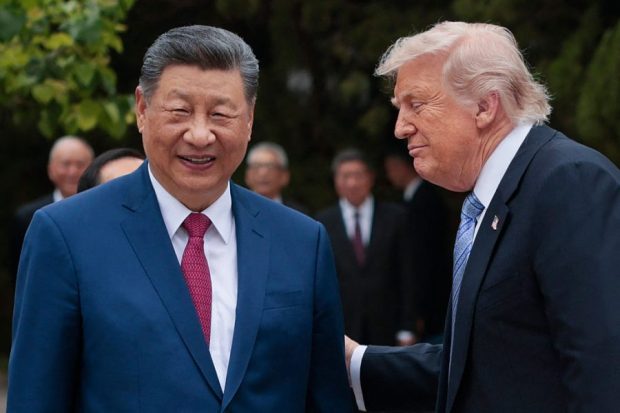
“I can’t imagine that there’s any profession that is more dangerous,” Donald Trump told reporters just hours after the shooting incident at the annual White House Correspondents’ Association Dinner in Washington DC. This is true enough. Violence against US presidents is, unfortunately, nothing new. Everyone knows this long and bloody history all too well. It includes the killing of John F Kennedy in Dallas in 1963; the two assassination attempts within days of each other on President Gerald Ford in 1975; and the attempt on Ronald Reagan’s life, when he was shot and seriously wounded at the Washington Hilton hotel – the same venue at which Saturday’s attempted shooting took place – in 1981. Even so, Trump stands out for the growing number of attempts on his life.
No American leader in modern history has been as polarising: hated and adored in equal measure
There was the assassination attempt in Butler, Pennsylvania, in July, 2024, when a bullet grazed his ear. Trump was rushed off stage to his motorcade, with blood on his right ear and across his cheek. He pumped his fist and shouted “Fight!” to the crowd before being taken to safety.
A second incident took place just weeks later, in September 2024, at Trump’s golf course at West Palm Beach in Florida. Law enforcement officials found a rifle and other equipment in the foliage near the course. Ryan Wesley Routh was sentenced to life imprisonment for attempted assassination. In February this year, the Secret Service shot and killed Austin Tucker Martin, an armed man who breached the security perimeter at Trump’s Mar-a-Lago resort in Palm Beach, Florida. Trump and his wife Melania were in Washington at the time.
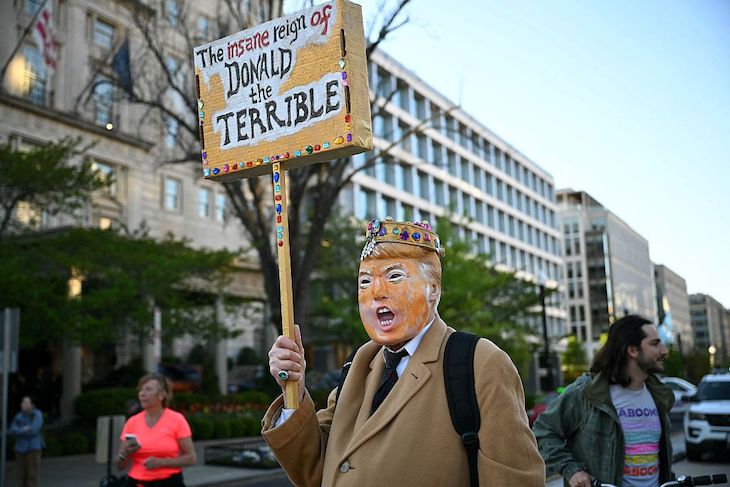
Political violence in America is on the up but the targeting of Trump tells its own tale. No American leader in modern history has been as polarising: hated and adored in equal measure. Trump has contributed to this state of affairs by using insult, threats and contempt as a weapon in his daily rhetoric. His political opponents are right to suggest he has degraded and coarsened public discourse, and to call him out on his frequent derogatory remarks aimed at anyone who dares to oppose him. But what they fail to acknowledge is that the disgust and outrage they aim at him, the hyperbole they use when criticising his motives and actions, is a problem in itself and does nothing to help calm matters at this politically volatile time.
If anything, many of Trump’s critics are guilty of lashing out at him in terms as extreme as anything he might say about them. Civility, compassion and tolerance (a set of virtues high on the agenda of many Trump opponents) are values that cannot and must not be applied in dealings with the president. Many public figures, including political opponents as well as celebrities and film stars, appear to get off on calling Trump a fascist, the most dangerous person in the country, and so forth, basically arguing that “something must be done” before he trashes basic rights and freedoms.
I am no supporter of Trump and what he stands for politically – but do his critics ever wonder about their own heated rhetoric and the dangers of making Trump out to be evil personified? Might they, just possibly, be part of the wider problem, whereby far too many political disagreements between people in opposite camps end up carry menacing undertones?
I am not for a moment suggesting that Trump’s critics bear responsibility for the growing violence directed at him, including this latest attempt on his life. That would be absurd and wrong. But there is a case for saying that their own “Trump derangement syndrome” is doing little to lower the political temperature. This forms the ugly backdrop to a wider picture of growing political violence in America. There was the killing in Utah last year of Charlie Kirk, a conservative activist and commentator. A few months earlier, Minnesota State representative Melissa Hortman and her husband, Mark, were shot and killed. In 2022, the former House speaker Nancy Pelosi’s husband Paul was attacked with a hammer and hospitalised with a fractured skull. It is high time for Trump critics and supporters alike to lower the dial. The latest attempt on the president’s life demonstrates all too clearly the real world consequences of these ugly divisions.