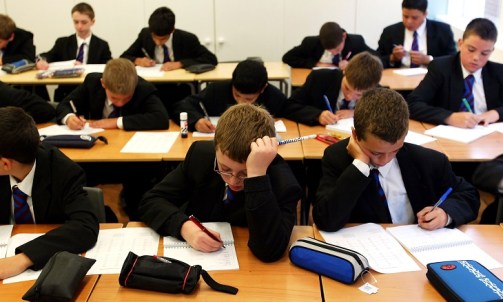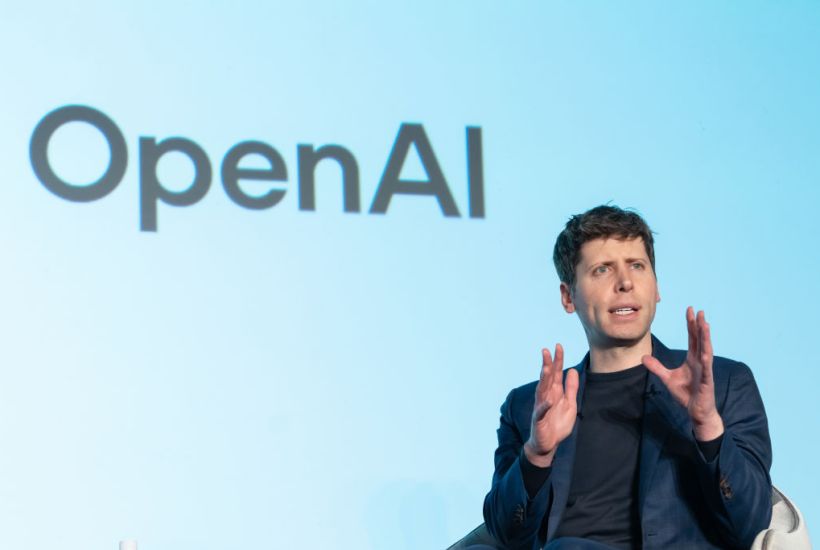
Sam Altman has always been a charmer. At school he revelled in the art of persuasion, joining a school debate team and taking part in national tournaments. After charming his teachers, Altman graduated into charming investors, launching a startup at just 19 before working his way up to become president of Silicon Valley’s premier startup incubator, Y Combinator.
Few startups in history have burned through cash as fast as OpenAI, which last year managed to spend more on marketing and employee share options alone than it made in overall sales
When he later joined OpenAI, the creator of ChatGPT, his charm was key to recruiting a team of some of the brightest coders and scientists in the world. But for some who worked close to him, the charm started to rub off: they realised he was very good at telling them what they wanted to hear.
Two years ago, these observations came to a head. OpenAI’s board grew frustrated with Altman’s behaviour. They accused him of saying one thing to some staff and the complete opposite to others. This culminated in Altman’s sudden, and extremely public, sacking by OpenAI’s board, a move which rocked the AI world.
It seemed Alman’s time at OpenAI was over. But then he summoned his magic charm. A few hours of negotiations with the board – and the firm’s lead investor, Microsoft – and miraculously, within days Altman found himself back at the helm of the organisation. And in a cruel twist of fate, several of the board members who wanted him sacked found that they themselves had been pushed out.
But even Altman’s charm can only go some way to rescuing his fortunes. Thanks to bombshell revelations by the Wall Street Journal, we have discovered that OpenAI has fallen well short of its own internal targets for revenues and user numbers. For a company that built a reputation on growing at breakneck speed, failing to meet even its own growth expectations marks a dramatic change of fortunes.
Investor sentiment towards OpenAI is gradually unravelling, with shares in chipmaker Nvidia and AI infrastructure firm CoreWeave down sharply on Tuesday amid questions over whether it will have the need – or indeed the resources – to continue to buy chips and open data centres if its growth stalls.
OpenAI is still massively lossmaking. That’s to be expected for any tech startup of its age and its level of ambition. Nonetheless, few startups in history have burned through cash as fast as OpenAI, which last year managed to spend more on marketing and employee share options alone than it made in overall sales.
The company is still hugely reliant on the magnanimity of its investors to continue growing. Such are the massive levels of compute needed to run its large language models, and the eyewatering data centre and energy costs involved, reaching breakeven point is several years, and several tens of billions of dollars, away.
The company has been drumming up support for a New York IPO before the end of next year that it hopes could value it at around $1 trillion, putting it among the ranks of the world’s most valuable tech companies. But joining the public markets within months is increasingly seen less as a symbol of its success than a race to secure funds to keep the show on the road before bank balances dry up.
Aside from missing targets, investors have become more conscious of the steady months-long trickle of senior, talented members of OpenAI heading for the door. Some have eyed opportunities elsewhere and jumped ship. Others have been vocal that they want to be anywhere Altman is not.
OpenAI’s latest model releases have also started to lose their wow-factor and rivals like Anthropic are stealing the limelight with impressive alternatives. The firm appears to be scrambling to find ways to cut costs, abandoning a multi-billion dollar data centre deal in the UK and shutting its power-hungry AI video app Sora.
On top of all that, Altman now finds himself in court up against Elon Musk, the world’s richest man and an early backer of OpenAI, who has accused it of having reneged on its commitments to being a not-for-profit AI research organisation. Altman even faces a lawsuit from his own sister over his alleged abuse towards her as a child, allegations he strongly denies.
As Altman gears up for his IPO investor roadshow, he will no doubt reach for his usual charm to convince the market that the targets missed, the cost-cutting, the lawsuits and the loss of ground to rivals are just bumps in the road to becoming a trillion-dollar business. But amid all the mounting evidence around him, that charm may not be enough.