Conversion practices are in the news again, at least if you listen to the BBC. We woke up to the Today programme on Friday recounting appalling stories of Electric Shock Aversion Therapy (ESAT) from years past. Further instalments were delivered on the corporation’s Six O’Clock News.
Gay and lesbian people were subjected to those horrors in a futile attempt to change their sexual orientation. Outrageously, this happened within the beloved NHS. Following a BBC investigation, the government will now investigate the historical use of ESAT in NHS hospitals. Good, but this horse has already bolted. ESAT is not supported by professional bodies, and it is no longer used by NHS clinicians. Were any quacks to use it elsewhere, they would be wide open to accusations of abuse.
Emotional accounts are being conflated with so-called conversion practices in the modern era
Campaigners, however, have more in their sights than bringing doctors to account for historical abuse. The BBC investigated the period between 1965 and 1973. That was a long time ago. A consultant then in their 40s will now be well into their 90s.
But these emotional accounts are being conflated with so-called conversion practices in the modern era. Worse, it’s not even clear what processes are being referred to. Let’s consider, for example, a hypothetical married man in his 30s who is struggling with his sexuality. He wants to remain faithful to his wife, but he struggles with feelings of attraction to other men. He seeks help from a counsellor. Would that be a conversion practice?
Or a girl in her early teens struggling with the prospect of becoming a woman. Online influencers tell her that she is really a boy trapped in a girl’s body. Her parents seek help for her, not to pump her full of drugs and cut off healthy body tissue, but to help her come to terms with the reality of her sex. What about that?
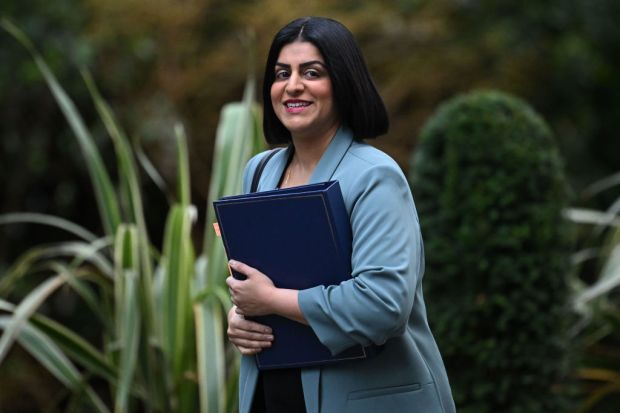
Worryingly, a government minister seems blind to both the conflation of different treatments, and the fuzziness of the terminology. Minister for Equalities Olivia Bailey said:
‘My thoughts are with those who suffered from this inhumane practice. The bottom line is that conversion practices are abuse – such acts have no place in society and must be stopped. That is why this government is committed to bringing forward a full, trans-inclusive ban on conversion practices, as set out in our King’s Speech. All people deserve to live freely and without fear, shame or discrimination, and as a member of the LGBT+ community myself, I will work tirelessly to ensure that is the case.’
Well, as another member of the LGBT+ community, I am more concerned that this proposed conversion practices bill will stop us getting the help we need. Particularly vulnerable are those young people who have been led to believe that they are trans.
This debate seems to be remarkably one-sided. If campaigners have their way, would a church leader who tries to help a young parishioner come to terms with their gender be at risk of breaking the law? What about those who first put it into her head that she might be in the wrong body: could they be at risk of prosecution for trying to change her gender identity from cisgender to transgender?
If anything resembles a modern-day conversion practice horror, it is what happened at GIDS – the Portman and Tavistock’s paediatric gender clinic. Healthy children were given puberty blockers – and cross-sex hormones – in an attempt to change girls into boys, and vice-versa.
Back in 2019, former clinicians at GIDS believed that many potentially gay children were being sent down the pathway. Speaking to the Times, two said that there was a dark joke among staff that ‘there would be no gay people left’.
‘It feels like conversion therapy for gay children,’ one male clinician said. ‘I frequently had cases where people started identifying as trans after months of horrendous bullying for being gay.’
GIDS has now closed, but we face the prospect of yet more children being experimented on by NHS doctors. Researchers at King’s College London have secured £10.7 million – and ethical approval – to administer puberty blockers on up to 250 more children, some as young as ten. Those who may otherwise have grown up, perhaps to become healthy gay and lesbian adults, could instead face a more uncertain future.
The transgender lobby cannot have this both ways. If conversion practices are to be banned, what about that drug trial? The truth is that puberty blockers don’t do what campaigners would like them to do. GIDS’ own early intervention study – published in 2021 – ‘identified no changes in psychological function, quality of life or degree of gender dysphoria’. The new research might better evidence that they don’t work, but at what cost?
Yes, we should sympathise with those – now elderly people – who were subjected to abuses in the 1960s and 1970s. But government ministers should also be concerned about the children of today. We can’t change the past, but we can certainly avoid making the same mistakes today where futile medical experiments are concerned.