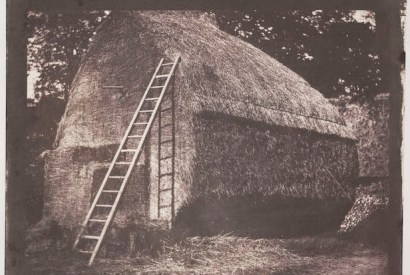
Is it art or science?
William Henry Fox Talbot had many accomplishments. He was Liberal MP for Chippenham; at Cambridge he won a prize for…
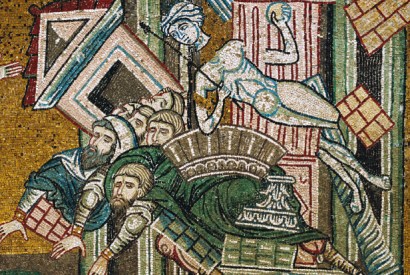
The rise and fall of Sicily
There are lessons to be learned from the disintegration of this once majestic multicultural Norman kingdom, says Martin Gayford
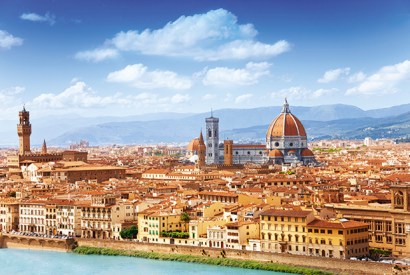
Florence
Once, it seems, Sandro Botticelli played a trick on a neighbour. Next door was a weaver who possessed eight looms.…
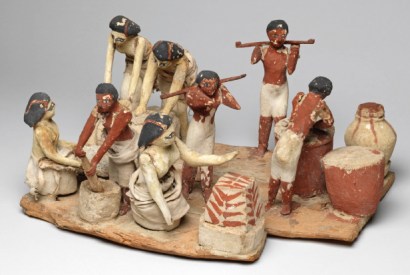
Old masters
The Fitzwilliam Museum is marking its bicentenary with an exhibition that takes its title from Agatha Christie: Death on the…
The counterfeiters
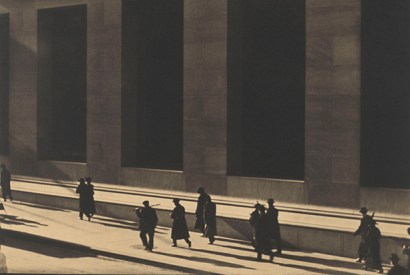
One day, in the autumn of 1960, a young Frenchman launched himself off a garden wall in a suburban street…
Repeat prescription
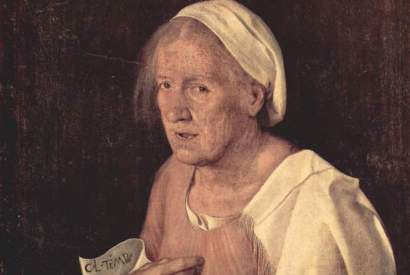
Walter Sickert was once shown a room full of paintings by a proud collector, who had purchased them on the…
Paranormal activity
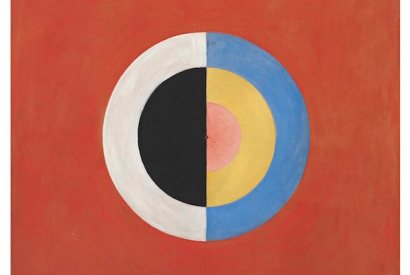
In 1896, a group of five young Swedish women artists began to meet regularly in order to access mystical zones…
Hellzapoppin’
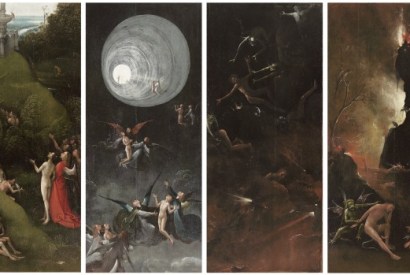
The 20th-century painter who called himself Balthus once proposed that a monograph about him should begin with the words ‘Balthus…
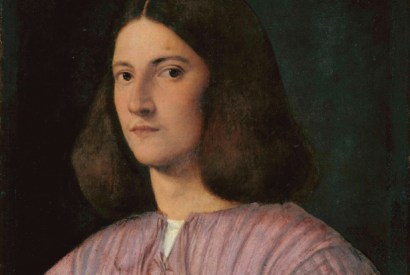
Whodunnit?
Question-marks over attribution are at the heart of a forthcoming Giorgione exhibition. Martin Gayford sifts through the evidence
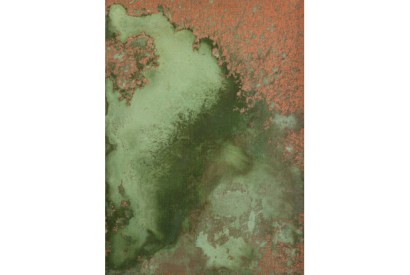
‘So quick and chancy’
When asked the question ‘What is art?’, Andy Warhol gave a characteristically flip answer (‘Isn’t that a guy’s name?’). On…
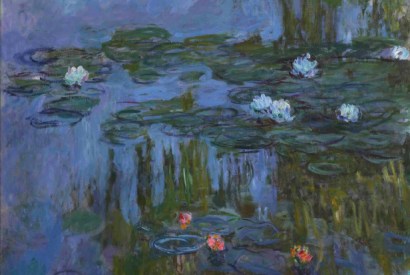
Show me the Monet
Philip Larkin once remarked that Art Tatum, a jazz musician given to ornate, multi-noted flourishes on the keyboard, reminded him…
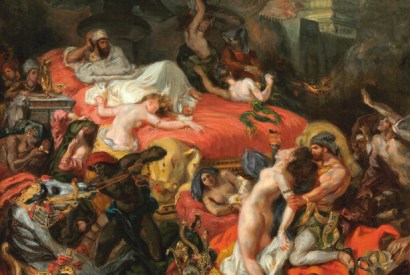
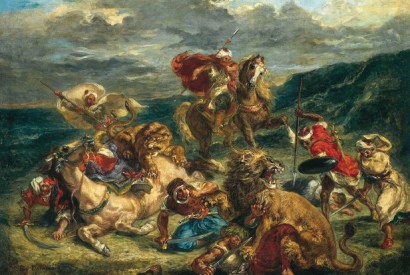
Wild at heart
Delacroix’s frigid self-control concealed an emotional volcano. Martin Gayford explores the paradoxes that define the apostle of modernism
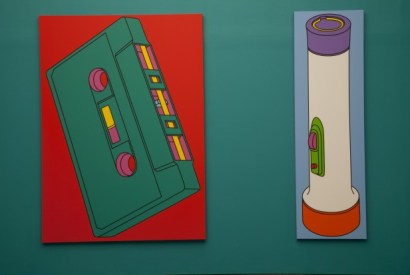
Disciple of Duchamp
Michael Craig-Martin has had a paradoxical career. He is, I think, a disciple of Marcel Duchamp. But the latter famously…
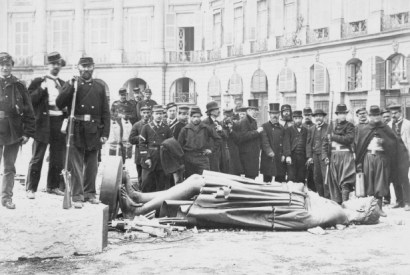
Moving statues
Sculptural topplings provide an index of changing times, says Martin Gayford
Best in show
Martin Gayford recommends the exhibitions to see — and to avoid — over the coming year
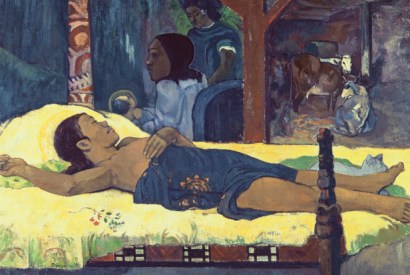
Why would a dissolute rebel like Paul Gauguin paint a nativity?
Martin Gayford investigates how this splendid Tahitian Madonna came about and why religion was ever-present in Gauguin's art
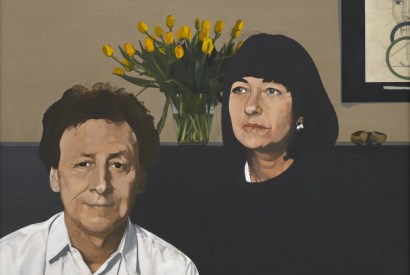
In a class of their own
Painters and sculptors are highly averse to being labelled. So much so that it seems fairly certain that, if asked,…
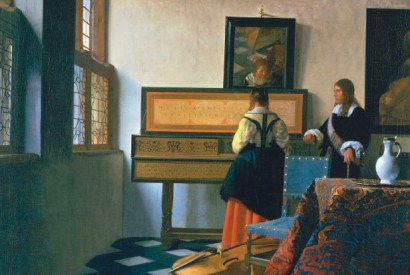
Artistic taste is inversely proportional to political nous
‘Wherever the British settle, wherever they colonize,’ observed the painter Benjamin Robert Haydon, ‘they carry and will ever carry trial…
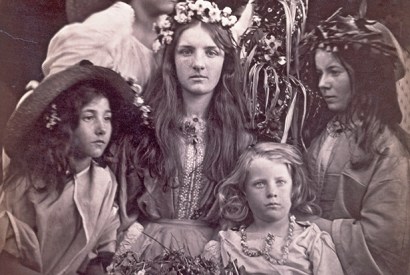
Artificial life
Ruskin dismissed Julia Margaret Cameron’s photographs as untrue. But, argues Martin Gayford, the same could be said of any picture
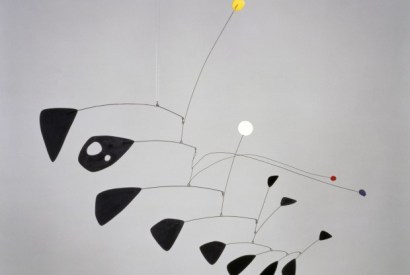
The man who made abstract art fly
One day, in October 1930, Alexander Calder visited the great abstract painter Piet Mondrian in his apartment in Paris. The…
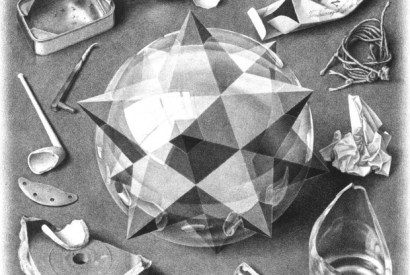
M.C. Escher: limited, repetitive, but he deserves a place in art history
‘Surely,’ mused the Dutch artist M.C. Escher, ‘it is a bit absurd to draw a few lines and then claim:…
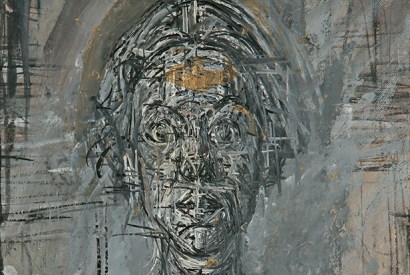
Repetitive but compelling: Giacometti at the National Portrait Gallery reviewed
One day in 1938 Alberto Giacometti saw a marvellous sight on his bedroom ceiling. It was ‘a thread like a…
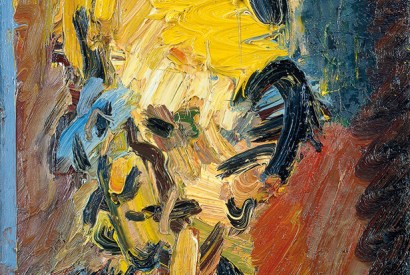
With this Tate Britain exhibition, Frank Auerbach joins the masters
No sooner had I stepped into the private view of Frank Auerbach’s exhibition at Tate Britain than I bumped into…
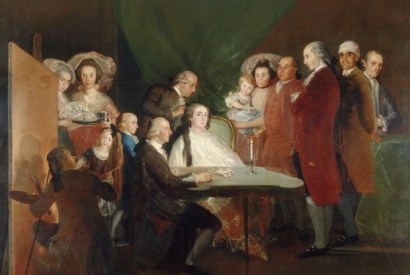
Why did Goya’s sitters put up with his brutal honesty?
Sometimes, contrary to a widespread suspicion, critics do get it right. On 17 August, 1798 an anonymous contributor to the…
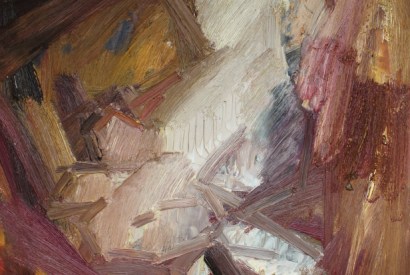
Now you see it, now you don’t
The artist, according to Walter Sickert, ‘is he who can take a piece of flint and wring out of it…