The party the establishment loves to mock is now leading among Australian women and topping the polls in Labor’s heartland. Something fundamental has changed.
There is a political earthquake rumbling beneath the feet of Australia’s progressive establishment, and it is showing up in the last places they ever expected.
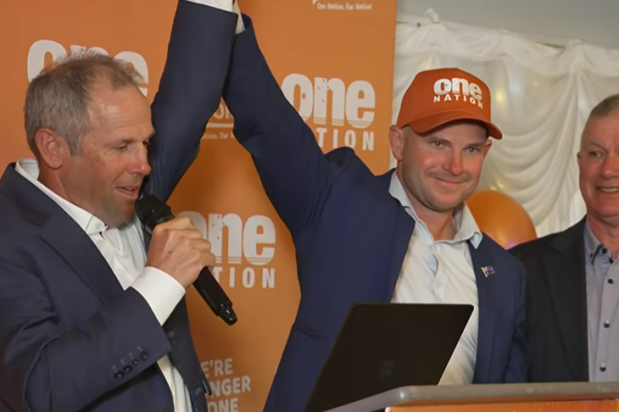
New polling from Capital Brief/DemosAU, conducted between February 16 and 20, shows One Nation at 28 per cent nationally, one point behind Labor and well ahead of the Coalition at 21 per cent. But it is the demographic breakdown that has drawn the most attention.
Among Australian women, One Nation is now the single most popular party, polling at 29 per cent, ahead of Labor on 27 per cent and the Coalition on 21 per cent. That is a finding that sits awkwardly with the longstanding assumption, repeated so often it became received wisdom, that One Nation is primarily a vehicle for the grievances of older men in regional areas. The data no longer supports that assumption.
One Nation’s strongest performance comes from voters aged 55 and over, outer metropolitan and regional areas, and Australians without a university degree. It performs strongly among lower income earners and is tied with the Coalition among outright homeowners.
What these groups share, broadly, is a sense of distance from the institutions and priorities that dominate political and media conversation.
On immigration, the party leads decisively at 33 per cent, well clear of both major parties. Cost of living remains the dominant voter concern at 45 per cent, and One Nation is not yet trusted as a broad economic manager. What it is being seen as, increasingly, is the party most willing to speak plainly about the things the major parties would rather avoid.
Then there is my home state of Victoria. A Roy Morgan poll released this week has One Nation sitting at 26.5 per cent in primary votes in the state long regarded as the spiritual home of Australian progressive politics, ahead of the Labor Party, which has slumped to 25.5 per cent. The Coalition is coming up the rear at just over 21 per cent. In Victoria, the woke capital, the lockdown state, the home of Dan Andrews’ decade-long social experiment, Pauline Hanson’s One Nation is the leading political force. The political class is struggling to process this but they shouldn’t be surprised.
The first instinct of the commentariat will be to frame this as voters swinging back to the right in the traditional sense, a pendulum doing what pendulums do. That framing badly misreads what is happening. The Liberals and Nationals are being punished alongside Labor. When the combined primary vote of Labor and the Coalition struggles to break 47 per cent in one of the country’s most populous states, you are not looking at a bad polling cycle, you are looking at a legitimacy crisis.
To understand why, you have to understand what ordinary Australians have lived through in recent years.
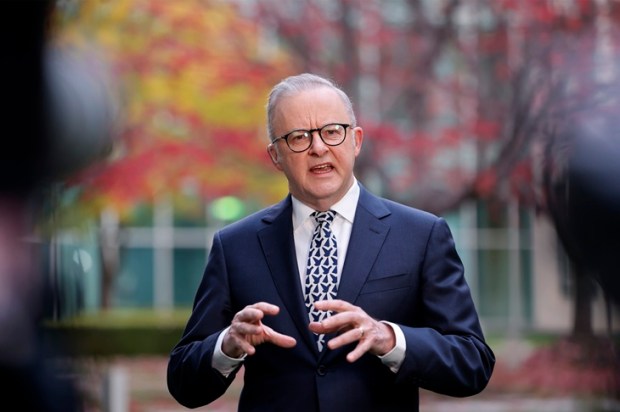
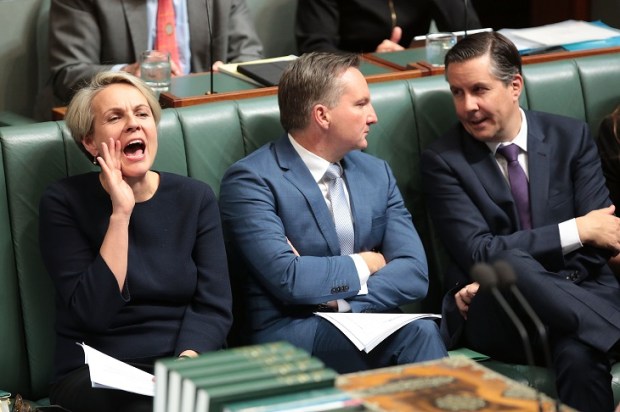
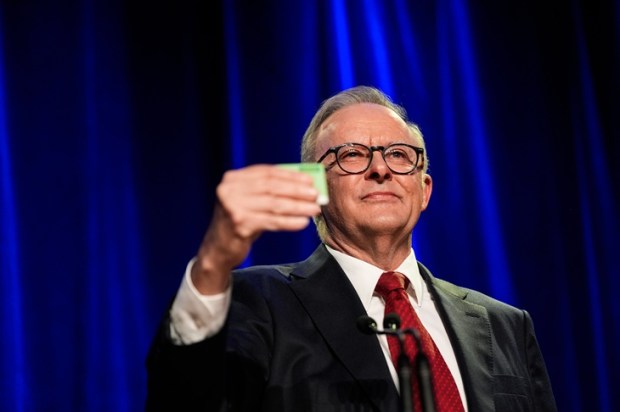
The dream of home ownership has become a punchline. Families are being smashed by mortgage repayments, energy bills, and grocery costs that bear no relationship to the wage growth politicians boast about in Parliament. There was a time when the Labor Party existed to serve the battler, the tradie, the factory worker, the outer-suburban family trying to get ahead. Look at the Albanese Cabinet today and you find a different story: a Treasurer who wrote his PhD thesis on Paul Keating, a Finance Minister who came up through the public sector union, an Attorney-General from the bar, and a frontbench drawn almost entirely from political staffing, law, and the union movement. Not a tradie, a farmer, or a small business owner in sight. These are not people whose priorities have much to do with helping someone in Melton or Cranbourne pay their power bill. The people Labor was built to represent noticed this abandonment long before the polls reflected it.
And then there is the lockdown legacy. Victoria endured some of the longest and harshest pandemic restrictions anywhere in the democratic world, more than 260 days of curfews, permit systems, children kept out of schools, families separated and businesses destroyed. The desire for cleaner, more transparent government is deeply personal for these voters.
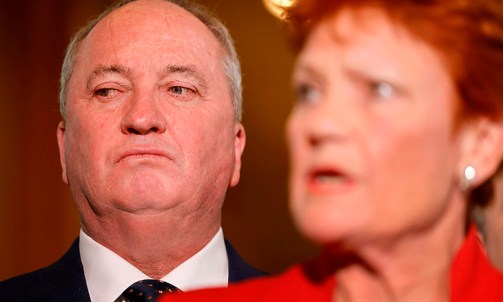
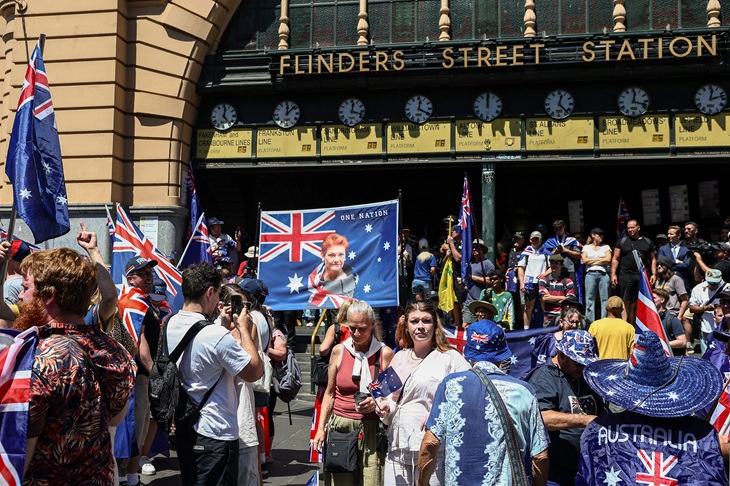
For decades, the media establishment has treated Pauline Hanson as a figure of ridicule, a punchline rather than an elected senator worthy of serious engagement. Her supporters have watched this treatment and drawn their own conclusions, not about her, but about the people doing the mocking. What the commentariat has never grasped is that Hanson’s unpolished authenticity is not a flaw in the eyes of her supporters. It is the central feature. She has survived 30 years of being told she is finished. She is still here.
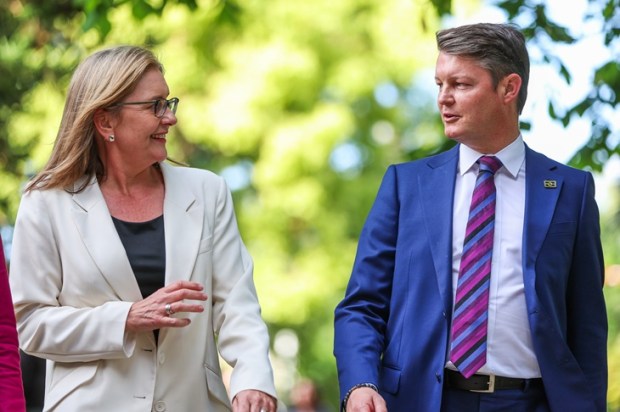
The polling bears this out. Hanson’s approval rating currently sits higher than that of Victorian Premier Jacinta Allan. Liberal leader Jess Wilson also rates more favourably than the Premier, but Wilson’s personal standing has not translated into a revival of the Liberal brand, which remains badly damaged. Voters may prefer Wilson to Allan as an individual, but they are not returning to the Liberals in meaningful numbers. It is not a story about the opposition doing something right. It is a story about voters searching outside the entire traditional political structure for something they can trust.
Senator Bridget McKenzie put it plainly: the major parties do not have a messaging problem. They have a product problem. The same political energy is visible across the democratic world. In the United Kingdom, Reform UK has torn into the traditional two-party order, stranding both Labour and the Conservatives in territory they once took for granted. In the United States, Rust Belt voters who felt abandoned by the established consensus returned Donald Trump to the White House. In country after country, a political establishment stopped listening, assumed votes were locked in, and then expressed bewilderment when voters found alternatives.
Victoria was supposed to be immune to this. Australian women were supposed to be among the least likely converts. The Woke capital has shifted. The gender gap has closed in an unexpected direction. The data is telling a story the political establishment will find deeply uncomfortable, whatever conclusions they draw from it.