Anyone who rules out the possibility of a seismic change in the political scene in Australia is not paying attention.
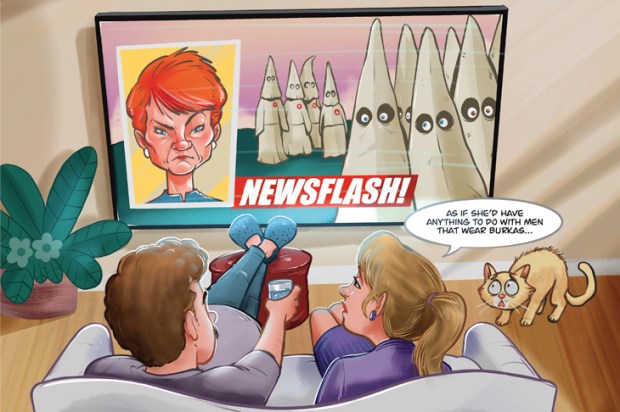
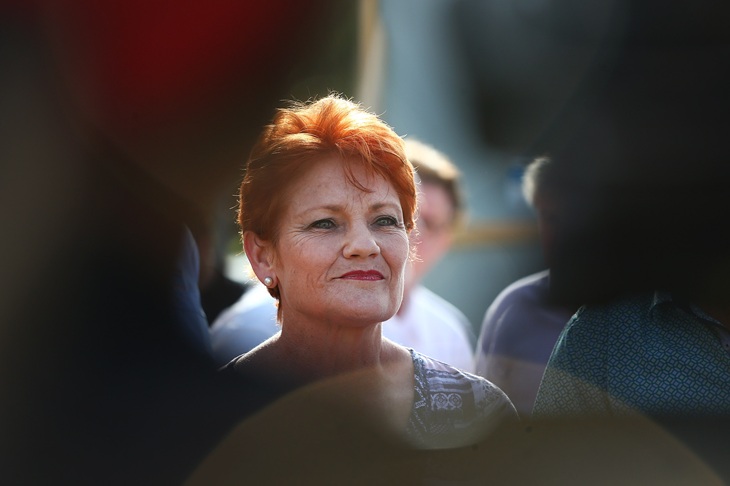
The rise in popularity of One Nation is unparalleled in Australian history and there will be many career politicians extrapolating a trend that we have seen in less than 12 months.
Simplistically, we’ve seen One Nation’s share of the vote market rise from 6.4 per cent in May 2025 to 17 per cent by the end of the year and now to 25 per cent.
And this is not based on a few outlier polls; it seems pretty consistent across all pollsters.
Fanciful though extrapolation can be, even with some inevitable deceleration, it cannot be discounted that One Nation’s support will crest at 40 per cent. And the ALP political machine is far too sophisticated to be fooled by previous preference allocations that would see it retaining a ‘two party preferred’ majority.

The causes of this cataclysmic/euphoric political shift are clear. They are dominated by concerns about excessive immigration (especially from those, lauded by the tireless protesting class, who do not share ‘Australian values’), and rising costs.
The latter are due to government forcing commercial energy out of the system and replacing it with subsidised renewables; excessive spending that has resulted in four out of five new jobs being in the public-funded sector, preventing productive new investment while facilitating wasteful capital expenditure; and an utter inability to facilitate increased home building.
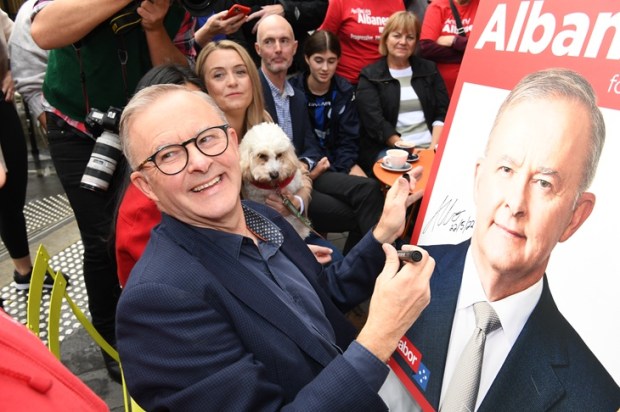
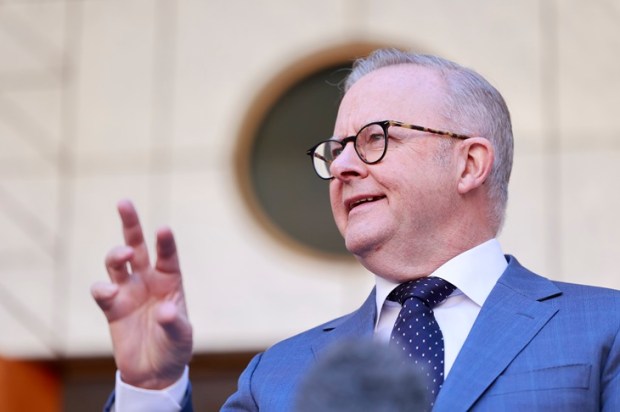
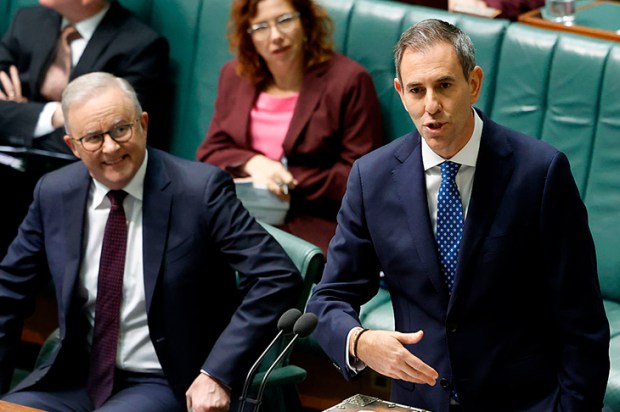
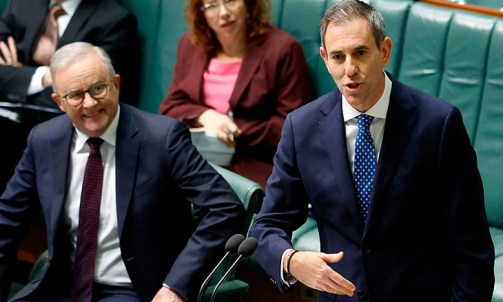
The problem for the government is that it has economic policy incompetents – Albanese, Chalmers, and Gallagher – in political control and has populated its bureaucracy with like-minded individuals. And, lacking self-awareness, their hubristic claim was that they will create a better capitalism.
The consequent policy delinquencies are now being magnified by a Reserve Bank that has finally recognised that we cannot have endless wish-lists of new, ideologically motivated spending without this cratering productivity and causing economy-crippling inflation.
So now we have a compounding effect of interest rate rises. The most immediate outcome of this week’s 0.25 per cent rise is a $1,200-$2,400 per year housing cost hit for the average family and there is a fat chance that this will be the only increase. Moreover, increases in interest rates will have a further dampening effect on investment and, hence, on national productivity.
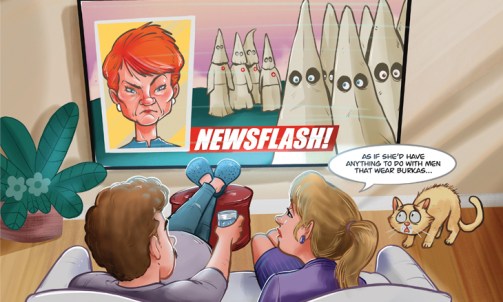
The ‘protest party’ can now claim that the Coalition, on 19 per cent, is cannibalising the conservative vote and even Peta Credlin, the custodian of the Liberal Party flame, is moved to warn, ‘If it’s not careful, it could be down and out.’
Her hope that a John Howard may arise and recapture the centre right is less likely than a Farage-type bleeding of talent to One Nation, followed by some form of electoral alliance with those parts of the Liberal Rump who do not secede to the Teals. For its part, the ALP, recognising a decline in Green support, can only see slim pickings to tap from the left.
The establishment parties’ claim that One Nation is bereft of policies is inaccurate. That said, they need resources to flesh out the topics they have covered and to address others.
The importance of this was underscored by the first Trump Administration, which had policies but no government machinery, and thus achieved very little. The difficulties are further illustrated by Trump 2.0, which had detailed plans including personnel lined up to implement them but, notwithstanding Elon Musk’s DOGE, has made little headway in balancing the budget because of long-tailed policy commitments of the previous administration. Especially with programs like the Capacity Investment Scheme and the Future Made in Australia, the present government has inserted many poison pill commitments that it hopes will prove difficult for a successor administration to unwind.