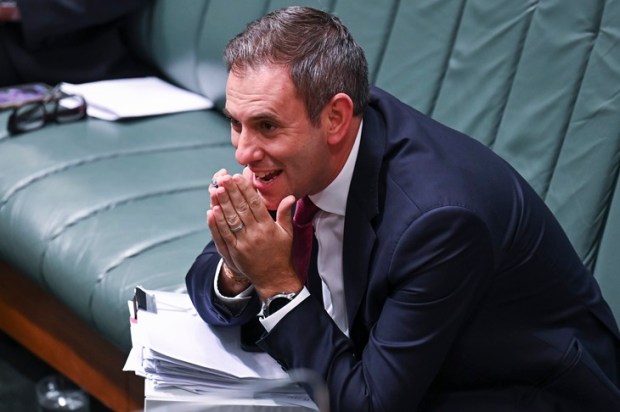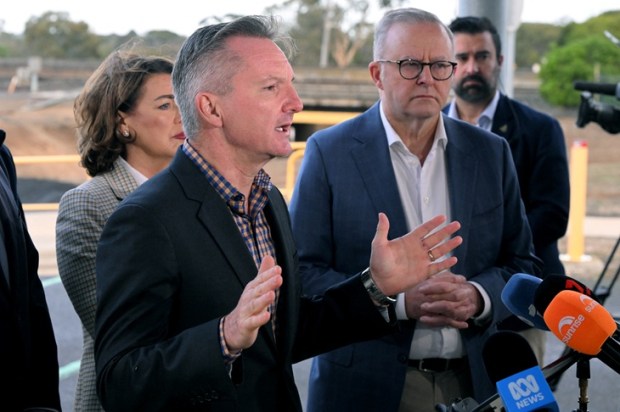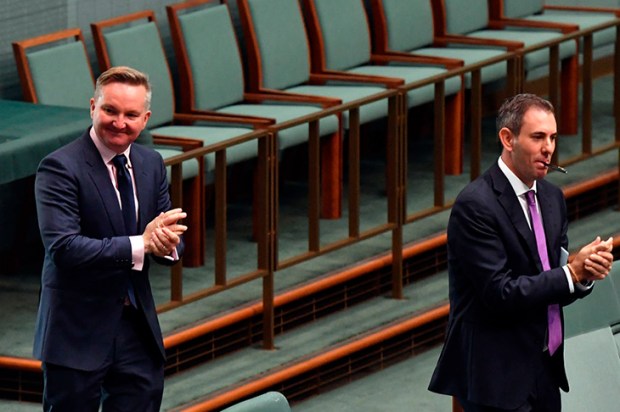
The recent backflip by federal Treasurer Jim Chalmers on proposed changes to superannuation tax arrangements is further proof that the Albanese government will backdown on policies if a strong and sustained case is made against them.
The failed Voice referendum in October 2023 also demonstrated that an Albanese agenda item can be defeated if resistance to it is principled, concentrated, and coordinated.
Since the referendum there have been multiple instances of the Albanese government failing to have legislative wins in key policy areas, notably its originally proposed environmental reforms, misinformation and disinformation laws, as well as the recent super tax changes. This opens the door for the Coalition to wield significant influence across a range of important policy areas.
The failure of the Coalition to function as an effective opposition to date is more about a lack of political courage than a lack of opportunities. Too often it has vacated the field and left others to oppose the Albanese government’s excesses.
The failure to legislate the original Nature Positive environmental reforms was largely due to pressure from the mining sector and the Western Australia state government, as the proposed reforms would have disproportionately targeted the WA economy.
Misinformation and disinformation laws were defeated because of opposition from the entire Senate crossbench, and because the vast majority of external stakeholders thought the changes were too wide-ranging and put freedom of speech at risk.
And again, opposition to aspects of the super tax changes was wide-ranging, encompassing institutions, commentators, and even Labor Party veterans.
The federal opposition and Paul Keating would agree on very little, but they both opposed increasing the tax on certain super accounts above the $3 million threshold, and most credible economists agreed that taxing unrealised capital gains in any circumstance is a mistake.
These factors were likely why the Prime Minister pulled the rug from underneath the Treasurer and moderated the proposed changes.
In all of these instances, the federal government was forced to abandon its plans and reevaluate its policy position. Significantly, none of these policy shifts occurred because of the Coalition applying substantial, targeted pressure; rather they were the product of the vocal opposition of outsiders.
Labor’s policies do not enjoy uniform support. The Coalition must realise this and start to act as the standard-bearer of sustained opposition to Albanese’s agenda, while it develops an agenda of its own.
The most obvious example of where they can apply pressure is the policy of Net Zero, this is especially true given the Nationals’ recent announcement that they have abandoned the policy.
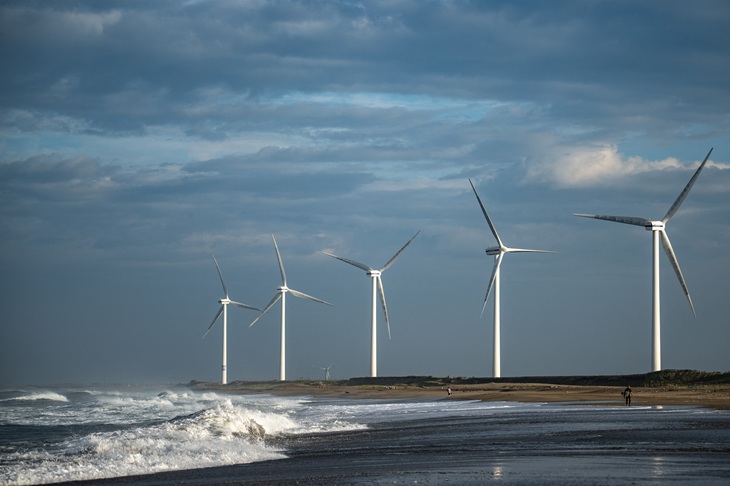
Net Zero, and the so-called renewable transition accompanying it, is making our energy grid less reliable, is deindustrialising the nation, and is driving up power bills for everyday Australians.
Yet, the federal Liberal Party is petrified to have a genuine debate on the merits of the policy.
This is likely why they discuss the policy between themselves and soft supporters of Net Zero in closed door meetings in Canberra, rather than have a robust discussion with the communities most impacted by the policy in the regions and outer suburbs.
If the Liberals found the courage it could find a new constituency. Polling commissioned by the Institute of Public Affairs revealed that 79 per cent of Australians think the main focus of the federal government’s energy policy should be either affordability or reliability, with only 21 per cent thinking it should be Net Zero.
Australians are up for a debate on Net Zero, and we have seen across multiple policy areas how far the government will backtrack in the face of sustained criticism of its policies. The frantic tone of the government’s attacks on those Liberals and Nationals who dare to question Net Zero proves just how much the Prime Minister wants to avoid this debate.
These attacks are designed to restrict the parameters of debate, and it appears to have worked thus far, with Net Zero going largely undebated by the political class since the Morrison government adopted it as government policy.
The Coalition must be the catalyst for, rather than merely an incidental beneficiary of, the Albanese government’s legislative failures. Only then will it regain relevance and electability. Net Zero should be the starting point of this process.
Saxon Davidson is a Research Fellow at the Institute of Public Affairs