Logic, sadly, points to one all-too-likely victor from the Labour leadership crisis: Ed Miliband. On the principle of ‘he who wields the sword never wears the crown’, Wes Streeting has already ruled himself out; he has become far too publicly associated with efforts to remove Starmer from office, especially with his ‘showdown’ with the PM this morning.
All PMs who enter No. 10 while their party is already in office suffer from the lack of a personal mandate. But Miliband would enter office with something far worse: an anti-mandate
Andy Burnham is marooned in Manchester. He may not even win the required by-election to make himself a runner; the UK public has shown a distinct intolerance in the past for by-elections they think are unnecessary. Angela Rayner is hubristic to think that she could return as PM after resigning as deputy PM over her tax affairs. Other candidates lack the required support.
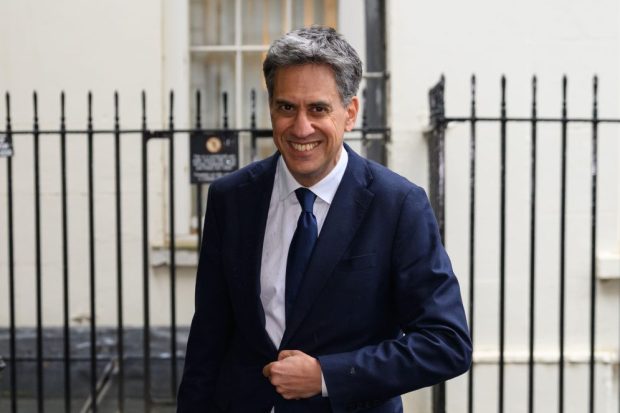
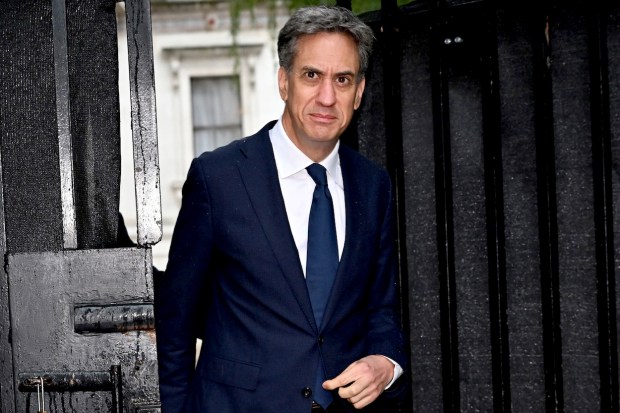
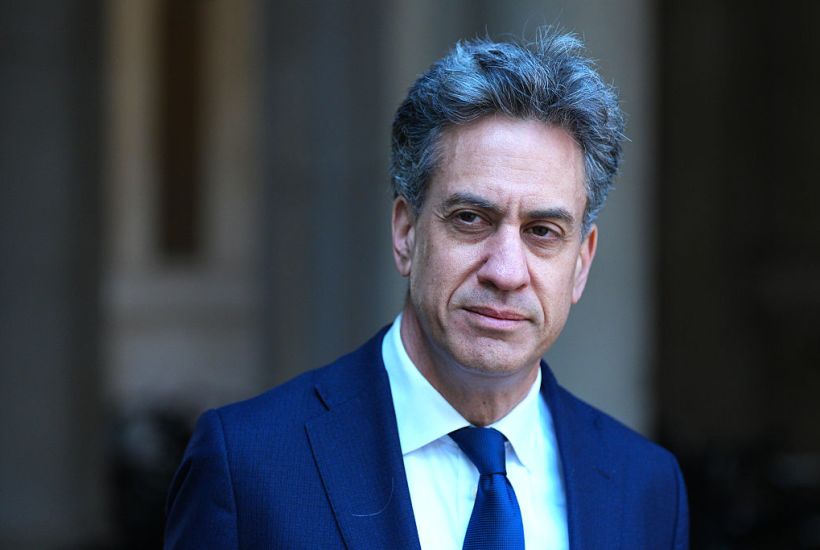
That leaves Miliband, who is reportedly being lined up as an anti-Streeting challenger. Miliband still is the most popular cabinet minister among Labour members. They might lap him up, but for everyone else his premiership would be a nightmare. All PMs who enter No. 10 while their party is already in office suffer from the lack of a personal mandate. But Miliband would enter office with something far worse: an anti-mandate. The country has already been invited to vote for him as PM in 2015 – and rejected him overwhelmingly. To have him lumbered on us anyway would be like telling the waiter we will have anything but the onion soup but then having it served to us anyway.
There is plenty that is wrong with Starmer’s premiership, but nothing to which Miliband is the answer. Starmer is at least aware that Ed’s manic effort to decarbonise the electricity grid by 2030 is adding to the cost of living, with UK consumers facing the second-highest electricity prices of any developed country (after equally wind-obsessed Germany) while our remaining industry is eviscerated by the highest industrial prices of any country. Miliband has no such insight: to him, renewables are the answer to everything. As PM he would be shorn of all restraint. Industry, low-income households; all would be sacrificed to help him reach his arbitrary targets.
If you think the public finances are a mess now, you don’t want to think what they would be like under Miliband. One of the reasons he lost in 2015 was his point-blank refusal to accept that the Blair and Brown governments – in which he, of course, was a prime player as aide to Gordon Brown, followed by energy and climate secretary – spent and borrowed too much. He promised that he would trim the deficit year on year (not actually eliminate the deficit, mind) yet his policies did not point to any credible way of achieving this. He promised to freeze rates of income tax (except the 45 pence rate, which he said he would increase to 50 per cent), but promised spending rises, too. Voters, unsurprisingly, saw through it.
The truth is that Miliband has little grip on fiscal reality and markets know it, which is why UK government bond yields have been shooting upwards whenever the chances of Starmer being forced out of office increase.
His 2015 manifesto was also riddled with anti-business measures which would have destroyed economic growth. It was he who first launched an attack on zero hours contracts, in spite of them being popular with many people on them, such as students, who value the flexibility they offer. Miliband’s pitch to business in 2015 failed miserably with markedly fewer backers than were prepared to endorse Starmer in 2025.
The public made a wise choice in 2015. To end up having him forced on us as PM anyway, without a mandate, would hasten the demise of the Labour party.