In this writing, I want to introduce the world to the true foundations of Iran.
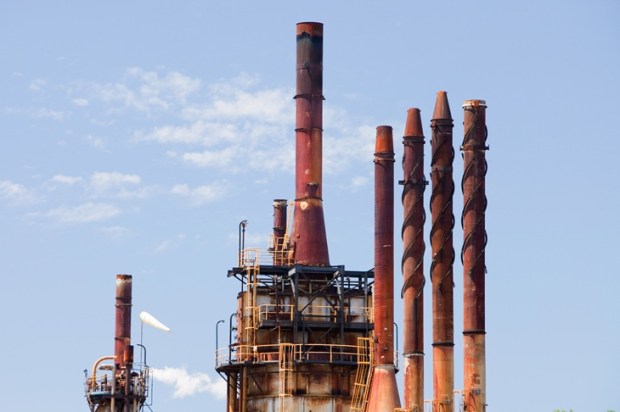
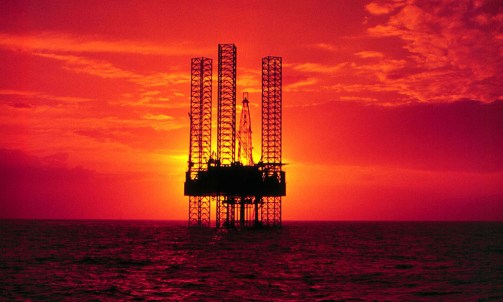
The ‘infrastructure of Iran’ is not merely physical structures such as oil and gas refineries or steel factories. What has kept Iran alive throughout history is not only material resources, but the deep cultural and intellectual foundations of this nation and land.
These are strong and enduring foundations rooted in the historical identity of this land, and with careful attention, they can be seen and revealed in the thoughts, words, and actions of its people.
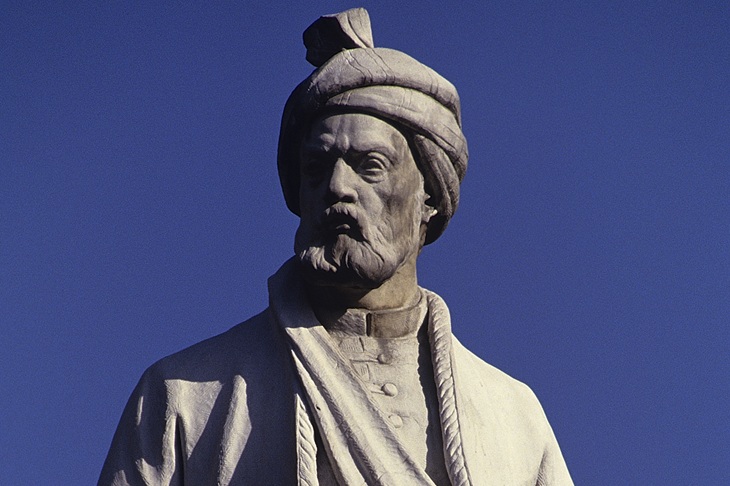
The foundations of Iran stand firmly on three main pillars: the ethical ideas and philosophy of life of Zoroaster, the human character and kingship of Cyrus the Great, and the epic storytelling and preservation of the life stories of Iranians written by the great Ferdowsi. Each of these, in its own way, has formed the basis for the creation and continuation of Iranian culture.
Zoroaster, through his teachings, established a fundamental concept of ethics in the world: ‘Good thoughts, good words, good deeds.’
These three principles are not merely moral recommendations, but a framework for human life. In this view, a person is responsible for their thoughts, speech, and actions, and this sense of responsibility becomes the foundation of social order and inner peace. This path of joy and peace is not only for the people of Iran, but for all human beings around the world, regardless of their colour or appearance.
Alongside this intellectual foundation, Cyrus the Great stands as a symbol of governance based on wisdom, justice, and tolerance. What emerges from historical sources about his character shows that power, in his view, was not merely a tool for domination, but a means to establish order, security, and respect for the cultural and religious diversity of people. This perspective on power is one of the key roots in the formation of the concept of Iran as a lasting cultural entity, and Iranian kingship provided a safe foundation for its people.
If these two pillars shape the ethical and political foundations, Ferdowsi keeps the spirit of this culture alive. His book, the Shahnameh, is not merely a literary work; it is the historical memory and identity of a nation that is 1,500 years old, and its stories are based on sources that date back more than eight thousand years.
Ferdowsi, by recreating ancient myths and narratives, preserved the Persian language and strengthened the connection of Iranians to their past.
He demonstrated that culture, even in the most difficult conditions, can serve as a shield against forgetting and collapse, and through generations people have learned that human beings are brought into this world for kindness, and that kindness is the greatest treasure that must be protected, and this requires wisdom.
These three pillars have carried Iran through major crises throughout history. Iran has faced many invasions and profound transformations, from the Mongol attacks to the deep changes following the Arab Muslim conquest. Many civilisations could not survive such pressures, such as ancient Egypt and ancient Rome, but Iran endured. The reason for this endurance cannot be explained merely by geography or military power, but must be found in this deep cultural foundation.
Iranian culture, unlike material structures, is not easily destroyed. Cities may burn and governments may change, but ideas, language, and historical memory can continue. It is this characteristic that has allowed Iran, despite all its ups and downs, to remain a living identity and a beating heart of the world.
In the contemporary era as well, although Iran faces various political, social, and economic challenges, this cultural foundation continues to play a decisive role. What drives people to continue, to stand firm, and to hope is not merely external conditions, but a deep connection to their historical and cultural identity.
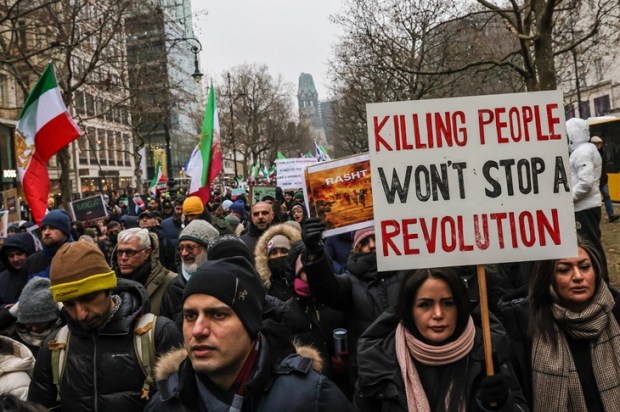
The world has seen how a nation stood with empty hands against bullets and wrote, ‘Javid Shah’, (Long Live the Shah) which is a symbol of this very identity, with their blood on walls and doors.
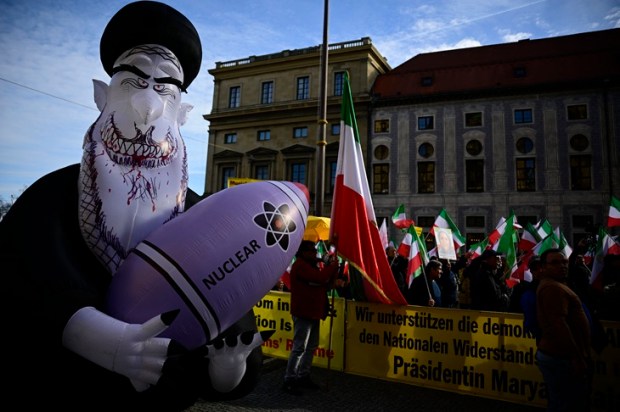
Iranians can reclaim Iran, which has now been turned into ruins by the clerical regime, from this regime and criminal faction, and rebuild and flourish it once again. This, without doubt, will not be based solely on material resources, but will require reliance on the same principles that have preserved this land throughout history: ethics, wisdom, and cultural identity. Without these, no development can be sustainable.
In conclusion, it can be said that the true infrastructure of Iran lies not in oil pipelines or steel furnaces, but in the ideas, values, and narratives that have been passed down from generation to generation. These foundations guide Iran toward a better future, and if they are considered as a model for the world, one can believe in this truth that existence can move toward peace, and toward that global coexistence and harmony that all humanity longs for.
Leila Naseri: Author | Composer | Social Cultural Activist