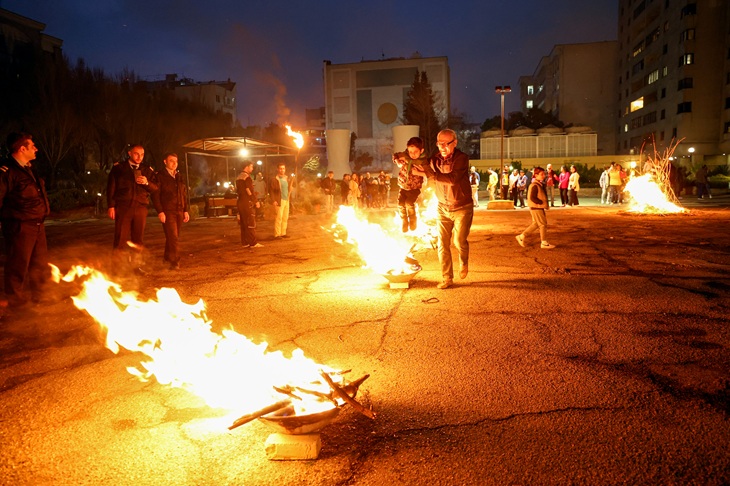
Chaharshanbe Suri is one of the ancient Iranian festivals, celebrated on the eve of the last Wednesday of the year, beginning at sunset on Tuesday. Its main feature is lighting bonfires and jumping over the flames. This celebration is considered the first of the Nowruz festivities and is held outdoors as a communal event, marked by fire and other symbolic acts.
There are two main interpretations of the word ‘Suri’ in the name of the festival. Some scholars interpret ‘sur’ as meaning celebration, joy, or festivity. Another view, considered more convincing, holds that ‘suri’ means red, referring to the red fire that is lit during the ritual. In the ancient Pahlavi language, SŪR means red, and words such as ‘gol-e suri’ (red flower) come from the same root. It is believed that the original name was ‘Jashn-e Suri’ (Festival of Fire/Red), and that the word ‘Wednesday’ was added later.
Given the central role of fire in ancient Iranian culture, this festival may be connected to the six-day year-end ceremonies known as the Hamaspatmaedaya Gahambar, which were held after calendar reforms during the reign of Ardashir I of the Sasanian Empire. According to Zoroastrian belief, during this period the souls of the dead return to the world of the living. Lighting fires is thought to be a remnant of the ancient practice of announcing the New Year by kindling flames on rooftops. Jumping over the fire is also associated with the legendary trial by fire of Siyavash, who proved his innocence by passing through flames unharmed.
In Iranian mythology, Siyavash symbolises purity, peace, and innocence. To prove his truthfulness, at the suggestion of the priests and with the consent of his father, King Kay Kavus, he put on a burial shroud, mounted his black horse, and rode through the fire, emerging safely. Later, however, while living in a foreign land where he had founded a city symbolising peace between two kingdoms, he was unjustly executed on the king’s orders, bound and defenceless. From that time on, the mourning ritual known as ‘Siyavashan’ developed in memory of his innocence and the destruction of reconciliation and kindness.
This mourning tradition uniquely blends sorrow and hope; its music conveys deep grief yet ultimately leads toward a sense of endurance and renewal. Evidence of this cult of mourning appears in ancient artifacts from Khwarazm and Transoxiana, in the wall paintings of Panjikent in Sogdiana, and in symbols such as the inverted tulip. In parts of Iran, including Lorestan and Paveh, this flower is called ‘the tear of Siyavash’ because it bends downward as if in mourning. The motif of the inverted tulip also appears in Sasanian reliefs and architectural decorations.
The blending of sorrow and joy in the mourning of Siyavash reflects a broader pattern in Iranian mythic culture, where grief and celebration often coexist. Chaharshanbe Suri continues to be observed each year across Iran, with people gathering in streets and neighbourhoods to light fires and preserve this ancient tradition.
Many Iranians believe their nation has endured foreign domination for centuries and has struggled continuously to preserve its identity. By maintaining their language, literature, and customs even under difficult conditions, they see themselves as having kept Iran alive.
In the past 47 years, the Islamic Republic has often attempted to restrict public celebration of this festival, yet people throughout the country have continued to observe it. This year, on March 17, people will again gather in many places to perform the rituals of the night. For many, the celebration is a mixture of tears and smiles, grief and hope. In light of the killings of Iranians reported in the past two months, some view this year’s Chaharshanbe Suri as a form of ‘Siyavashan,’ a remembrance marked by both mourning and resilience. From this perspective, the festival looks toward the future while recalling the past, keeping alive the hope for peace and freedom.
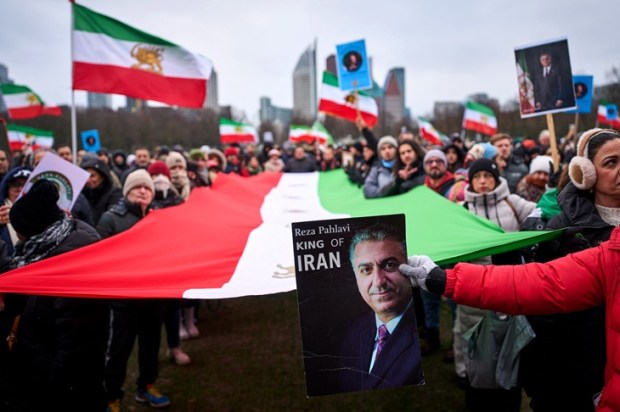
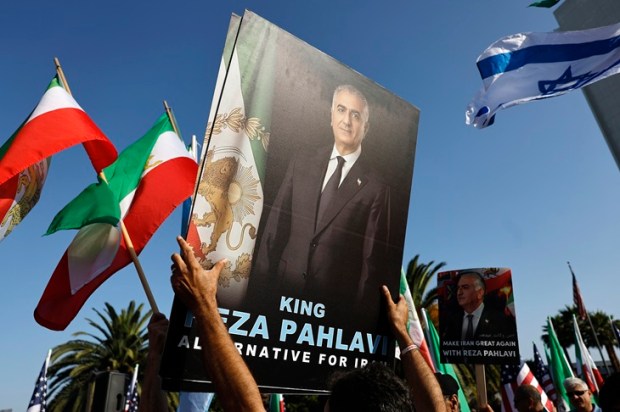
Some supporters of Reza Pahlavi have called for large public gatherings on this day, believing it could become a significant moment driven by the Iranian people themselves.
Leila Naseri: Author | Composer | Social Cultural Activist