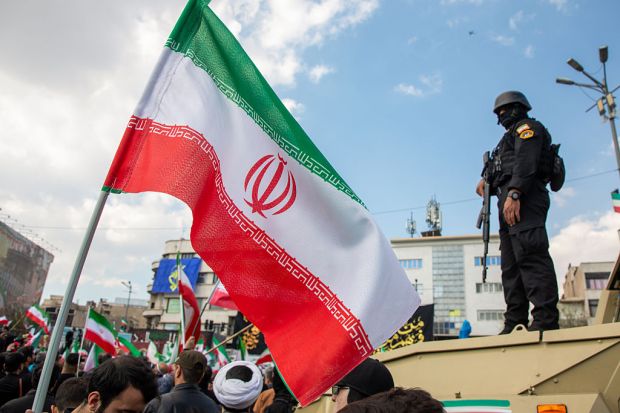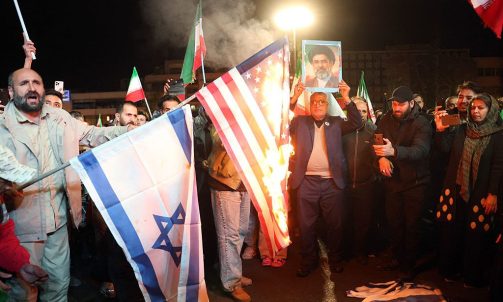
In recent weeks, Iran has once again become a central issue in international politics.
The convergence of three major trends intensified nuclear negotiations, rising regional security tensions, and a more active Iranian opposition abroad suggests that the Iran file is moving from a chronic crisis toward a decisive phase.
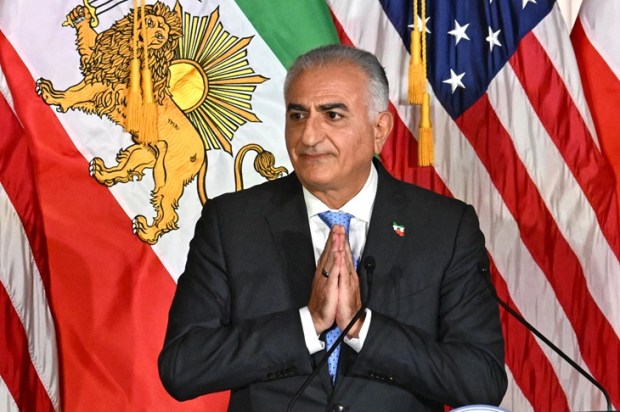
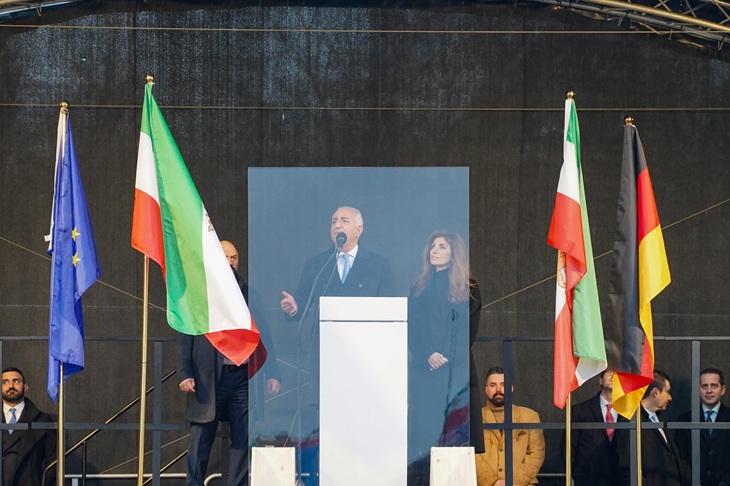
The large presence of Iranians at political gatherings overseas, including the assembly of more than 250,000 people on the sidelines of the Munich Security Conference, reflects a shift by the Iranian diaspora into a more organised form of political engagement one whose consequences will not be confined to Iran’s domestic politics and will inevitably require countries such as Australia to respond.
For over two decades, Western policy toward Iran focused largely on containment: sanctions to limit the nuclear program, negotiations to avoid war, and avoidance of debate about Iran’s political future. Signs now indicate this framework is changing.
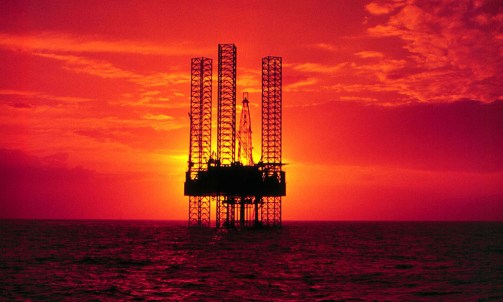
Recent discussions between the United States and the Islamic Republic are no longer only about centrifuges; they are tied to regional stability, energy security, and even the future political order of Iran. At the same time, military drills and readiness across the Middle East show that global powers are not relying solely on a deal but are also examining post-agreement or even post-regime scenarios.
In this context, the renewed visibility of opposition figures is no longer seen by many governments as a marginal issue but as part of the future security equation of the Middle East. The Munich Security Conference on 13-14 February carried a distinct message:
Iranians abroad are evolving into a noticeable political actor, mobilising in cities around the world following political calls.
These gatherings highlighted the emergence of a shared political identity in exile.
This development matters to Western governments because, in any transition scenario, an organised network outside the country can act as an intermediary between the international community and Iranian society inside Iran. For countries such as Australia, home to a sizeable Iranian community, the Iran question is therefore no longer purely foreign policy; it is increasingly linked to domestic and social policy as well.
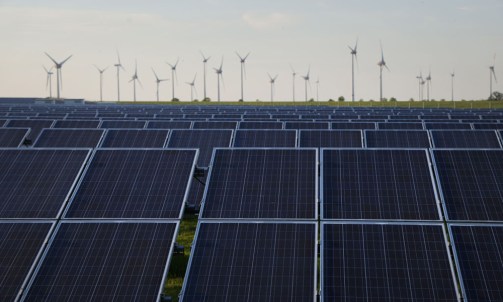
Australia has not traditionally been a direct Middle East actor, yet three factors draw it in. First, security: extraterritorial activities attributed to the Islamic Republic have led Canberra to view Iran not only as a regional issue but as a potential risk on Australian soil. Second, strategy: instability in the Middle East diverts US focus from the Indo-Pacific a region vital to Australia’s national security. Third, economics: a stable and open Iran could become a major market in sectors such as energy, mining, advanced agriculture, and higher education, where Australia holds competitive advantages.
Australian policy has typically been cautious, but present conditions allow a more active posture without implying direct intervention. Australia could initiate open dialogue with diverse Iranian communities not as political recognition, but as community engagement. This would signal support for people rather than any single faction and demonstrate preparedness for future scenarios.
It could also establish expert working groups in advance for potential cooperation in universities, renewable energy, water management, and mining. At the same time, as political activism grows within the diaspora, social tensions may increase; the government must therefore protect freedom of expression while preventing intimidation and transnational coercion.
Even symbolic diplomacy would matter. Sometimes a political signal has greater impact than a contract. Parliamentary meetings, public forums, and willingness to engage in dialogue could build long-term political capital without immediate cost.
For Australia, the choice is not between neutrality and intervention, but between passivity and preparedness. A country that plans early for future developments will not only avoid costs but, if change occurs, will naturally become a partner in Iran’s future development.
By Leila Naseri: Author | Composer | Social Cultural Activist