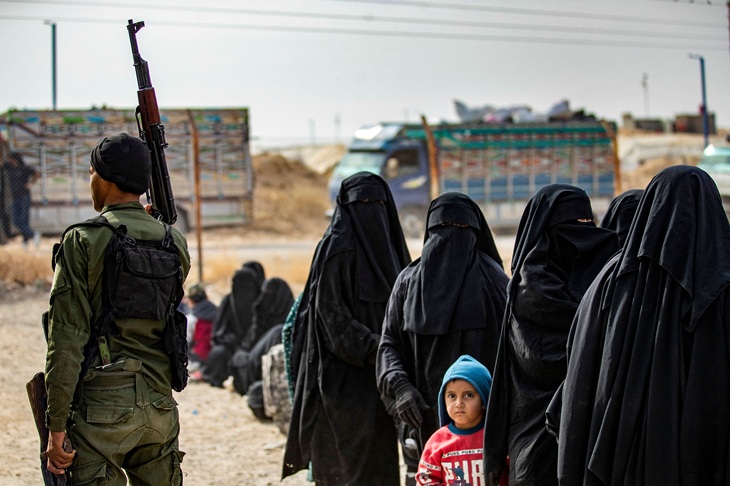
When Australia originally decided to repatriate women and children from Syrian camps linked to the Islamic State (ISIS), the government presented it as an exercise in national responsibility that was carefully managed and security led.
However, ISIS was not an ordinary insurgency, it operated a death cult – broadcasting beheadings of Western hostages and glorifying mass casualty terrorism.
To welcome back its adherents, along with children born and raised within this ideological furnace, is to take a calculated risk that ordinary Australians should not be willing to accept.
This risk is far from hypothetical.
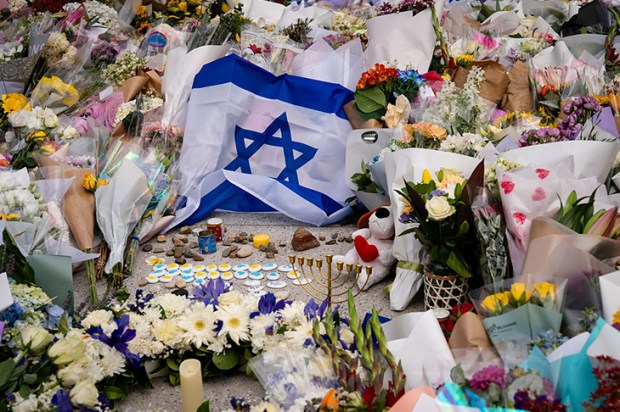
It has been alleged by police and security forces that the Bondi Hanukah terrorist attack in December of 2025 was inspired by ISIS ideology. Reports allege the ISIS flag was found in their vehicle after the attack.
It is my belief that any rhetoric from the Albanese government that the ISIS brides will be ‘monitored’ is futile. Individuals already on security watchlists, here and abroad, have been able to cause harm.
Many Australians have voiced their opinion that ISIS brides should never be allowed to return to this country.
There are no assurances or political messaging which can guarantee that Australia will not see another ISIS inspired attack. For ordinary Australians, the grass is not greener with such individuals on our soil. Performative virtue signalling serves no national security purpose, it only erodes public trust.
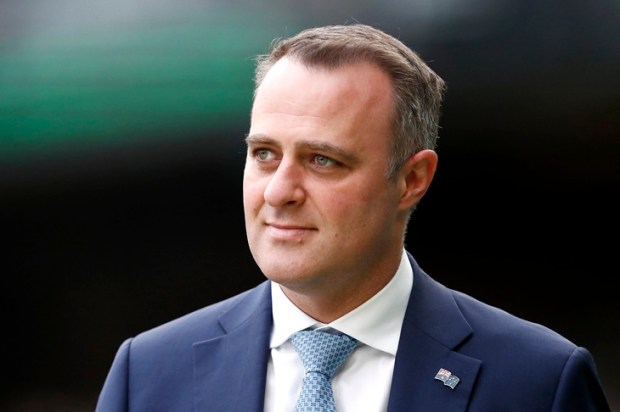
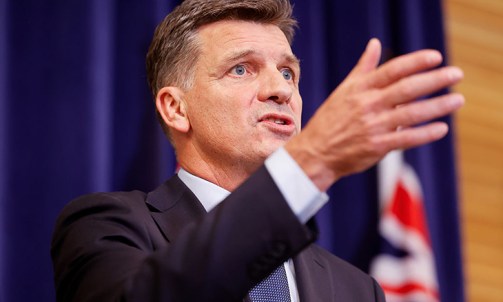
I implore Tony Burke to remember his responsibility is to the safety and security of all Australians.
At the same time, Australia granted roughly 3,000 temporary visas to Palestinians affected by the Gaza conflict. Reports suggest many of these visas were processed in under 24 hours and with little to no vetting of identity, security background checks, or character verification. This is despite schools indoctrinating children (and thus the young people of Palestine) since Hamas took control over Gaza. They were taught to hate and were inspired to pursue martyrdom (suicide bombings and murder of Israelis and Westerners). Our government presented these visas as humanitarian, but for critics it highlights a glaring contrast in treatment: Palestinians fleeing conflict could secure rapid entry, while visitors from a democratic ally faced protracted scrutiny and exhaustive questioning.
Now consider the experience of many Israeli citizens applying simply to visit Australia since October 2023. Formally, the system remains the same. Applications are lodged through the framework overseen by the Department of Home Affairs. The initial form typically takes two to three hours to complete. Yet many Israelis, particularly those who have served in the Israel Defence Forces, as most Jewish Israeli adults have due to compulsory service, report receiving detailed supplementary questionnaires requesting granular information about units, deployments, ranks, and operational conduct.
In Israel, much military information is classified or legally sensitive. Former personnel are often restricted in what they may disclose. Being asked to provide detailed operational accounts to a foreign government can place applicants in an uncomfortable position. What appears to Australian officials as prudent, or ideological vetting can feel, to the individual, like intrusive suspicion directed at ordinary citizens of a democratic ally.
Israel cooperates closely with Western partners, including Australia, on counter-terrorism and intelligence sharing. Meanwhile, Australian authorities have investigated extremist rhetoric and alleged foreign interference linked to overseas actors, including concerns surrounding Iran’s Islamic Revolutionary Guard Corps.
In a development that underscores the inconsistency of Australia’s immigration and national-security policies, it has been reported that Hanieh Safavi, the daughter of Major General Yahya Rahim Safavi – a former chief of the IRGC and adviser to Iran’s Supreme Leader – was allegedly granted Australian permanent residency. Critics have urged a review of her status.
The security landscape is complex and volatile. Tony Burke holds broad discretionary powers to refuse or cancel visas on character grounds. Those powers exist to protect Australians and that must remain paramount. The debate is not about whether vetting should occur, but whether it is applied proportionately and consistently.
Public confidence in immigration policy depends on a clear sense of balance. If Australians perceive that individuals once associated with extremist movements are managed and reintegrated, while visitors from a democratic ally face exhaustive scrutiny because of compulsory national service, questions will inevitably arise.
Governments cannot eliminate risk entirely, but they can ensure that their first responsibility, the safety, and security of Australians is pursued with even-handedness, clarity, and strategic judgment.
The stakes could not be higher.
ISIS brides joined a death cult that committed crimes against humanity. Their children, born overseas, have been exposed to this ideology. There is evidence from other nations that this could pose an ongoing security risk.
Any claims that the government can fully ‘monitor’ these individuals are naive.
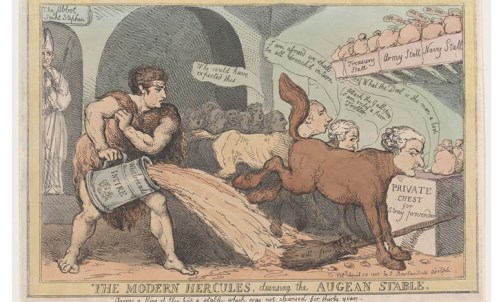
Albanese’s assurances and public posturing are little more than optics, and ordinary Australians are left to bear the risk. The grass was not greener in Syria, and it is certainly not greener here.