I was born with a rare disorder 54 years ago, and for 43 of those years I felt like an outlier, alone, and perpetually misunderstood.
Hypoparathyroidism is a rare condition, and it manifests itself when the parathyroid glands that hang out with the better-known thyroid gland produce little or no parathyroid hormone.
This means that calcium and phosphate levels are not policed the way nature intended, and it could have severe consequences including heart failure if the condition is not picked up and treated properly.
It can materialise in several different ways.
One of them is a consequence of surgery to deal with problems with the thyroid gland. Parathyroid glands can be damaged or removed, and hypoparathyroidism can be the result of dealing with one problem.
Another way of getting it is through familial links. It can be inherited, and that in itself can be challenged for a family already impacted by the condition.
It can also have no known origin. My diagnosis of hypoparathyroidism was idiopathic. Nobody knows how I got it, but they found out I had it and it has been a lifelong journey to treat it to maintain quality of life.
Your life is an exercise in experimentation and uncertainty as you grow up with hypoparathyroidism because it is educated guesswork that gets the right dosage of medication into your system to keep things ticking away as nicely as possible.
This success in treatment does not mean living in a world that has a chronic inability to cope with things that are different or novel is any easier.
There are multiple indifferent and prejudiced individuals for every single person that genuinely shows care, empathy, and a willingness to listen to understand.
The cruelty of the schoolyard as I grew up morphed into other forms of noticeable prejudice given that hypoparathyroidism causes partial deafness, and some other quirks along the way that some otherwise bright people think are characteristics worthy of mockery or discriminatory behaviour.
Workplace conversations with colleagues about illness and diet often wound up with people wanting to accuse me of eating unhealthily or relying on supplements such as Vitamin D capsules too much.
What the clever little darlings are clueless about is that a condition like hypoparathyroidism impacts the functioning of the body’s hardware that processes sources of Vitamin D such as sunlight.
There is no point, for example, in me running around half starkers in the backyard stoking some rays in the hope that this will convert to Vitamin D in the way it might for others.
Imagine the skin is a solar panel on a roof. That solar panel has no proper connection with anything that can process or convert the light into energy. My parathyroids are cactus and they can’t process anything to turn it into Vitamin D.
The only thing that me running about half starkers would actually do is create an unintentional comedy skit.
Empathy and understanding is always better than the alternative, but it is not a substitute for lived experience, and it took me 43 years to make the first real connection with several fellow travellers with hypoparathyroidism.
We swapped stories about symptoms and treatments and for the first time somebody understood what the heck I was talking about without me feeling like I was alien to this world, a feeling that in the past caused me to withdraw into myself because explaining things to what was a disinterested cohort felt just too bloody hard.
That first connection after 43 years of nothing was made via social media platforms and people with hypoparathyroidism are able to find themselves and have conversations with others with the same ailment because online connection is possible.
I had not realised how relieved I would feel when the weight of perpetual isolation for most of my life fell away at least for those periods when I discovered online communities that existed for self-help because even to this day it is challenging to find medical practitioners that have an adequate understanding of hypoparathyroidism.
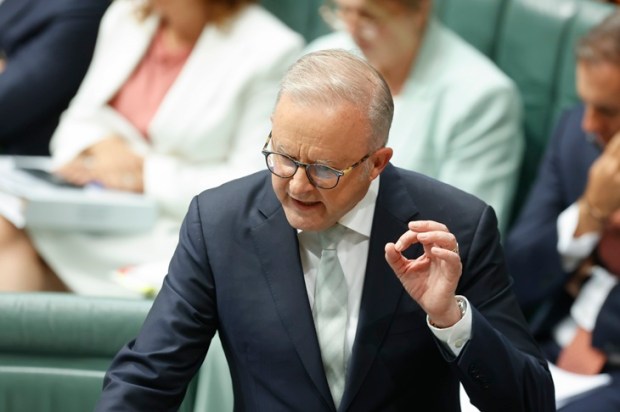
It raises a further question that those that occupy seats in our national Parliament need to think about regarding that ban on social media usage for people that are under 16 years of age that our Prime Minister, Anthony Albanese, is busy flogging on the world stage.
Why should somebody under 16 years of age be prohibited from discovered people that might have the same disorder or illness online, and communicate with them in Facebook and other groups as they are trying to understand themselves?
Growing up is difficult enough as a teenager but transpose a rare disorder onto that and the impact can be depressing.
Have parliamentarians even properly considered how people with rare disorders find their tribe and learn about how others cope with the same illness as they went off on this mission to ban under-16s from using various social media platforms?
Any parliamentarian that has admits privately or publicly that they failed to consider this scenario is also admitting they have failed to properly consider all possible implications of a new law.
Each elected representative would squeal if the public servants in Canberra failed to follow the consultation guidelines specified by the Office of Impact Analysis, but it is apparently okay for people to fail to consider all implications of a ban that was shoved through Parliament late last year in haste.
Did even the most well-intentioned even think about this aspect of passing law or was this an easy one to bounce through because kids under 16 don’t vote?
It would be useful if under 16-year-olds with conditions such as the one I was born with were able to get comfort from having conversations online with people with the same condition unfettered by some government ban.
I would hate for anybody to have to spend decades like I did and feel isolated when the technology and the networks are there to connect with others that have same lived experience.
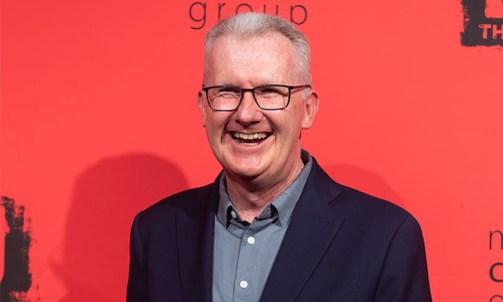
Tom Ravlic, journalist, author, and editor of the Canberra Sentinel