As the Ukraine-Russia peace talks continue, what sort of concessions will Kyiv be forced to make? And how can Zelensky protect his country amid Trump’s insistence that the war come to a close after ending US financial support?
Kyiv’s emphasis must be on hard power military deterrence measures to dissuade a future Russian invasion of its territory. Zelensky cannot negotiate an agreement that does not provide Ukraine with the lethal aid and security guarantees it requires.
A deal that neglects these areas would allow Putin to rearm and invade Ukraine again in the future.
While facing calls from Trump to acquiesce, Kyiv faces a Putin who aims for total victory and will not stop his attacks until Ukraine is conquered in its entirety or is deterred.
This is amid the reality that Putin’s aims also include the fracturing of European unity, kicking the US out of Europe, and dismantling Nato.
For its part, Europe views Ukraine’s struggle as vital for its own security. It believes that a Russian victory in Ukraine would result in future attempts by Moscow to invade Poland and the Baltic states in an America First era in which US military assistance would not be forthcoming.
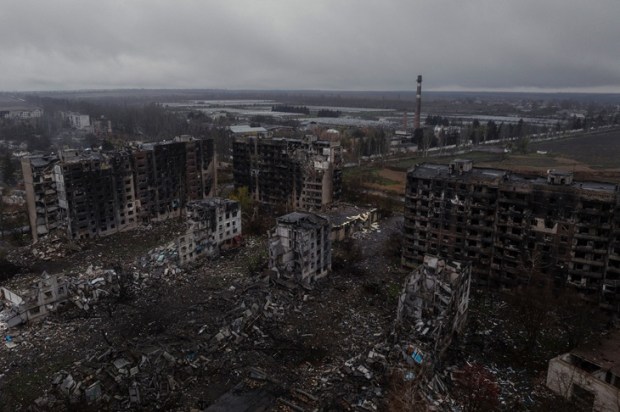
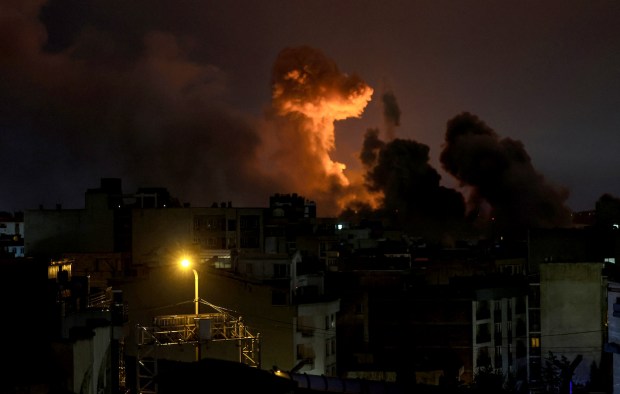
All of this while Moscow is trying to bomb Ukraine into complying with an unjust peace agreement. Over the past year, Putin has increased by threefold cruise missile, ballistic missile and Iranian-designed Shahed drone attacks on Ukrainian civilian population centres and energy infrastructure.
Complicating matters, Putin is offering Trump prospects for a lucrative business relationship between Moscow and Washington after hostilities cease, painting Ukraine as an obstacle to a shared US-Russian prosperous future.
Most European countries are rightly urging that any agreement include Nato Article 5-like security promises to Ukraine in addition to intelligence and logistical support from Washington. Such a deal needs to include a provision that if Ukraine is attacked in the future, Nato would send arms to Kyiv and institute a Nato-administered no-fly zone to provide aerial defence.
As part of a deal with Moscow, the Trump administration needs to advocate the basing of select Nato-members’ forces on Ukrainian soil on a permanent basis to deter Russian hostile acts.
According to former Nato Supreme Allied Commander Admiral James Stavridis, such an arrangement ought to consist of troops from the Nordic countries (Norway, Sweden, and Finland), the Baltics, as well as Poland, to be led by a three-star general of one of the participating states.
While Ukraine joining Nato is a nonstarter in current talks with Russia, providing Ukraine with military assurances from friendly states is a requirement for negotiations to succeed, and Kyiv ought to be granted immediate admission into the European Union.
While such an arrangement would mandate that Kyiv give up some land, it would be an acceptable deal that would allow Ukraine to preserve its autonomy and move forward to a brighter future.
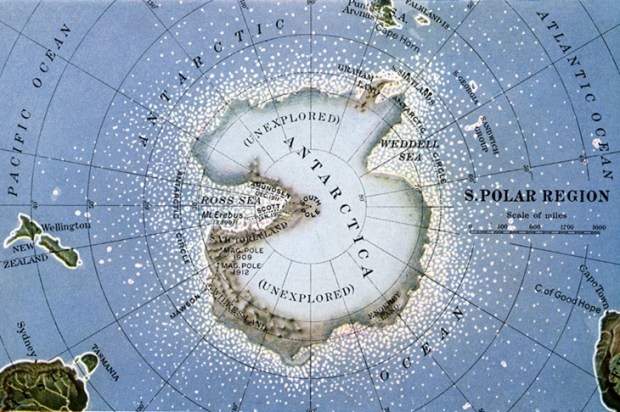
Similar to the Korean peninsula’s 38th parallel, the deal needs to formalise the militarised area currently stretching from Crimea in the south to the Donbas’ four provinces northward. The Ukrainian side would need the weapons systems and personnel necessary for guarding the area against a future invasion by Moscow and to serve as a tripwire in the event of a crisis.
It bears saying that the Ukraine-Russia peace negotiations are likely to take a while. Kyiv and the Trump administration would be well served to take their time to do their due diligence and resist urges for a quick settlement.
Ultimately, if reasonable terms with Putin cannot be struck, both Trump and Zelensky need to be prepared to walk away.
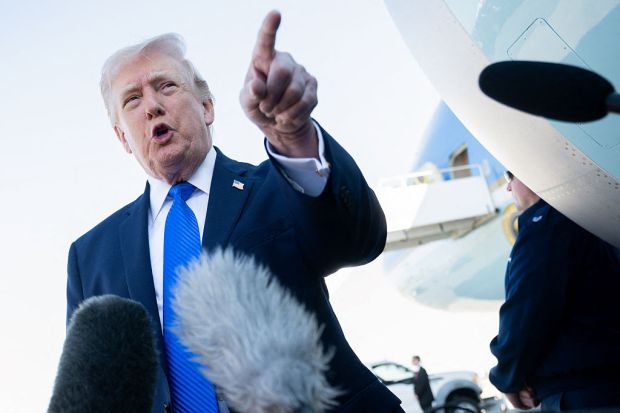
Yet, as political scientist Ian Bremmer has stated, President Trump appears determined to end the war regardless of the consequences. This is the reason Mr Trump is exerting such considerable pressure on Ukraine, the weaker party, and why Moscow’s negotiating terms have been maximalist.
Complicating matters, Zelensky is in a weakened state politically due to the alleged corruption scandal involving his former chief of staff, Andriy Yermak. Neither the Ukrainian public nor the Europeans are willing to agree to a deal on Moscow’s terms, and this forces Zelensky to take a hard stance in the talks.
This means that the war may continue for some time. Russia is expected to continue attacking Ukraine with impunity, Washington will probably refrain from implementing retaliatory measures against Moscow and the Europeans will take measures to ensure that Kyiv has the financial resources to defend their country.
Sadly, Washington’s lack of support for Ukrainian and European interests increasingly confirms Kyiv’s original concerns about Mr Trump’s 2024 re-election – that the war may very well end largely on Moscow’s terms.