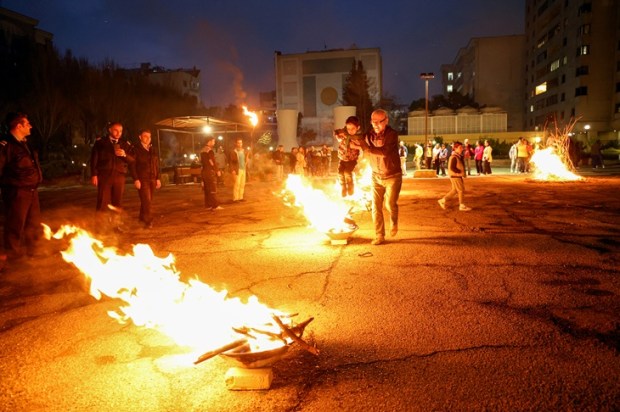
Chelleh Night, or Shab-e Yalda, takes place at the time of the winter solstice, around December 21, the longest night of the year. It is one of the oldest cultural traditions in Iran and in regions that were historically part of the Iranian cultural world. In ancient Iranian beliefs, this night symbolised the end of darkness and the beginning of the return of light and warmth a natural event of great importance for farming and pastoral communities.
In ancient Iran, people spent this night staying awake, gathering with family, celebrating, and waiting for dawn and the gradual increase of daylight. Eating red fruits such as pomegranates and watermelon, symbols of birth, fire, and light, was an important part of the celebration and remains common today. One ancient custom associated with this night was ‘praise-giving’ where people sat together, held hands, spoke openly about each other’s good qualities, and expressed appreciation. This ritual reflected human connection, kind speech, and hope for light.
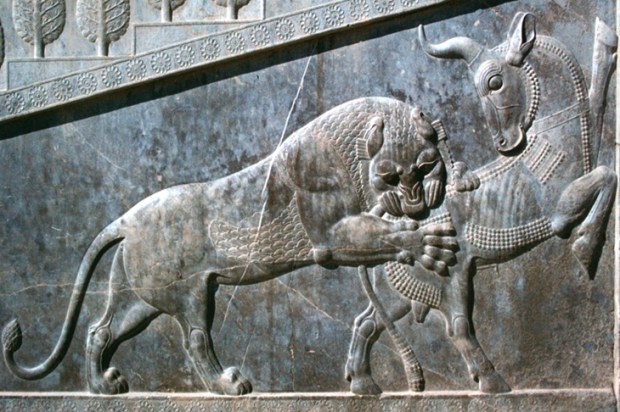
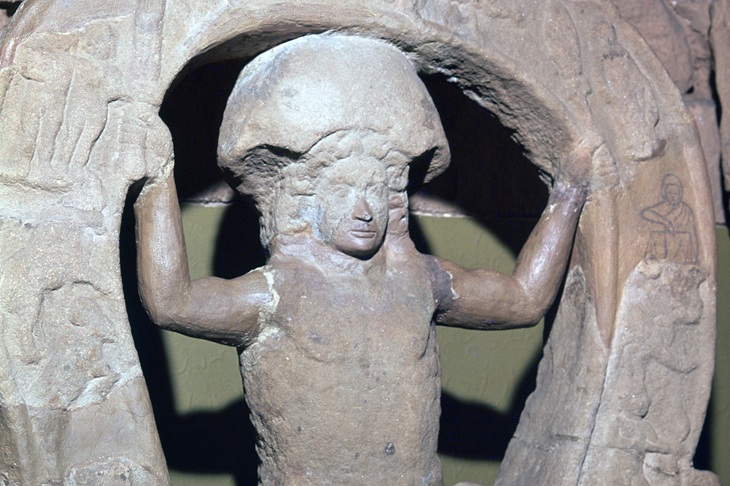
In the Mithraic tradition, one of the major spiritual and philosophical currents of ancient Iran, Mithra was a symbol of light, truth, covenant, and moral order. With the spread of Zoroastrianism and the establishment of monotheism, many elements of Mithraic beliefs were absorbed into the new religious framework. Nevertheless, reverence for light, fire, and brightness continued to play a central role in Iranian culture.
Some Iranian religious symbols and practices spread through Asia Minor into the Hellenistic world and later into the Roman Empire. In the centuries before and after the birth of Christ, Mithraism became especially popular among Roman soldiers, and Mithraic temples were built across the empire, from Italy to Britain and northern Europe. Archaeological discoveries, such as the Mithraeum found in London, show the wide influence of this tradition.
As Christianity gradually became the official religion of the Roman Empire, major cultural and religious changes took place. During this period, older symbols and dates were reinterpreted within a new framework. One important example is the choice of December 25 as the date of the birth of Jesus Christ in Western Christianity. Many scholars believe this date was selected to align with existing winter solstice festivals and ancient celebrations of light, rather than being based on direct biblical evidence. In contrast, some Christian traditions, such as Eastern Orthodox and Armenian churches, continue to observe January 6 as a significant holy day.
The difference between the date of Chelleh Night (around December 21) and Christmas (December 25) is largely the result of changes in calendar systems. The Julian calendar, introduced in ancient Rome, gradually accumulated errors, which were later corrected in the Gregorian calendar reform of the 16th Century. These changes shifted some seasonal dates by a few days without altering their symbolic meaning. Even the name ‘December’, derived from the Latin word for ‘ten’, reflects these historical calendar shifts.
Many symbols found in European winter celebrations, such as evergreen trees, lighting logs during cold nights, and an emphasis on light, hope, and generosity have roots in ancient traditions, including Mithraic and later Zoroastrian practices. These similarities should not be seen as one belief replacing another, but rather as the result of long-term cultural exchange and the transmission of symbols over time. In regions such as Mesopotamia and the eastern Mediterranean, religions and traditions have continuously influenced one another, often sharing themes like light, salvation, and the triumph over darkness.
Between December 21 and December 25, several important celebrations occur close together: Iranians celebrate Shab-e Yalda, Christians observe the birth of Christ, and Jews celebrate Hanukkah. Despite theological differences, all these festivals share a common theme honouring light and standing symbolically against darkness.
Today, Chelleh Night (Shabe Chelleh) in Iran is mainly a cultural and family celebration, not a religious obligation. It represents warmth, hope, human connection, and harmony with nature. Christmas, for Christians, is a deeply religious and spiritual celebration honouring the birth of Jesus Christ and his message of peace and love. Understanding the shared historical background of these festivals can help deepen cultural understanding and mutual respect, without challenging anyone’s religious beliefs.
Learning about these traditions offers an opportunity for dialogue, respect, and appreciation of the diverse cultural heritages that have influenced one another throughout history.
By Leila Naseri: Author | Composer | Social Cultural Activist