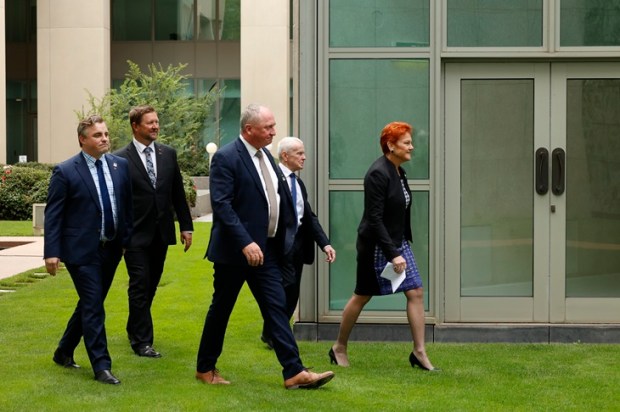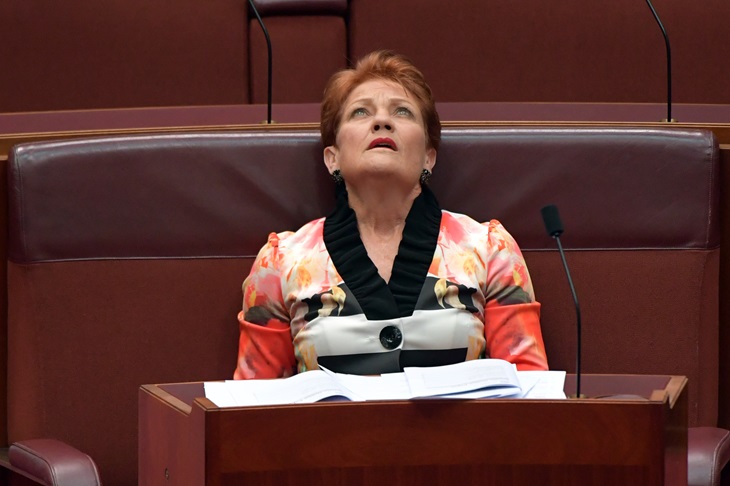
How convenient that Pauline Hanson is suspended from the Senate just as Black Friday sales kick off. Fingers crossed black kettles are on sale – never has Parliament served up such a textbook pot calling the kettle black moment.
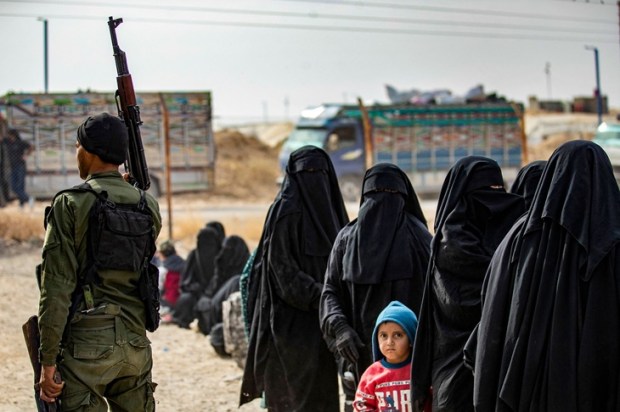
Hanson had proposed a private senators’ bill to ban full-face coverings in public, citing ‘national security’ and ‘women’s rights’. When the Senate refused, she returned wearing the very garment she sought to ban. Pandemonium followed.
Mehreen Faruqi called it ‘blatant racism and Islamophobia’. Fatima Payman said it was ‘disrespectful’ to Muslims. Lidia Thorpe demanded Hanson’s removal, branding her a ‘racist’ and claiming the chamber was unsafe. Government Senate leader Penny Wong moved the censure motion, noting Hanson had ‘mocked and vilified an entire faith’. The motion passed overwhelmingly: seven days’ suspension, no overseas delegations.
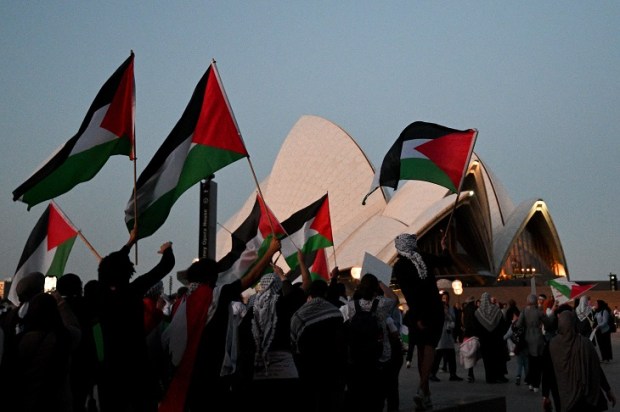
Yet, looking at recent years, especially since the October 7 Hamas attacks which killed 1,200 Israelis and took 250 hostages, the Senate has seen far worse without consequence. The keffiyeh has been repeatedly worn in Parliament. We have heard chants, ‘From the river to the sea, Palestine will be free!’ Elected officials have appeared with students holding signs that advocate for Jews to be thrown in the trash. And what of the politicians appearing front-row during the Sydney Harbour Bridge protest which featured Hezbollah flags?
Senator Thorpe threatened to ‘burn down Parliament House’, repeatedly uses ‘from the river to the sea’, likens Israel to a colonial oppressor, and constantly calls for Australia to be ‘decolonised’. Supporters frame her as amplifying Indigenous solidarity yet critics see this behaviour very differently.
None of the above has resulted in the censure or suspension of politicians.
The keffiyeh itself tells a story.
Originating during the 1936-39 Arab revolt as a symbol of Palestinian resistance, it concealed identities from authorities. The British tried to ban it back then, yet ironically, today it has taken over London. Yasser Arafat made it his trademark with the PLO since 1964, and during the intifadas, it was used to hide the identity of protesters. Now, it is paraded in Australia, often paired with rhetoric calling for Israel’s destruction.
Pauline Hanson sought to ban face coverings in public, the keffiyeh does the same job, except with far more political venom.
Hypocrisy runs deeper.
Figures across Teal, Labor, and Greens have used propaganda and other inappropriate commentary regarding the Jewish people and Israel, yet have faced no consequences.
Foreign Minister Penny Wong barely missed a beat condemning Israel for its fight against an existential threat and goal of freeing hostages.
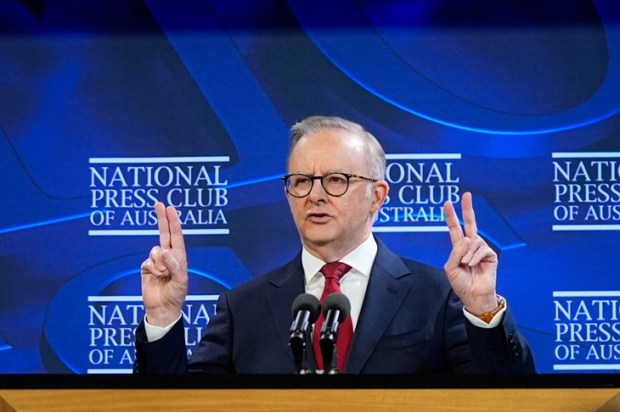
Prime Minister Anthony Albanese, in his youth, engaged in anti-Israel marches.
It could be said that those with Netanyahu or Trump Derangement Syndrome conveniently ignore that blaming Netanyahu for this war is not only wrong, but left-wing leaders have repeatedly failed to secure peace. Even the intifadas (violent uprisings involving suicide bombers) began under left governments. Clinton’s 2000 peace deal between Ehud Barak and Yasser Arafat collapsed; history is full of left-wing failures.
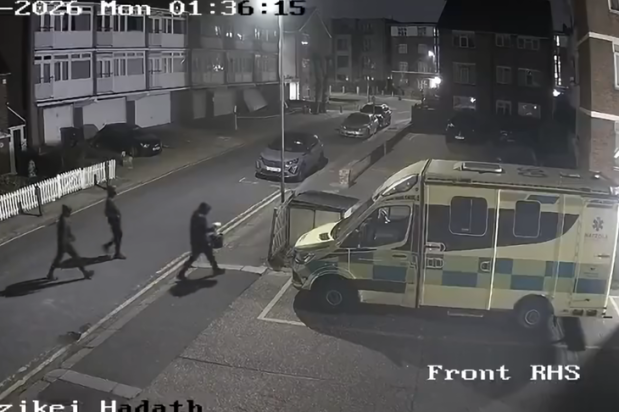
Meanwhile, antisemitic attacks on synagogues and Jewish property continue with astonishing leniency.
The double standard is obvious.
Attack a Jew: leniency. Wear a burqa in Parliament: instant suspension
Hanson’s stunt triggered censure and seven days out of the chamber, yet wearing a keffiyeh and making incendiary rhetoric passes without consequence. Parliament’s enforcement of dignity is selective, arbitrary, and politically convenient.
Is it any wonder Albanese’s self-appointed antisemitism envoy, Jillian Segal, delivered a report nearly a year ago that has since been sitting in someone’s drawer, with no action taken on its recommendations.
Australia faces an antisemitism and crime crisis, exacerbated by double standards in both politics and the courts. Violence, intimidation, and incitement against Jews continues unchecked, while provocative stunts involving Islam face immediate sanction.
The contrast is stark, and the Senate must confront this imbalance or risk legitimising antisemitism while policing symbolic gestures selectively. Until then, Parliament’s standards of dignity remain uneven, its enforcement arbitrary, and citizens are left to wonder whose rights truly matter. Ah, the kettle has boiled.