As inflation stumbles its way between 3 and 4 per cent and interest rates remain fairly steady, the question begs, are they successful in bringing down inflation in Australia?
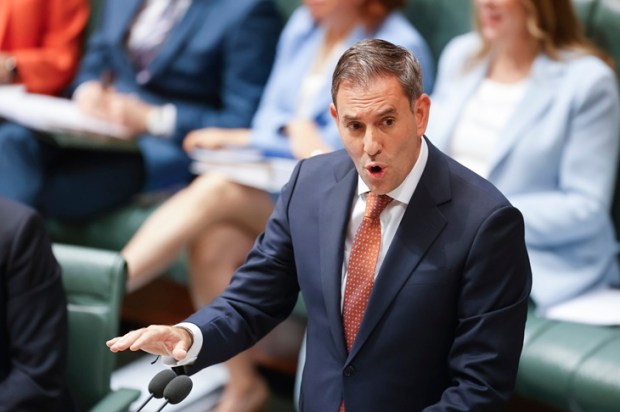
With fiscal policy at odds with monetary policy and the latter seemingly powerless, as a result of the rather restrictive parameters that have been set around it, it is next-to-near impossible for the Australian economy to emulate that of America, regardless of how much progressive economists might wish to try.
Risk aversion is risk creation in this context, and the lack of counter-intuition in such a respect is creating an environment that is unfortunately averse to progress.
Whatever your definition of progress is, I can guarantee that it is not inflation over and above the target range.
This approach is the equivalent of placing a bet on an individual to win Wimbledon, who has never picked up a racquet, and then crying when there aren’t any realistic results.
Another apt analogy would that of be the self-indulgent exam result expectation, which was preceded by no revision at all.
In an inert economic environment, my suggestions for the long term would be as follows: introduce more hedge funds in order to generate business as well as increased chances of lucrative revenue, which, of course, would only equate to more revenue in tax; decrease corporation tax to disincentivise money being strategically, but not illegally, being moved offshore, thereby increasing revenue through tax again; and remove the red tape on deals, enabling non-forced profits and reducing the risk of natural decline or disinterest.
The road to recovery is always a tricky one, however, the least ideal one is always going to be the slowest, as it often brings with it the greatest rate of wear and tear on a general population.
Given that fiscal policy is designed to serve the voting population in any democracy, if it is not doing so, customer service perhaps ought to be questioned.
Whilst the federal budget and deficits have certainly been reduced, it does not appear fair that this has occurred under the watch of inflation. When inflation becomes a convenient way for revenue to be increased at the expense of productivity, it soon ends up being apparent that such situations are not meant to be for the long term.
Investing in productivity initiatives and, ideally, the most ethical and expedient ones, is your sure option to get any economic hardship back on track.
What has happened has happened and delays have certainly not assisted the cause, however, the above three courses of action could certainly help.
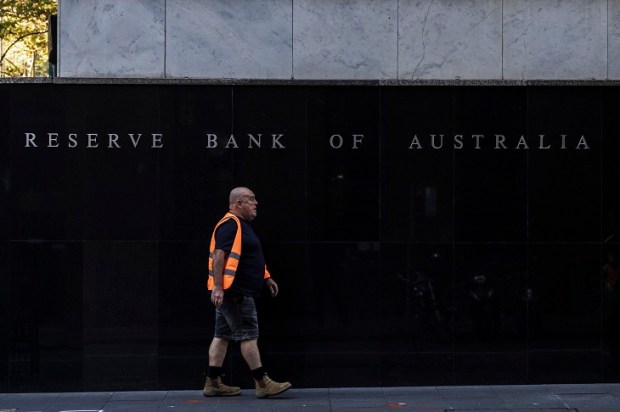
When monetary policy is confined by fiscal policy, a reserve bank has a close to impossible task to fulfil without walking close to coercion, as it will have effectively been isolated in a non-inclusive fashion.