Social history
When did you last see your siblings?
By the age of 18 we will have spent far more time with our brothers and sisters than we will ever spend again – suggesting that blood ties do not guarantee intimacy

Will the ‘bunny boiler’ tag continue to haunt single women?
From the femme fatale of noir to Fatal Attraction’s Alex, the unattached female has often been feared and scorned

The radical power of sentimentality
Ferdinand Mount identifies three distinct sentimental revolutions – in the 11th, 18th and 20th centuries – that transformed legal frameworks and social structures as well as hearts and minds

The gay rights movement threatens to implode
Tolerance pushed too far by LGBTQ+ demands may soon turn to intolerance, and legislation can be rolled back in the blink of an eye, warns Ronan McCrea

Dark secrets of the British housewife
Juliet Nicolson reminds us of how difficult it was, even in the 1960s, for women to admit to sexual frustration, abuse, extramarital affairs or alcoholism

Why would your dead daughter climb out of her grave to harm you?
John Blair investigates the bizarre phenomenon of ‘corpse-killing’, and the fear in 19th-century New England that children, post mortem, were under demonic control
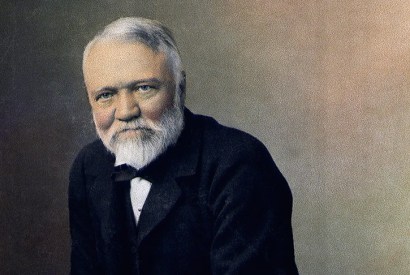
Progress is destroying the planet: the rants of a self-hating American
Poverty is increasing and freedom contracting, says Samuel Miller McDonald – and exploitative white Americans, from Abraham Lincoln onwards, are largely to blame
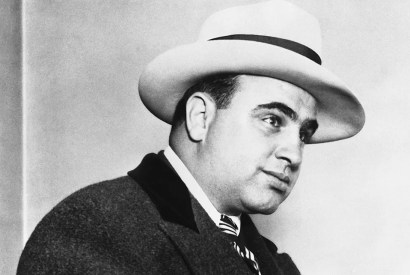
The insoluble link between government and crime
Taxes and prohibition invariably lead to evasion, racketeering and corruption in an endless capitalist cycle, says Mark Galeotti

What was millennial girl power really about?
In the 1990s and early 2000s, ‘empowerment’ was a girl’s watchword. But she was empowered primarily to be pleasing to men and, above all, never grow up
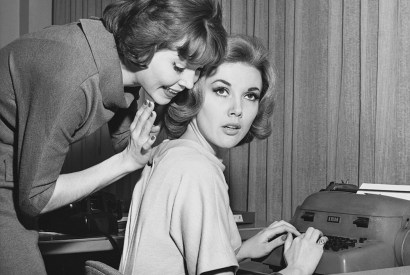
The rose-tinted view of female friendship shatters
Are women’s relationships with each other today more brittle and less supportive than in the past?

Is nothing private anymore?
We all need a place away from public view – but we should also remind ourselves why our privacy has been so invaded
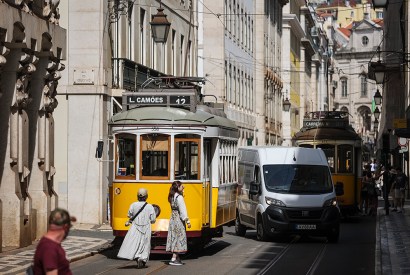
The fragility of the modern city reflects humanity’s vulnerability
The more complex the infrastructure, the more liable it is to break down – as was recently apparent in the blackout that brought Madrid and Lisbon to a standstill in April
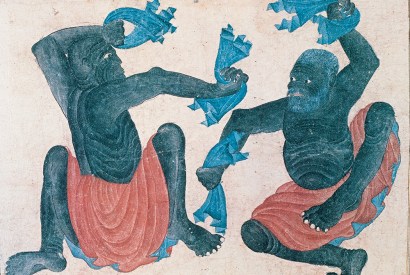
Why shamanism shouldn’t be dismissed as superstitious savagery
Our need for belief in the supernatural gave rise to a demand for ‘mystical intermediaries’, or shamans, forging man’s earliest religion from which all others developed, argues Manvir Singh

The magic of early radio days
Beaty Rubens takes us inside the British home 100 years ago as the glamorous new device becomes central to family life
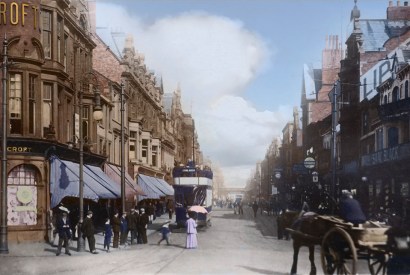
Nostalgia for the bustling high street is misplaced
Annie Gray is refreshingly unsentimental about the days when cooking for the family involved time-consuming visits to the butcher, the greengrocer and baker
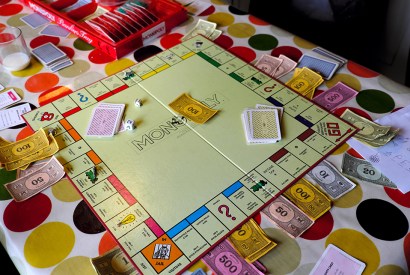
Playing Monopoly is not such a trivial pursuit
Games are politics you can touch, says Tim Clare, and a well-designed boardgame can provide a critical experience of society’s systems
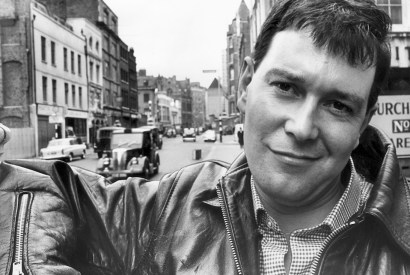
The demonising of homosexuals in post-war Britain
The tabloids in particular stirred up fear and distrust with lurid stories of orgies, prostitution, drug-taking, political corruption, sinister concealment and susceptibility to blackmail
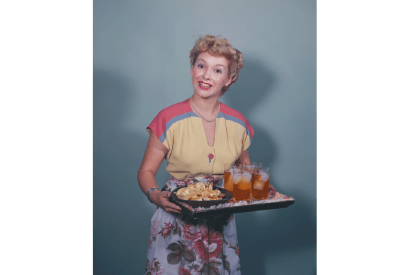
Potato crisps and the British character
Pickled fish. Lemon tea. Cucumber. Doner kebab. Stewed beef noodles. Salted egg. Soft shell crab. Coney island mustard. Smoked gouda.…

Falsifying history can only increase racial tension
Frank Furedi argues that historic memory is the key to the identity of any coherent community, and that attacking it undermines a population’s solidarity
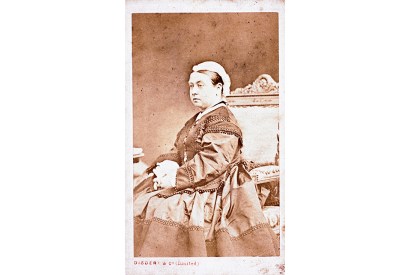
How cartomania captivated even Queen Victoria
The craze for photographic cartes de visite that swept Victorian Britain was further boosted by the Queen’s own enthusiasm for the format

The important business of idle loafing
Alain Corbin describes how rest, once seen as a prelude to eternal life, began to assume a therapeutic quality in the 19th century, as a guard against burnout and a cure for TB

Are we all becoming hermits now?
A new anthropological type is emerging, says Pascal Bruckner – the shrivelled, hyperconnected being who no longer needs others or the outside world
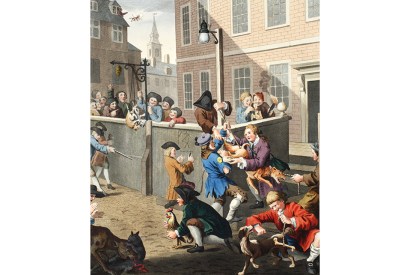
Scrawled outpourings of love and defiance
Examples of 18th-century graffiti range from romantic rhymes scratched on windowpanes to the haunting marks of political prisoners incised on dungeon walls

Why today’s youth is so anxious and judgmental
In a well-evidenced diatribe, Jonathan Haidt accuses the creators of smartphone culture of rewiring childhood and changing human development on an unimaginable scale

How much would your family stump up for your ransom?
Researching The Price of Life, Jenny Kleeman interviews Stephen Collet, who describes haggling for a year with the Somali pirates who kidnapped his sister in October 2009