Lead book review
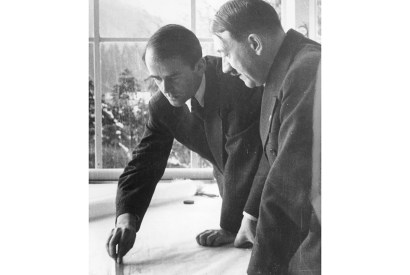
Why Hitler’s suave architect escaped the noose at Nuremberg
Albert Speer was treated leniently because he was softly-spoken, well-dressed and ‘much the most appealing’ of all the defendants, according to Telford Taylor, one of the prosecutors
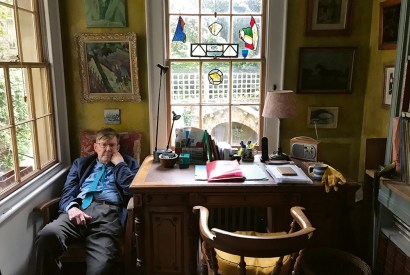
A revival of Alan Bennett’s early work is long overdue
Until the archive is made available, the diaries will have to do. But some superb dramas from the past century are sadly missed
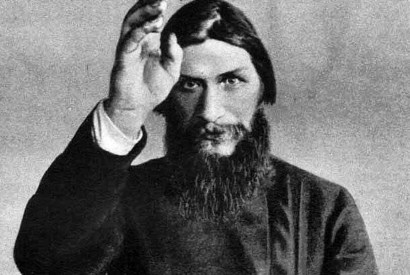
How an illiterate peasant changed the course of modern history
Grigory Rasputin was no Machiavelli but a simple, venal man who wielded an influence far more dangerous than he could ever comprehend
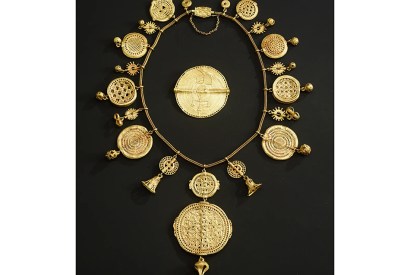
The curse of gold for the Asante nation
Vast quantities of gold recovered from the alluvial riverbeds of west Africa attracted the attention of British colonialists, leading to ruthless pillage throughout the 19th century
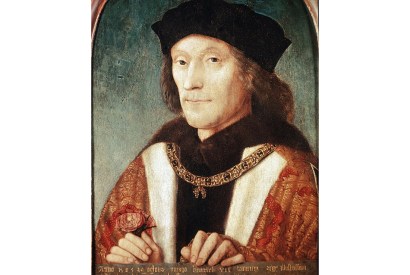
‘He never drew a peaceful breath’: the tormented life of Henry VII
The challenges faced by the minor Welsh earl with tenuous claims to the English throne shattered his health, weakened his grip on affairs and eventually lost him the trust of his subjects
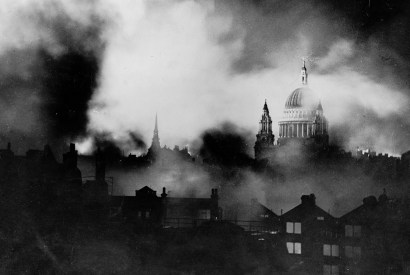
Blitz spirits: Nonesuch, by Francis Spufford, reviewed
Set in war-torn London, this fantastical novel featuring shape-shifting angels, parallel universes and a homicidal female fascist deserves to be a colossal success

Rupert Murdoch’s warped vision of family
The absentee father, who always put his media empire first, enjoyed playing his children off against one another – with crippling consequences
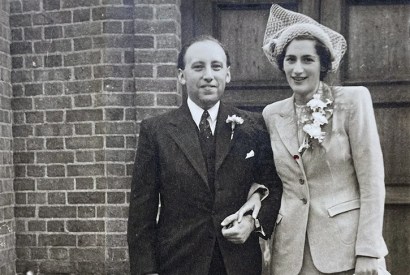
Forgetting was the best defence for the Kindertransport refugees
Alfred and Doris Moritz remained largely silent about their persecution in Nazi Germany, having tried their best to erase the memory, according to their son Michael

Leonardo Sciascia and the reshaping of the detective novel
Crimes go unpunished while injustice is upheld and truth perverted. Such is the Mafia reality, according to the saturnine Sciascia
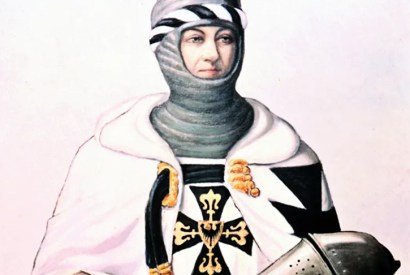
Imposing Christianity on Europe’s last pagans
The heroic deeds of the Teutonic knights were once part of Germany’s foundational myth. Now the black cross is associated with the swastika and Hitlerian schemes of expansion
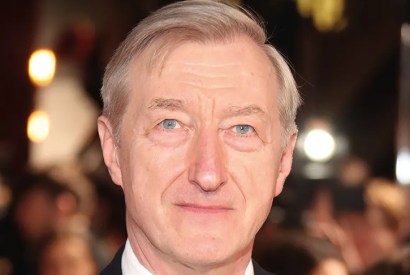
The last chapter: Departure(s), by Julian Barnes, reviewed
Aged 80, the Booker prize-winning novelist bids farewell to his devoted readers in a masterpiece of narrative trickery
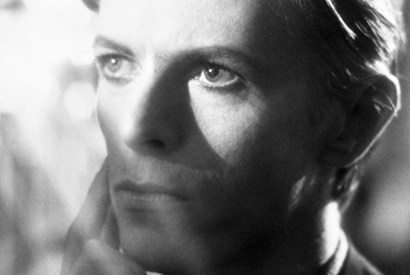
The spiritual yearnings of David Bowie
Gnosticism was one of Bowie’s lifelong obsessions and the outer reaches of religious thought inspired many of his lyrics

Carlo Scarpa’s artful management of light and space
The startling interventions and adaptations of a great 20th-century Venetian architect and designer are examined in detail by Federica Goffi
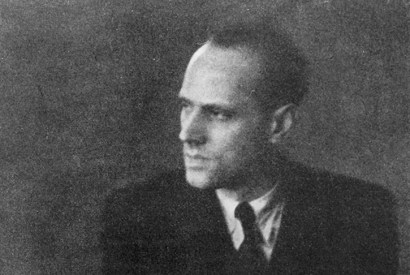
The extraordinary courage of Germany’s wartime ‘traitors’
With Nazi informers everywhere, any dissident risked betrayal – and the prospect of being hanged ‘like slaughtered cattle’ for ‘defeatism’
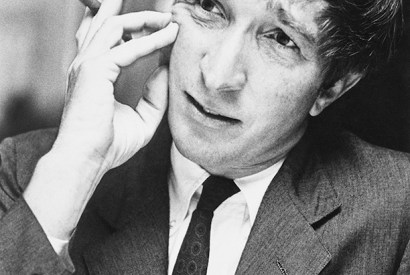
John Updike’s letters overflow with lust, ambition, guilt and shame
‘Affairs are cruel, and if they are sin, they carry the punishment with them’, he wrote to one of the many women he cheated on throughout a long life
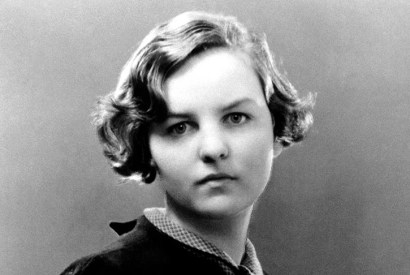
Jessica was the only Mitford worth taking seriously
But her unfailing humour does help lighten a solid new biography that focuses on her tireless campaign for social justice

Is ‘wind drought’ the latest climate catastrophe?
In an enjoyable guide to wind-related topics, Simon Winchester reports that terrestrial wind speeds are mysteriously declining and we are now in the grip of ‘the Great Stilling’

What do Oscar Wilde, Gwen John and Evelyn Waugh have in common?
They converted to Catholicism in the past century and are among 12 notable ‘defectors to Rome’ examined by Melanie McDonagh
Books of the Year II – further recommendations from our regular reviewers
Popular choices include: Look Closer, by Robert Douglas-Fairhurst; Clown Town, by Mick Herron; The Finest Hotel in Kabul, by Lyse Doucet

Books of the Year I – chosen by our regular reviewers
Popular choices include Merlin Holland’s After Oscar, Ian McEwan’s What We Can Know and Vincenzo Latronico’s Perfection
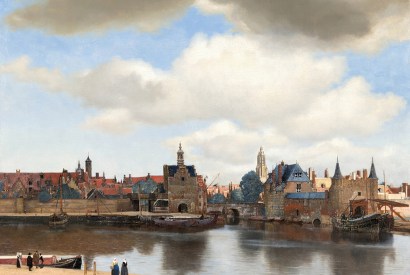
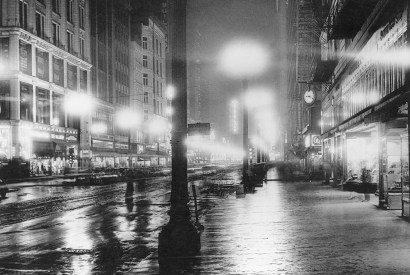
Funny, absorbing and as noir as noir can be: Thomas Pynchon rides again
The elusive novelist’s latest starts off complicated and then rapidly gets more so with its knot of gangsters, thugs, wacky inventors, spies, cops, political operatives and their accomplices

Robin Holloway lambasts some of our most beloved composers
Works by Strauss, Holst, Rossini, Schoenberg and Wagner are all targeted, while Hildegard of Bingen’s music is pronounced a ‘psychedelic bore’
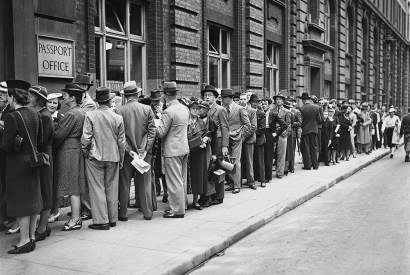
Since when did the English love to queue?
Far from being an ancient trait, the ‘irksome novelty’ dates from 1939, according to Graham Robb – whose idiosyncratic history of Britain corrects many erroneous beliefs

The young Tennyson reaches for the stars
Richard Holmes describes how the poet’s early fascination with science – astronomy and geology in particular – would have a lasting influence on his writing