A clear vision of Walter Gropius the man is hard to come by
Walter Gropius (1883–1969) had the career that the 20th century inflicted on its architects. A master of the previous generation…
How Calouste Gulbenkian became the richest man in the world
Whenever I find myself visiting some great historic house, I always like to break off from gawping at tapestries to…
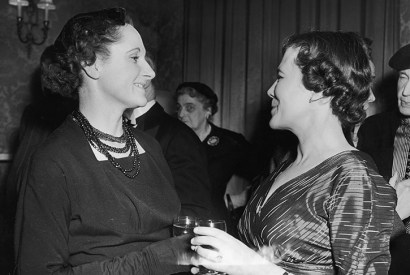
Lonely hearts and guilty minds: the world of Pamela Hansford Johnson
The revival of interest in mid-20th century novelists is one of the most positive and valuable developments of our time.…
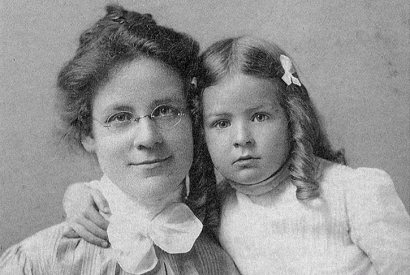
The personality test that conned the world
The other day in the Guardian’s Blind Date column, two participants, or victims, finished off an account of their frightful…
![Photograph of an almshouse waif by Lewis W. Hine, entitled ‘Little Orphan Annie in a Pittsburg Institution’ (1909) [Bridgeman Art Library]](https://www.spectator.com.au/wp-content/uploads/2018/08/bookslead4aug.jpg?w=410&h=275&crop=1)
‘I am not a number’: the callous treatment of orphans
Orphans are everywhere in literature — Jane Eyre, Heathcliff, Oliver Twist, Daniel Deronda, and onwards to the present day. They…
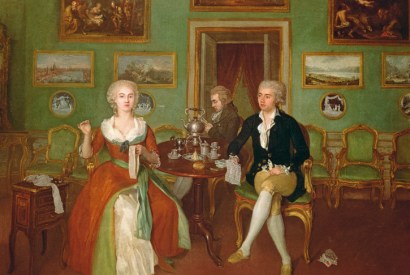
The short step from good manners to lofty imperialism
In the gap between what we feel ourselves to be and what we imagine we might in different circumstances become,…
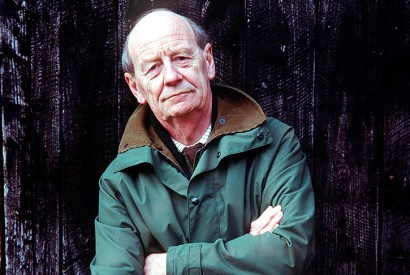
The wilder shores of excess in William Trevor’s fiction
A very prolific and long-standing writer of short stories reveals himself. William Trevor, who died in 2016, owned up to…
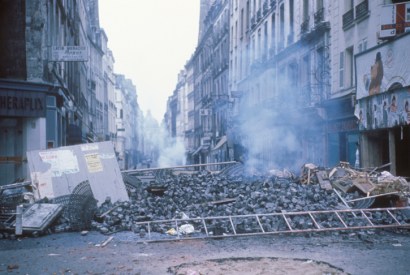
1968 and the summer of our discontent
’68 will do as shorthand. Most of ’68, as it were, didn’t happen in 1968. It was, at most, the…
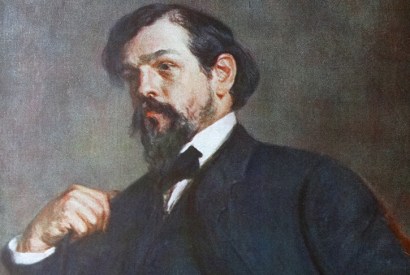
Debussy: the musical genius who erupted out of nowhere
At the end of his study of Debussy, Stephen Walsh makes the startling, but probably accurate, claim that musical revolutionaries…

The murder of a harmless Hampstead eccentric remains shrouded in mystery
‘True crime’ is a genre that claims superiority over imagination, speculation and fantasy. It makes a virtue of boredom and…
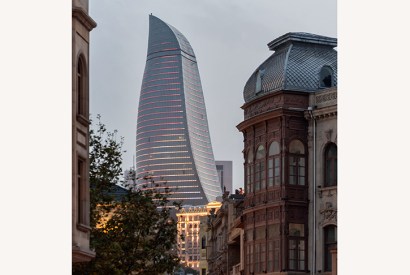
Reading Norman Davies’s global history is like wading through porridge
For many of us, life has become global. Areas which were previously tranquil backwaters are now hives of international activity.…
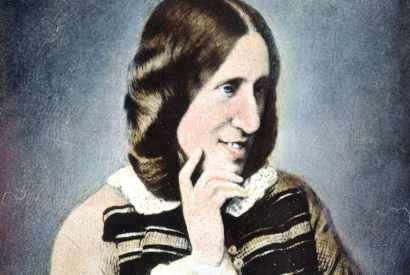
Romance and rejection
‘Outsider’ ought to be an important word. To attach it to someone, particularly a writer, is to suggest that their…
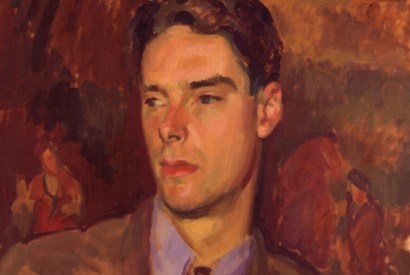
Of his time
Great novelists come in all shapes and sizes, but one thing they all share is a status of half-belonging. If…
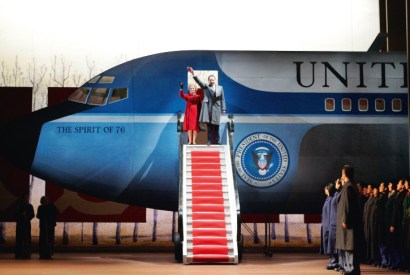
Whatever happened to Alice?
In 1987, the art of opera changed decisively. John Adams’s opera Nixon in China was so unlike the usual run…
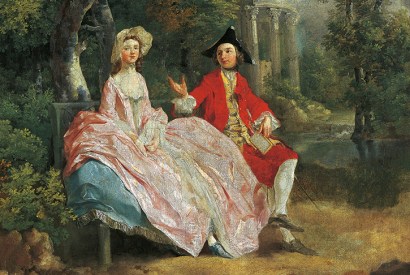
A dazzling vision
There are a number of reports by his contemporaries of Thomas Gainsborough at work. They make you realise what a…
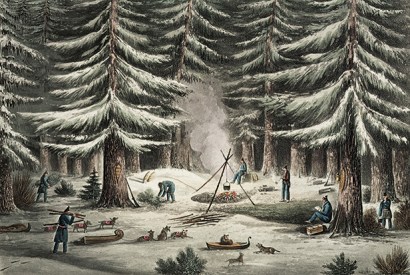
Wise women in wikuoms
You can’t see the wood for the trees in Annie Proulx’s epic novel of logging and deforestation in North America, says Philip Hensher
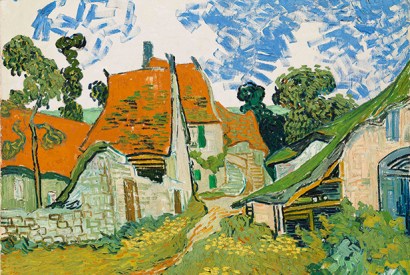
The spaces in between
An unfinished painting can provide a startling glimpse of the artist at work. But the common tendency to prefer it to a finished work is being taken to extremes, says Philip Hensher
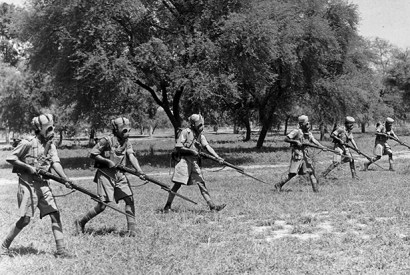
‘Help the British anyhow’
The sacrifices made by India on the Allies’ behalf in the second world war would profoundly affect the country’s future for better or worse, says Philip Hensher
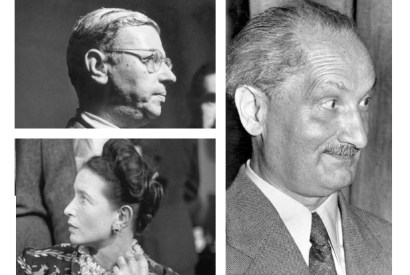
‘Existentialism? I don’t know what it is’
We all carried their philosophy around in our youth, says Philip Hensher. But did anyone — including the existentialists themselves — really understand it?

Tawdry tales of Tinseltown
This collection of Hollywood tittle-tattle is moderately interesting, unpleasantly salacious and largely unsourced, says Philip Hensher
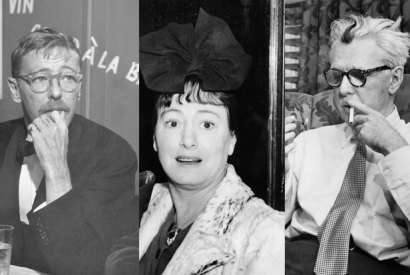
A touch of class
The New Yorker has always been revered for the supreme quality of its writing, says Philip Hensher
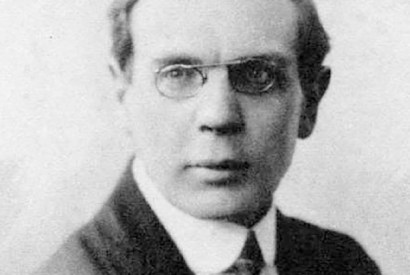
Charles Williams: sadist or Rosicrucian saint?
Charles Williams was a bad writer, but a very interesting one. Most famous bad writers have to settle, like Sidney…
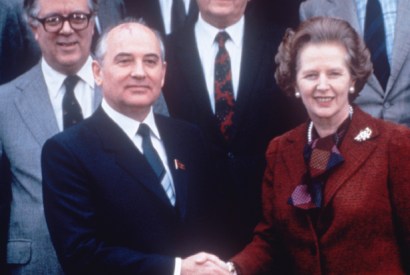
Margaret Thatcher’s most surprising virtue: imagination
Margaret Thatcher’s second administration saw bitter divisions at home, but abroad the breakthrough in Anglo-Soviet relations really did change history, says Philip Hensher
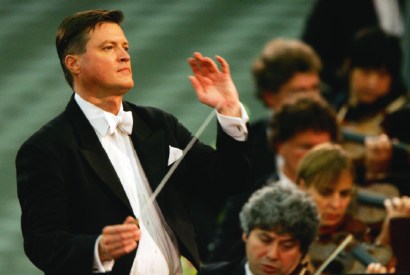
Wholly German art
Philip Hensher admires an old-fashioned conductor who unashamedly favours the great German composers — and Wagner in particular
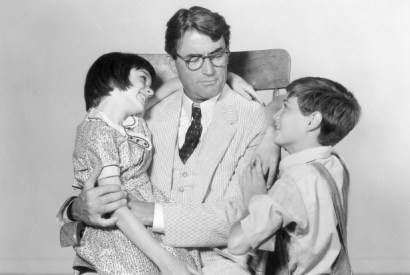
A bad novel on the way to a good one
Philip Hensher on the tangled history of To Kill a Mockingbird’s much-anticipated ‘sequel’