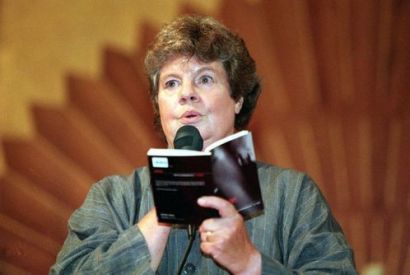
The brilliance of A.S. Byatt lives on in her writing
Dame Antonia Byatt, the novelist A.S. Byatt, has died after a long illness. With her goes part of the conscience…

How has the Conservative party’s ‘Dr No’ escaped everyone’s notice for so long?
This malevolent figure has been at the centre of the party for more than 40 years, says Nadine Dorries. But nothing in The Plot bears much relation to reality
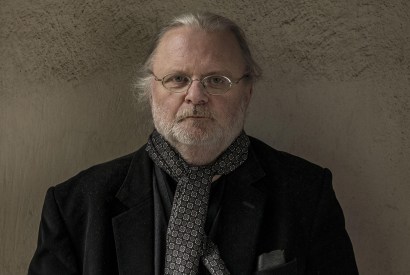
Why did Jon Fosse win the Nobel Prize for literature? It’s baffling.
If Jon Fosse’s novels are experimental, they are experiments in exhausting banality, says Philip Hensher
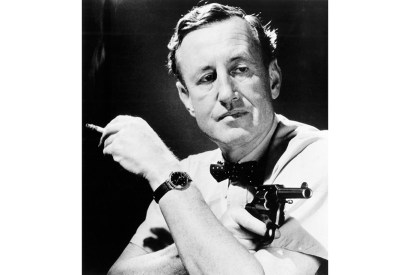
Scent and smoke and sweat
The world would never be quite the same again after we first glimpsed the casino of Royale-les-Eaux at three in the morning, says Philip Hensher
Click bait
Confessions of a Lego addict
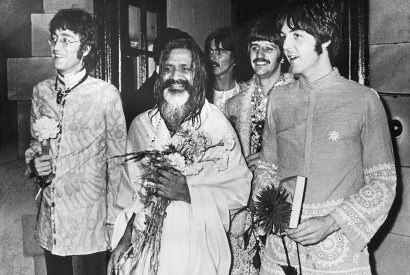
Eastern promises
Many suspect mystics have exploited naive westerners in search of spiritual enlightenment over the past century, Philip Hensher discovers
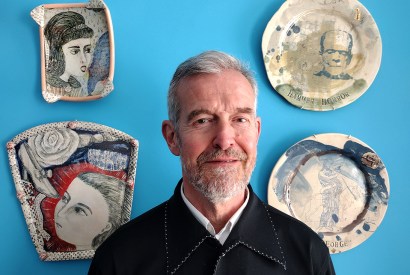
Cheerful meanderings
Now established in Cambridge, John Cromer embarks on a whirlwind of small adventures, testing our patience, if not our sympathy, with his extensive digressions
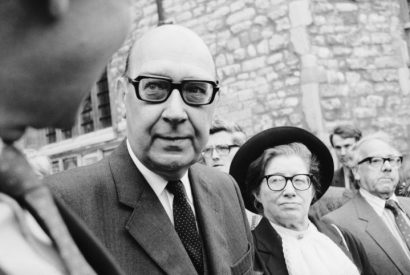
Philip Larkin, the Poet Laureate who never was
We’ll never know if Philip Larkin, one of the greatest English poets of the twentieth century, would have been a…
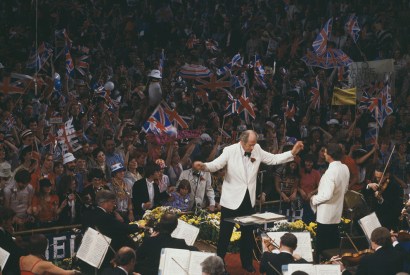
Comparing notes
The changing face of the BBC Proms
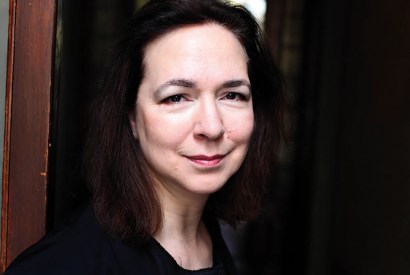
The art of the impossible
A corpse comes back to life and goes on a road trip. Lorrie Moore’s powerful new novel leaves Philip Hensher shaken, troubled, but also consoled
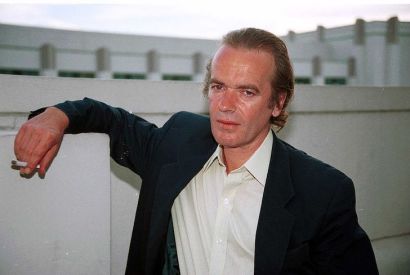
The confrontational genius of Martin Amis
Martin Amis had impeccable timing, as anyone who looks at his sentences, paragraphs, chapters, books ought to admit. He died…
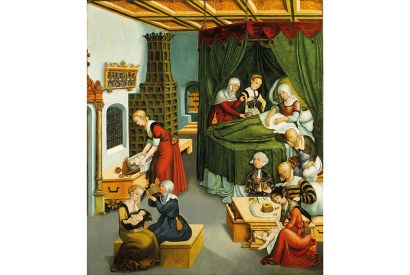
A veil of obscurity
Philip Hensher discusses how words relating to women’s ordinary experiences have been shrouded in euphemism over the centuries
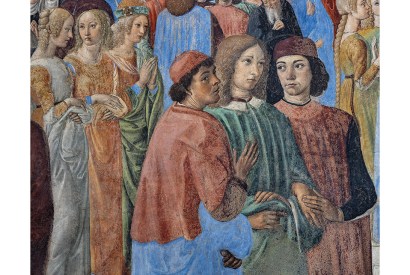
Children of humanity
Philip Hensher admires the humanists of the past, and finds them consistently kinder, more decent and generous than their contemporaries
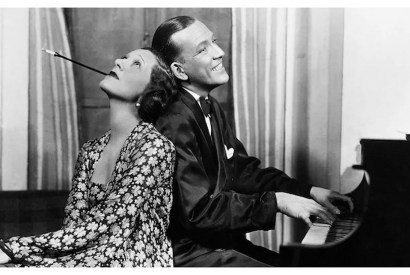
In the steps of the Master
Philip Hensher follows Noël Coward from precocious childhood to the vortex of fame

‘Not really big on books’
What makes the Duke of Sussex believe he can lead a charge against practitioners of the written word, wonders Philip Hensher
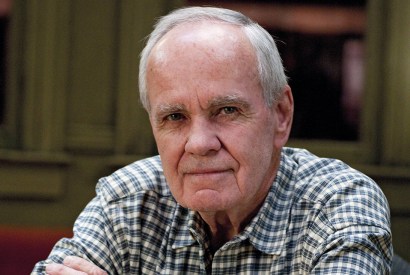
Sunken wreck
A great talent is wasted in Cormac McCarthy’s meandering tale of a mysterious plane crash and its aftermath, says Philip Hensher
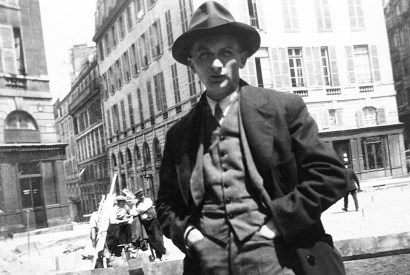
His own worst enemy
The Radetzky March must be one of the dozen greatest European novels – but its author was frighteningly unpleasant, says Philip Hensher
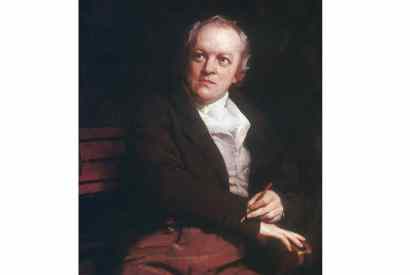
What bow – and why is it burning?
‘Jerusalem’ may be our unofficial national anthem, but don’t ask anyone who sings it to tell you what it means, says Philip Hensher
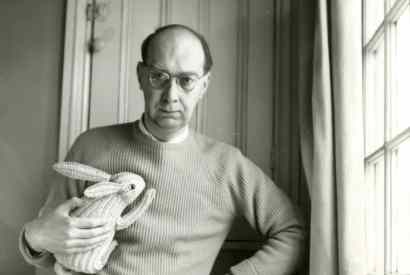
The intense Englishness of Philip Larkin
The English language has a curious feature, called the phrasal verb. It consists of a plain verb plus a preposition;…
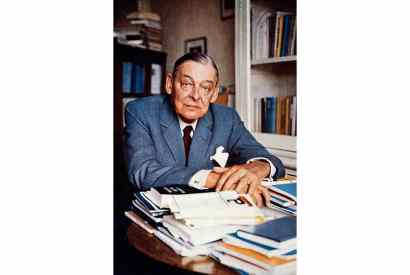
Will the world forsake him?
Cracks are beginning to appear in T.S. Eliot’s once unassailable reputation, says Philip Hensher

More fevered speculation
Royal gossip is largely invented, says Philip Hensher – but Tina Brown repeats it regardless
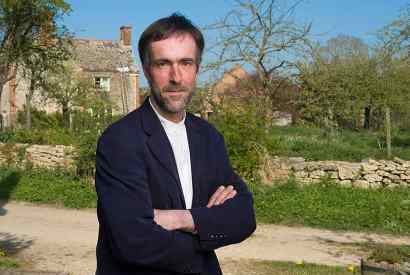
From the Gauls to the Gilets Jaunes
Philip Hensher is enthralled by Graham Robb’s evocative new history of France
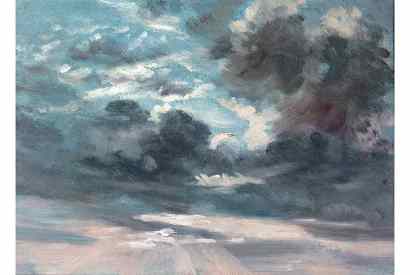
Force of nature
Philip Hensher describes how John Constable’s energy and imagination freed British art from the constraints of the past
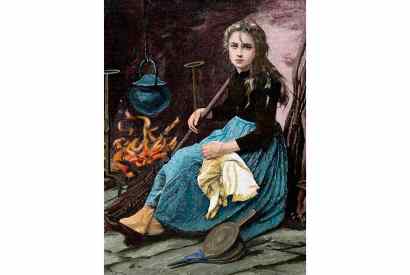
Once upon a time, long, long ago
Philip Hensher explores the origins of fairy tales