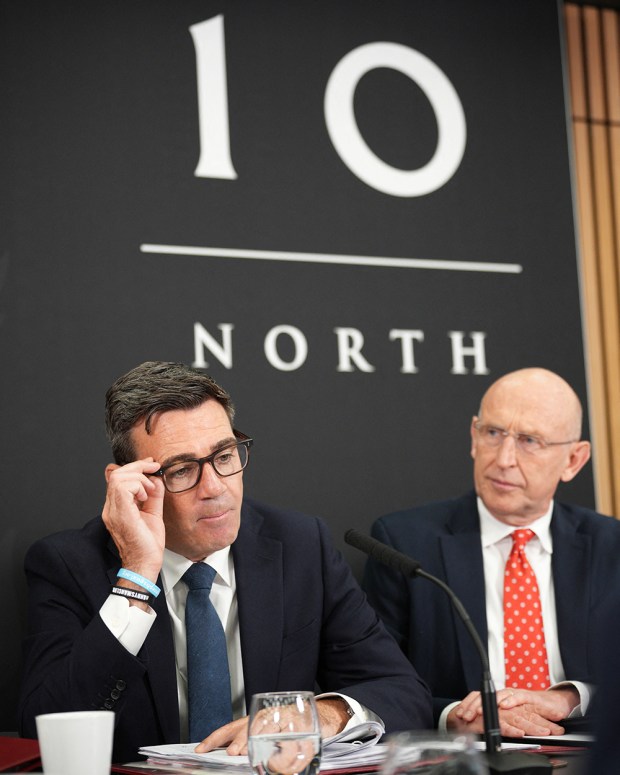
We currently know more about what Count Binface would do in power than Andy Burnham. The joke candidate in the Clacton by-election has published a manifesto that goes into considerably greater detail about what the government’s priorities should be than anything we have yet heard from the man who becomes our prime minister on Monday. Those preparing for a new administration, including the Parliamentary Labour Party and the Civil Service, have had to rely on speculation and briefings to the press. There is no better guide to what we might expect than the analysis of our own political editor, Tim Shipman, in his article.
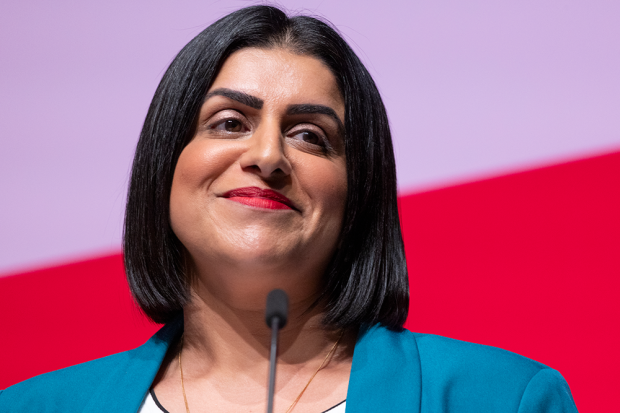
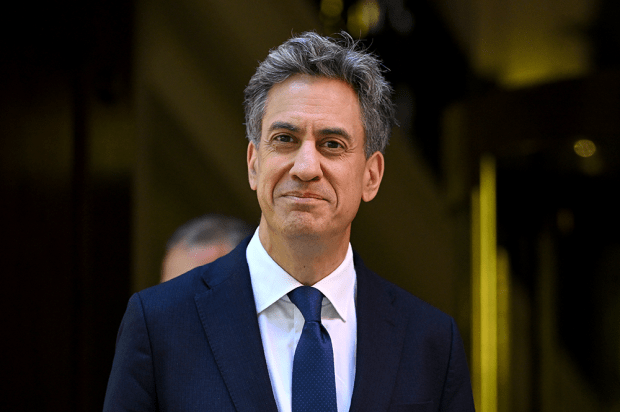
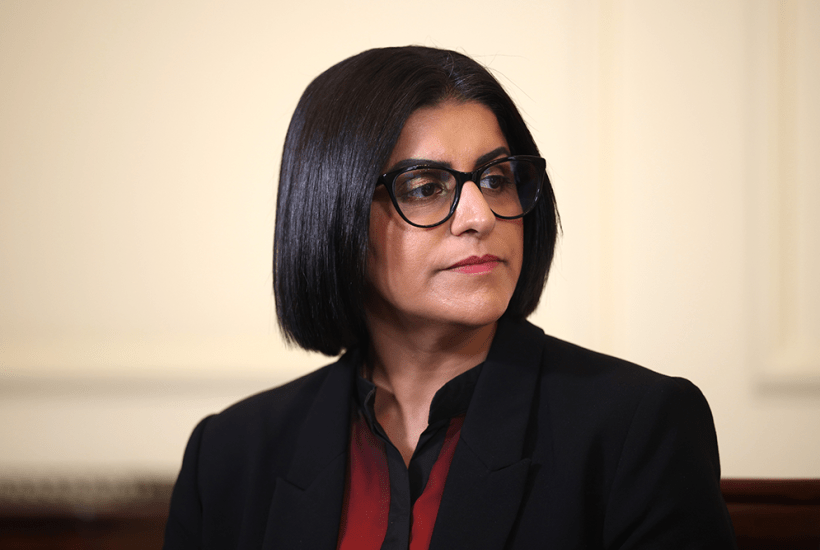
He reports that the incoming premier has a high opinion of the Home Secretary, Shabana Mahmood. That reflects well on him. He is, apparently, minded to promote her yet higher still and install her as his chancellor. There is no doubt that she would run the Treasury better than most of the other candidates, such as Ed Miliband. But Burnham should look elsewhere for his chancellor, perhaps towards the hawkishly inclined Work and Pensions Secretary, Pat McFadden. This is not because Mahmood is second best for any role, but because she is far and away the best person to finish what she has started at the Home Office and reform our broken immigration system.
Even the windily irresolute Keir Starmer knew that we needed to restore sanity to our border controls. He may have quickly rowed back on his comments about uncontrolled migration making Britain an ‘island of strangers’ over fears he might have said something that voters actually agreed with, but under him Mahmood was empowered to show resolution in not just stopping the flow of new arrivals to these shores but also reversing recent failures in legal migration.
Small boat arrivals are humiliating enough, but between 2021 and 2024 an additional 2.5 million people moved to Britain. Ministerial blindness and departmental errors meant up to 50 times more people arrived on health and social care visas than expected. Loose rules around bringing dependents meant there was a ratio as high as 15:1 for every worker for certain countries. Plans to reform this system began under James Cleverly and Robert Jenrick. But Mahmood wants to tighten the rules around Indefinite Leave to Remain (ILR), which is currently granted after a migrant has been in Britain for five years, entailing access to benefits, eligibility for social housing and citizenship for children, at the cost of billions for taxpayers. Mahmood also wants to restrict the ability of asylum seekers to stay permanently and smooth the deportation of illegal arrivals and foreign-born criminals, such as Shabir Ahmed, the Rochdale grooming gang ringleader.
These measures are right. But they are far from popular among Mahmood’s Labour comrades and the risk is that Burnham may seek to appease his backbenchers by either moving policy, or Mahmood, or both.
Nearly 80 Labour MPs have signed a letter calling for the Home Secretary’s policies to be watered down. A poll of party members taken by LabourList in April ranked Mahmood as the least popular cabinet minister, with a favourability rating of minus 12. A mooted ‘compromise’ would see 1.6 million of the migrants who have arrived since 2021 gain ILR after five years, rather than the ten years Mahmood proposes, but not be eligible for benefits until several years after that. But this would merely delay the burden on the taxpayer and do nothing to fix the breach between politicians and the electorate, who have voted for reduced immigration at every available opportunity.
Mahmood’s critics are missing what she calls her ‘moral mission’. She has argued that Britain’s multi-racial democracy has been disrupted by the pace and scale of recent immigration. Social tensions will only be eased and tolerance extended if there is confidence that ministers know who is arriving, that extremists and criminals are kept out and that control can be imposed when required. In her words, ‘safety is a precondition of the open, tolerant, generous country that we want to be’.
There is also a political logic. Immigration remains one of the electorate’s leading priorities. Nigel Farage may be distracted by Clacton, myriad investigations and the mourning of Ann Widdecombe, but Reform still tops the polls. There is no path to re-election for Labour that does not involve pushing back the teal tide. As one senior Labour figure recently put it, immigration failures outrage voters. They are a clear sign that the UK ‘isn’t functioning properly’; we must ‘get back to a sense of order’.
The Home Secretary is far and away the best person to reform our broken immigration system
That figure was Burnham. On his long and winding road from Manchester to Downing Street, the next prime minister has shown the same, to put it generously, breadth on immigration as he has on everything from Labour’s fiscal rules to rejoining the EU, from transgender rights to the Waspi women. When Angela Rayner in March branded Mahmood’s reforms ‘un-British’, Burnham suggested Labour would ‘do well to listen to what [Rayner] has got to say’. But last month when it came to facing the voters of Makerfield – a constituency that voted 65 per cent Leave in 2016 – Burnham hailed the Home Office’s successful deportations and said ministers must ‘go further’. As a new MP, Burnham voted in favour of Mahmood’s immigration bill last Monday.
There is no guarantee that Burnham will remain firm. With so much unclear – perhaps even to himself – about what he intends to do, it is unknown whether Mahmood will remain at the Home Office. If she goes, the pressure to capitulate will be immense. Were Burnham to fold, he would begin his premiership in the same appeasing spirit of his predecessor. For the sake of the country, and his reputation, he should ensure Mahmood has indefinite leave to remain at the Home Office.
Got something to add? Join the discussion and comment below.
You might disagree with half of it, but you’ll enjoy reading all of it. Try your first month for free, then just $2 a week for the remainder of your first year.