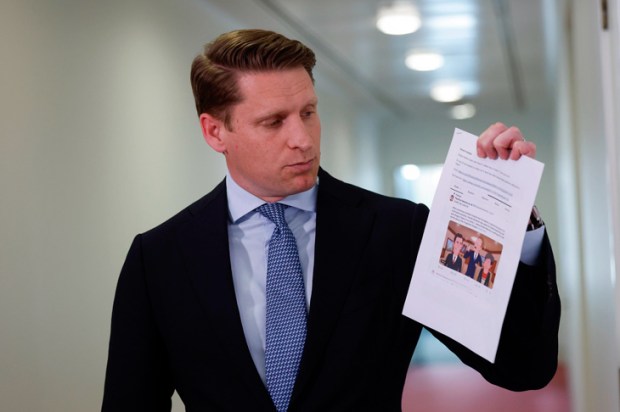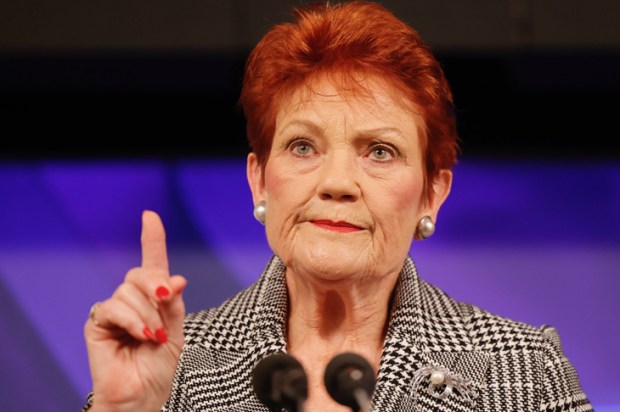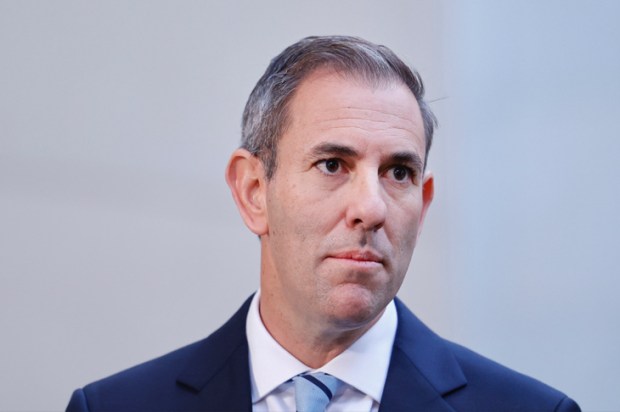
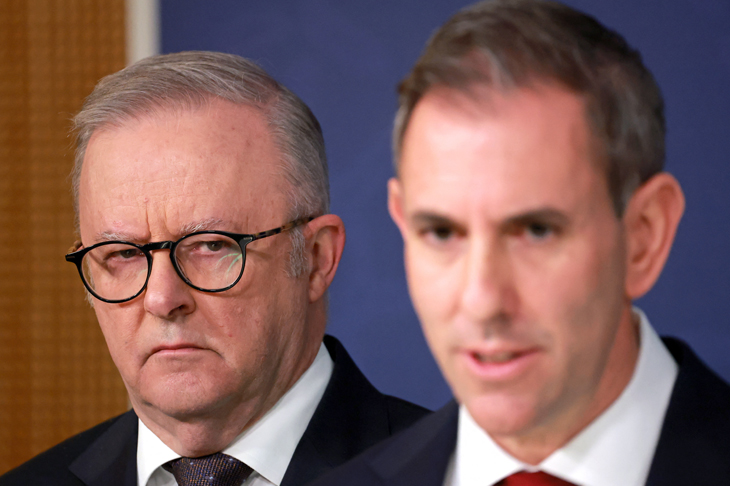
More than two months after Treasurer Jim Chalmers delivered his budget, the warnings keep coming. Mr Chalmers ignored Opposition leader Angus Taylor’s criticism. He now appears equally unwilling to listen to a growing chorus of investors, economists, the Productivity Commission, the Parliamentary Budget Office and even lifelong Labor voter and comedian Dave ‘Hughesy’ Hughes, who calls the budget ‘an absolute disgrace’, and says the response from audiences has been unlike anything he has experienced.
Of particular concern are the warnings from those responsible for creating Australia’s future wealth. The Australian Investment Council, whose members collectively invest about $120 billion annually through venture capital, private equity and superannuation funds, has warned Treasury that the government’s capital gains tax changes threaten “innovation, productivity and national investment”. Investors say the changes will drive investment in industries such as artificial intelligence and defence offshore, precisely when Australia should be strengthening its sovereign capabilities.
The Productivity Commission also issued a warning. Billions of dollars poured into renewable energy have coincided with weak productivity growth, while households continue to pay higher electricity bills. Meanwhile, CSIRO and the Australian Energy Market Operator forecast that electricity generation costs will rise sharply as ageing coal-fired power stations are replaced with unreliable renewables in pursuit of net zero.
Then comes the Parliamentary Budget Office with perhaps the bleakest assessment of all. Unless spending is brought under control, there is little prospect of both balancing the budget and delivering meaningful income tax relief over the next decade. Instead, Australians will shoulder an ever-growing share of the tax burden as personal income tax becomes an increasingly dominant source of government revenue.
For Australians already struggling with the cost of living, these are not abstract economic debates. Productivity is what ultimately determines wages, living standards and the government’s capacity to fund essential services without imposing ever-higher taxes. When investment is discouraged, businesses stagnate, contract, close down or move offshore, innovation suffers, and fewer opportunities are created for workers.
Housing provides another example of how good intentions can produce bad outcomes. Labor presented its changes to negative gearing and capital gains tax as measures to improve intergenerational equity. Instead, they have further distorted an already dysfunctional market. Investors have shifted towards new housing, increasing competition for first-home buyers, while rental vacancies remain tight and rents continue to rise far faster than Treasury anticipated. At the same time, the government’s agreement with the Greens to prevent property investment through self-managed superannuation funds has further reduced investment options, exacerbating the underlying causes of Australia’s housing shortage.
One poor policy can be corrected. But when tax, energy, housing and spending policies all pull against investment and productivity at the same time, the cumulative damage becomes much harder to reverse.
These are not isolated criticisms. They point to the same underlying problem. Australia is making it harder to invest, harder to produce and harder to grow. Slower productivity means slower wage growth, weaker investment, lower living standards and, ultimately, higher taxes.
Governments cannot tax their way to prosperity. They must first create the conditions that allow prosperity to emerge.
The danger for Australia is not simply that Labor has made a series of disastrous decisions. It is that the government appears unable to learn from its mistakes. Productivity is stagnating, investment is weakening, and Australia’s competitive edge is being eroded. Yet every new warning is brushed aside. Eventually, economic reality has the final say. The question is whether Mr Albanese and Mr Chalmers will listen before Australians pay an even higher price.
Got something to add? Join the discussion and comment below.
You might disagree with half of it, but you’ll enjoy reading all of it. Try your first month for free, then just $2 a week for the remainder of your first year.