Somewhere in Australia tonight, a senior Liberal is having dinner at a good restaurant. The food is excellent, the conversation careful. At some point the One Nation question comes up and he sighs – the sigh of a man who has given this matter the consideration it deserves and found it wanting. The preferences are complicated, he explains. The branding risk is real. Certain colleagues would be difficult. And besides, One Nation’s candidate in the relevant seat is not quite – and here a pause that says everything – our sort of person.
That phrase is doing all the work. It always has.
The Australian right does not lack the numbers. It lacks the nerve. The distinction matters. The only strategic purpose of a conservative party in a Westminster system is to form a coherent opposition to the program of the left. Not to be morally pure. Not to represent one agricultural interest against another. Not to tend its own institutional garden while Labor tends the Treasury. To oppose. To consolidate. To win.
The Liberal and National parties no longer behave like organisations built for that purpose. They behave like preselection machines. Their internal culture, their branch networks, their factional habits, their dinner circuits all exist to reproduce their own kind into parliamentary seats. A genuine conservative realignment would threaten that machinery directly. It would mean new faces, new claims on safe seats, new colleagues who did not come up through the right branches, speak in the right register, or attend the right schools. The machine would have to share itself. That is the one thing it will not do.
This is why the objection to consolidation is so often framed in elevated language. One Nation is vulgar. Its candidates are erratic. Its voters are manipulated. It does not share our values. These formulations are convenient because they allow a career calculation to present itself as principle. But underneath the structure is class – specifically, the professional Liberal’s visceral allergy to the kind of Australian who votes One Nation. It is not primarily an ethical objection. It is a social flinch.
That flinch matters more than most people in Canberra will ever admit. It is one of the hidden motors of modern Australian politics. The respectable wing spends its time distancing itself from the vulgar wing, the vulgar wing spends its time denouncing the respectable wing, and Labor waltzes into government while the right conducts a seminar on tone.
This would matter less if Labor were a formidable opponent. It is not. Modern Labor is a university that controls the Treasury. It can quote Derrida, run an unconscious-bias seminar, and still thinks Orwell is overrated. Its cultural priorities sit in chronic tension with the values of the working-class communities from which the movement grew. This is not an accident. The party likes the idea of the working class but detests the people who make it up: the tradie who votes against higher power prices, the nurse who wants a hospital rather than a lecture on gender, the wharfie who voted No to the Voice and was informed by his own side that he’s a troglodyte.
These people embarrass modern Labor. They are managed, not represented.
That is what makes the crisis of the right so unforgivable. It is not losing to a strong opponent. It is failing to consolidate against a clown show. Labor’s remaining genius is keeping the spectacle going. It holds power, distributes largesse, speaks the language of progress, and rarely has to answer the old democratic question: who exactly are you answerable to? But a party like that ought to be beatable by an opposition with nerve. Instead it governs against an opposition that prefers self-protection to victory.
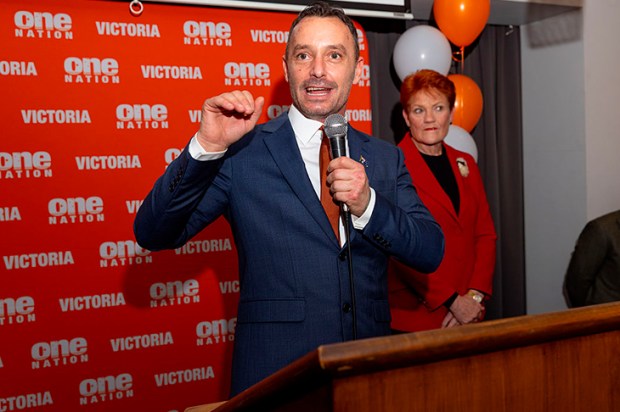
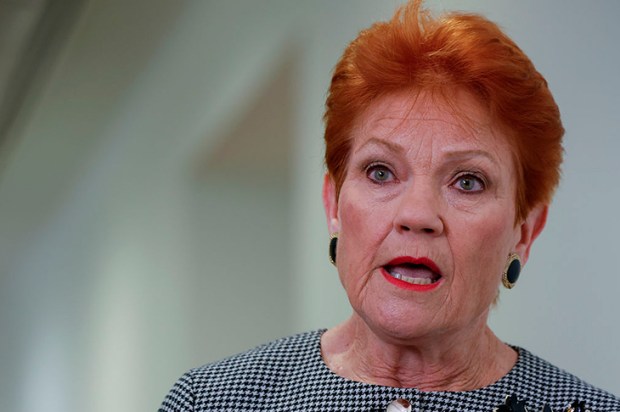
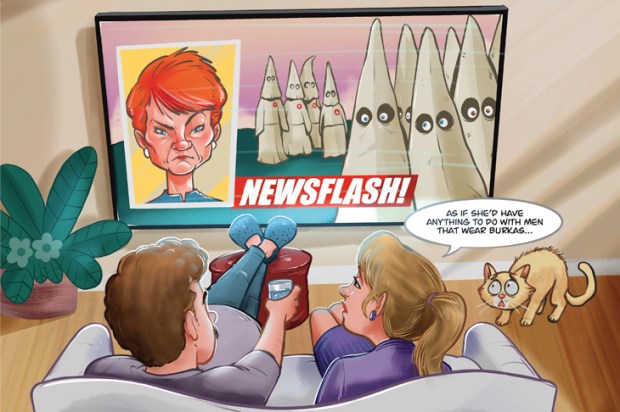
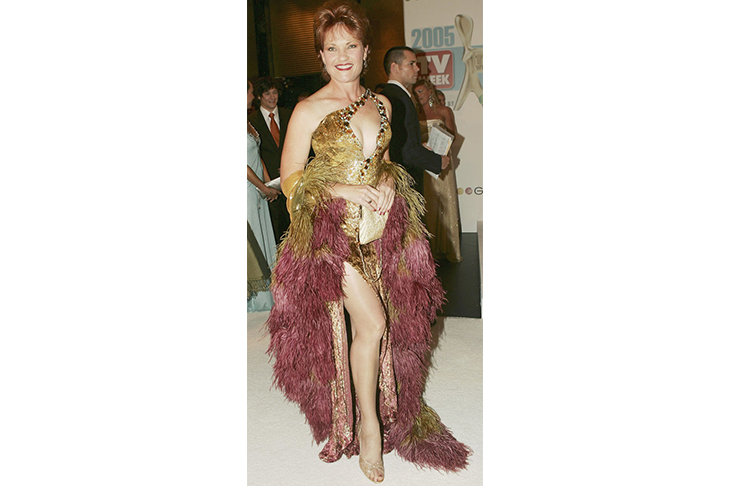
To understand how this happened, it helps to go back to Pauline Hanson. She revealed something the Liberal and National parties have spent thirty years pretending not to see: a large bloc of Australians felt politically homeless.
Hanson arrived in politics in the wrong body, with the wrong accent, displaying the wrong social signals. When she was asked on television whether she was xenophobic and had to ask what the word meant, the political class took this as confirmation of everything it already believed. She was not simply wrong. She was unpolished. She showed a lack of breeding. The horror she inspired was never only ideological. It was social.
That is why John Howard remains so important to this story. He absorbed the instinct, translated it into more acceptable language, and made it policy. He could normalise anxieties about borders, national cohesion and multicultural excess. What he could not do was say plainly that the woman who had voiced those anxieties too crudely had seen something true. The instinct could be borrowed. The person had to be quarantined.
That transaction – take the politics, reject the body carrying it – has defined the right’s relationship with its own base ever since. Their votes are useful. Their presence is not.
Picture the conversation again. The restaurant is still good. The Liberal is still sighing. He is still explaining why a deal cannot be done, why a party room could not possibly tolerate this or that candidate, why standards must be maintained. What he means is simpler: these are not our people.
This is the right’s version of Labor’s contempt. Labor looks at the culturally disobedient worker and sees someone who needs educating. The Liberals look at the One Nation voter and see someone who needs quarantining. Different accent, same structure.
And so we arrive at Farrer. In May, voters there will be asked to choose among a Liberal, a National, a One Nation candidate and a Climate-200 independent. Four conservativ(ish) traditions of varying description, all competing in a seat a unified right ought to hold without drama. If the anti-Labor vote fractures and the Teal independent comes through the middle, the result will be described afterward in the usual antiseptic language: community sentiment, local complexity, the particular circumstances of the electorate. It should be described more honestly. It will be a self-inflicted wound.
Farrer is the exhibit in the case against the Australian right. A ballot paper is about to show, in miniature, the pathology that has been eating it for years. It has the numbers. It has the grievances. It has the opportunity. What it lacks is the nerve to admit that the voters it fears are its own.
The only thing stopping a conservative realignment in Australia is the conservative parties themselves. John Anderson understands the constituencies. Alexander Downer understands the institutions. Tony Abbott understands the consequences. Nobody with the nerve to act apparently has Pauline’s number.
The dinner continues. The bill will be split. The right shouldn’t be.
Got something to add? Join the discussion and comment below.
You might disagree with half of it, but you’ll enjoy reading all of it. Try your first month for free, then just $2 a week for the remainder of your first year.