In the Middle East, no event happens in isolation. Political developments are closely connected, and each move by one country affects others.
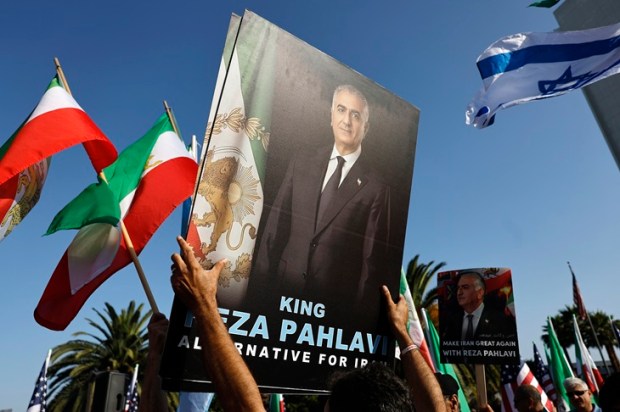
The recent internal protests in Iran, growing international pressure, and increased diplomatic activity in the region all suggest that different governments are carefully evaluating possible future scenarios.
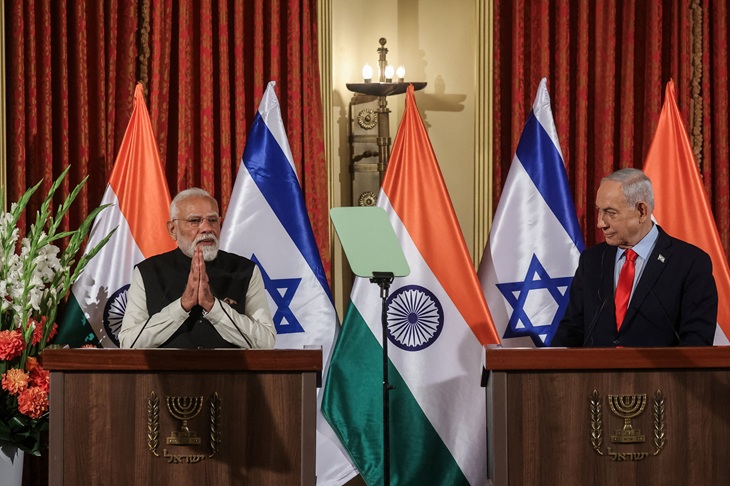
In this context, the visit of Benjamin Netanyahu to India should not be seen as a routine diplomatic trip. It reflects broader strategic calculations about the balance of power in West Asia.
Official relations between India and Israel began in 1992, but over the past two decades, they have developed into a strong strategic partnership. Today, India is one of the largest buyers of Israeli defence technology, including missile defence systems, drones, surveillance tools, and cybersecurity solutions. However, the relationship is not limited to military cooperation. The two countries also work closely in agriculture, water management, innovation, startups, and digital technology. Israel offers advanced and flexible technological expertise, while India provides a large and stable market with long-term growth potential.
From a geopolitical perspective, India follows a multi-alignment strategy. It maintains relations with the United States, Russia, Middle Eastern countries, and Israel at the same time, trying to avoid becoming dependent on any single bloc. Israel, for its part, aims to strengthen its position as a key security and technology partner for Asian powers. The personal relationship between Netanyahu and Narendra Modi has also helped deepen cooperation and build political trust.
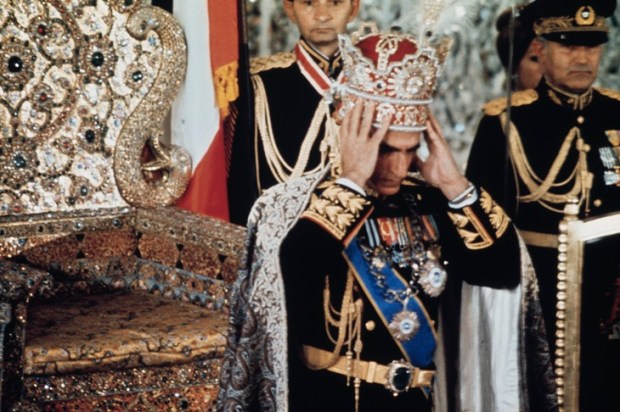
Understanding India’s approach to Iran requires looking at history. Before the 1979 revolution, Iran and Israel had close security and intelligence ties, and Iran was considered one of the more stable and influential powers in the region. The regional balance at that time was different and, in some ways, more predictable. Indian policymakers are aware that any major political change in Iran could significantly affect energy security, trade routes, and regional connectivity projects such as the Chabahar port. For this reason, India has generally followed a cautious and patient policy toward Iran, keeping communication open while waiting for clearer long-term developments.
On the other side of the world, the position of the United Kingdom has been more restrained and pragmatic. Over the past 50 years, Britain has tried to balance its economic interests, its security partnership with the United States, and its involvement in Middle Eastern affairs. After costly experiences in Iraq and Afghanistan, British foreign policy has become more cautious. In many cases, London prefers targeted sanctions, diplomatic pressure, and multilateral coordination rather than direct military intervention.
There is ongoing academic debate about the long-term consequences of Britain’s past policies toward ideological movements in the region. Some scholars emphasise the context of the Cold War and strategic competition at the time, while others focus on unintended consequences of short-term tactical decisions. Today, however, official British policy is primarily focused on preventing instability and countering extremism, both abroad and within its own borders. For European governments, domestic security remains a top priority.
Overall, Netanyahu’s visit to India can be understood as part of a broader effort to strengthen networks of security and technological cooperation at a time when the Middle East is undergoing significant change. India is carefully monitoring different possible futures for Iran and seeks to protect its economic and strategic interests under any scenario. Britain, meanwhile, is acting cautiously, attempting to avoid repeating costly mistakes while balancing its values and strategic concerns.
March 21 marks Nowruz, the Iranian New Year. Just as nature renews itself in spring, many hope that the people of Iran will one day be able to rebuild their country and contribute to greater peace and stability in Iran and across the Middle East.
By Leila Naseri: Author | Composer | Social Cultural Activist