The Islamic Republic of Iran has long constituted a source of geopolitical tension and strategic concern for many nations, Australia among them. Although Canberra maintained diplomatic engagement with Tehran for decades, relations deteriorated sharply in 2025 after the Australian Security Intelligence Organisation concluded that Iran’s Islamic Revolutionary Guard Corps (IRGC) was responsible for at least two antisemitic arson attacks on Australian soil. In response, Australia expelled Iran’s ambassador, suspended embassy operations in Tehran, and designated the IRGC a state sponsor of terrorism under newly enacted domestic legislation.
In early 2026, President Trump drew a clear red line, warning the regime against the shooting of protesters – a line the Ayatollah crossed repeatedly. While the United States has thus far relied on demonstrations of force and deterrence, precedent suggests that Trump’s final move – particularly with the aid of Israel – would resemble a decisive intervention following the current phase of consensus-building. The European Union’s designation of the IRGC as a terrorist organisation, together with public statements by the German Chancellor – traditionally the most cautious voice within the European Union – asserting that the regime’s days are numbered, reflects a coordinated strategic shift rather than idle speculation. At this juncture, Australia, too, could signal its engagement.
The collapse of the current regime in Iran would yield tangible benefits for Australia’s security, strategic posture, and economic interests. Most immediately, it would likely diminish the reach of state-sponsored terrorism beyond the Middle East, thereby lowering the risk of covert hostile activities directed against Australian communities and infrastructure. Australia’s designation of the IRGC as a terrorist entity already enables law-enforcement agencies to disrupt networks involved in cyberattacks, terrorist financing, recruitment, and the training or sponsorship of domestic cells. A weakened or dismantled IRGC would significantly curtail these threats.
From a strategic perspective, the removal of a regime that has systematically exported instability through proxy forces would weaken the broader militant architecture sustaining regional conflict. A less volatile Middle East would allow Australia to redirect diplomatic, intelligence, and defence resources toward the Indo-Pacific – a region of paramount importance to national interests. Prolonged instability in Iran has repeatedly drawn United States military assets and strategic attention back to the Middle East at precisely the moment when Canberra requires Washington’s sustained focus on deterrence and balance in Asia.
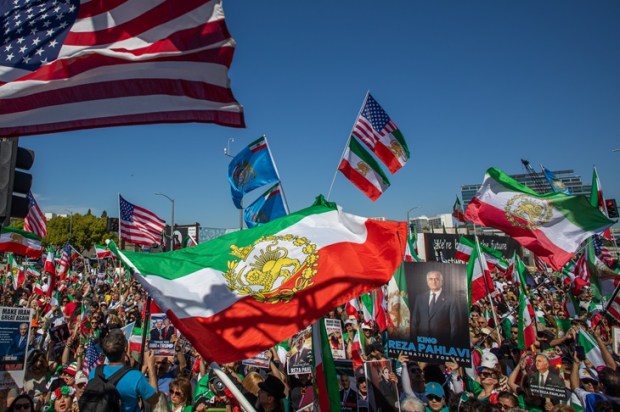
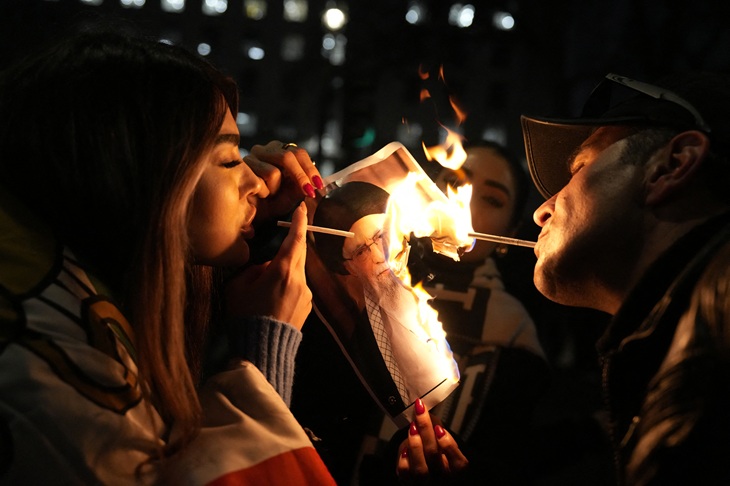
Economically, although Australia’s direct trade with Iran has remained limited, a stable Iran governed by a post-Islamist, internationally engaged leadership could reduce long-term volatility in global energy markets and open a largely untapped economy – home to ninety million people – to foreign trade and investment. Iran remains one of the last major markets sealed off by ideological isolation. Its population, increasingly disillusioned with Islamism and wary of Russian and Chinese influence, has repeatedly signalled a cultural and political affinity with the West. This inclination has been visible in global rallies where Iranians openly carry American and Israeli flags and call for democratic restoration.
Australia could take early, symbolic steps to demonstrate genuine solidarity with the Iranian people, moving beyond the cautious rhetoric that has characterised much of the Western response. Such gestures would not be forgotten; they could lay the foundations for a durable and mutually beneficial relationship with a future, free Iran.
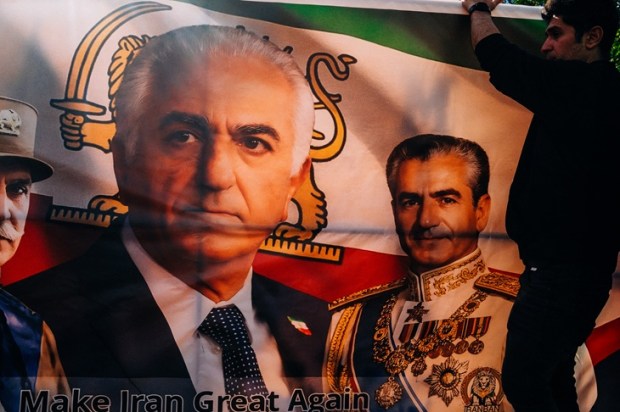
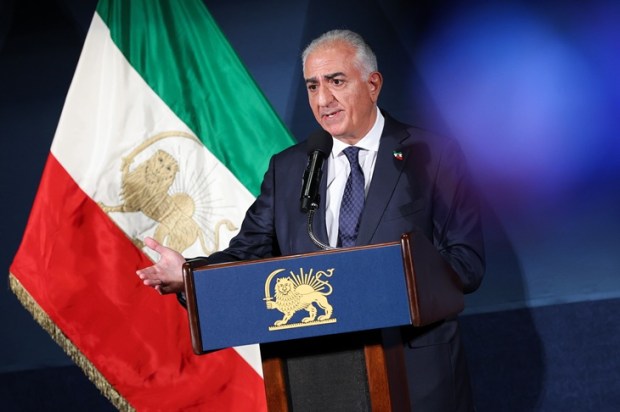
The most meaningful step Canberra can take is to initiate open dialogue with the democratic opposition. This requires engagement beyond closed-door diplomacy, particularly with Crown Prince Reza Pahlavi, whose name has been widely chanted across Iran as a unifying figure for political transition. Iranian-Australians have rallied weekly in major Australian cities since mid-January, calling on the government to formally meet him and to recognise the emerging leadership of the transition.
A clear Australian signal of support would position the country as a key partner in Iran’s future reconstruction and would send an important message to Washington. Despite periods of domestic scepticism toward United States policy, the Australia-US alliance remains central to national security. In scenarios where the United States seeks partners to contain the Islamic regime or to stabilise the region, Australia’s intelligence cooperation – including through the Five Eyes framework – strengthens alliance cohesion. Moreover, the fall of the Islamic Republic would deal a significant blow to the authoritarian axis led by Russia and China, reshaping the international order in favour of democratic states.
At the same time, the human toll of the ongoing protests inside Iran must not be overlooked, for it lends a stark moral dimension to international engagement. Tens of thousands of civilians are estimated to have been killed in the regime’s brutal crackdown on nationwide protests demanding an end to clerical rule. The response has been unmistakably totalitarian: mass arrests, executions, and the systematic suppression of basic freedoms, including prolonged shutdowns of communication networks. Suffering on this scale is not merely a humanitarian tragedy; it is a test of the moral and strategic foundations of the democratic world.
For nations such as Australia, the defence of human life, individual liberty, and the rule of law is not an act of charity, but an affirmation of the civilisational principles that underpin Western power and legitimacy. To remain silent in the face of such brutality is to weaken the very order that secures peace, stability, and freedom within the global system.
While the fall of this brutal regime is not without risks, its potential benefits for Australia’s security, strategic interests, and economic future warrant serious policy consideration and principled international engagement.
Reza Arab is a Lecturer at the University of Queensland, and a political advocate for a free Iran.