I’ve spent a large part of my working life as a builder, so I’d like to think I know a thing or two about housing. In fact, it’s partly due to me seeing the many shortcomings of the current housing system that I first decided to get involved in politics and run for Parliament.
The word ‘crisis’ often gets thrown around more than it needs to in politics, but undoubtedly in South Australia right now I would say we’re facing a housing crisis. More specifically, a housing affordability and availability crisis.
In August 2025, figures from the Wyatt Trust showed that in the three years since the end of the Covid pandemic house prices have increased by 85 per cent in Adelaide and 89 per cent in regional areas. At the same time, rents have increased by over 50 per cent across the state. For more and more young South Australians the dream of home ownership is becoming an impossible dream. As someone who has spent the bulk of my career building such homes, I find this demoralising.
Recent polling by Demos AU (October 2025) shows that many South Australians feel the same way. When asked what the biggest issue facing South Australians, housing came second place on a list of 18 issues ahead of the economy, crime, and health. The only issue that topped housing was cost of living, and the reality is that in the minds of many South Australians, the cost of living and housing prices are inextricably connected.
And how has our Labor-led administration in South Australia fared when it comes to tackling this crisis?
Not very well at all, according to South Australian voters.
On the question of, ‘Do you believe the Malinauskas state government is doing a good job on managing these issues?’ only 15 per cent rated the Labor state government as doing a good job with 47 per cent rating it as doing badly. It had a lowly net approval rate of -32 per cent on housing. Housing is the biggest of Achilles’ heel for the Malinauskas. The people of South Australia deserve so much better.
So, what are the causes of this housing crisis in South Australia?
The reality is that the issues we’re grappling with are the same as what many other states are grappling with. It’s a supply and demand problem. Supply has been slow whilst demand has grown exponentially.
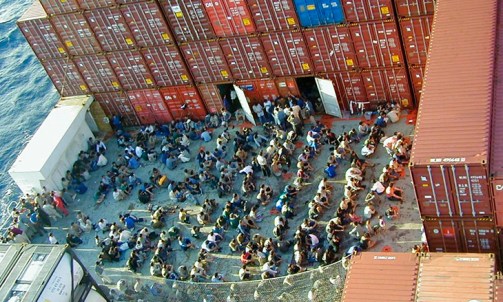
There are a variety of things that the state government could do (but isn’t) to boost the supply of housing and, in particular, affordable housing. However, it’s pointless only debating supply when there is a giant elephant in the room, immigration. Without doubt the record mass migration that Australia has seen over the past decade or so is indisputably linked to the housing crisis faced by South Australia and many other Australian states. How can it not be linked? Over the past few years, we’ve had about 1,500 new arrivals every day. In 2023, net migration was over half a million. This isn’t sustainable. You can’t open the door to this extent and expect for there not to be major implications across a number of different policy areas … not least of which is housing.
It has long been my view that when you’re considering immigration you can’t assess it in a silo. You need to reflect upon how mass migration of the levels we’ve seen in Australia over the past few years has a direct bearing on all sorts of other crucial issues. Housing, access to public services, wages, community cohesion, all of these vital issues cannot be disconnected from immigration as an issue. Immigration needs to be viewed in the round when it comes to us assessing its impact on Australia and in my case, South Australia.
The key question should be: To what extent do present levels of net migration have a positive or negative impact on the quality of life of existing Australians?
In the case of housing affordability in South Australia, the impact has been inarguably negative.
It’s not uncommon that when I talk to people about politics they’ll claim to be comfortable with immigration as an issue, but when you probe them, many will be very animated about housing affordability. They pretend as though the two issues are not connected when they are.
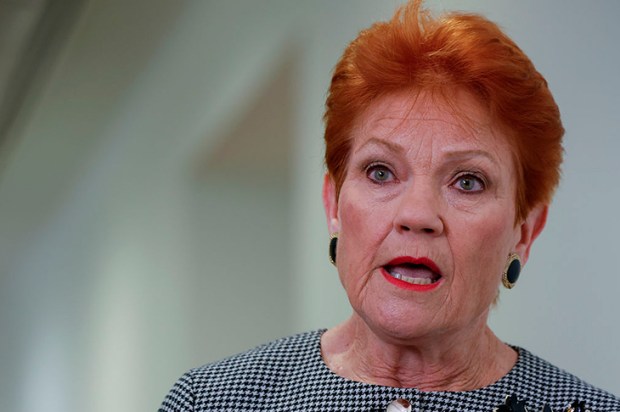
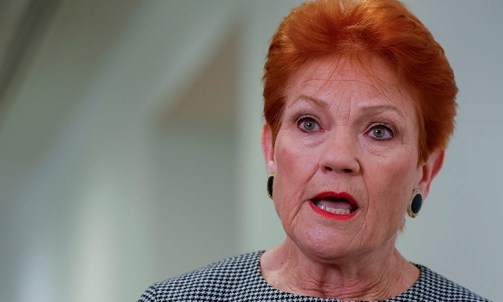
The reality is that only Pauline Hanson and the One Nation Party have been honest about this connection and have sought to do something about it. One Nation is committed to introducing a cap on net migration of 130,000 per year. This would mark a major reduction in net migration and would cover all kinds of visas, including student visas.
One Nation is also committed to banning foreign ownership of residential property to increase housing supply for Australians, and exempting building materials from the GST to make improve housing affordability.
There are many more things that we can do to tackle the housing crisis and as a builder myself I could talk all day about it.
There is no point having a discussion about how we tackle the housing crisis in unless we’re prepared to have the conversation about immigration. And let’s face it, over the past 30 years there has only been one political leader in this country who has consistently advocated lowering immigration: Senator Pauline Hanson.
If you’re a South Australian and you care about housing, vote One Nation this March!