Australia is not short of arguments – it is short of confidence.
We remain a nation of builders – families, tradespeople, nurses, small business owners, and teachers who quietly keep the country standing. Yet our political conversation feels oddly detached from their lives. The noise is constant, but the moral centre is quiet. We manage, but we no longer dream.
This has happened before.
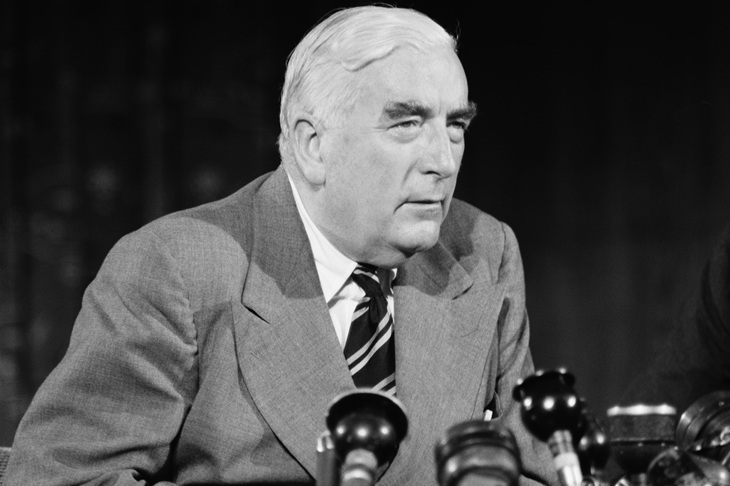
In the 1940s, Robert Menzies was a brilliant but battered former Prime Minister whose career appeared finished. Rather than retreat, he began speaking – calmly and deliberately – to what he called ‘the forgotten people’: those who lived between wealth and organised labour and felt invisible to politics. Crucially, he did so by speaking to the country rather than to factions, restoring his credibility by appealing over the heads of party machines to the everyday instincts of Australians.
He spoke of work as honour, thrift as virtue, and family as the foundation of civilisation. These were not slogans, but convictions.
What is often forgotten is that Menzies grasped something deeper. He understood that the non-Labor side of politics had become fragmented and ineffective – scattered across minor parties, independents, business associations, and civic groups that broadly agreed on values but competed with one another. His response was not domination but construction. He convened an open conference and brought those strands together into a single political home.
The Liberal Party was deliberately designed as a broad church: tolerant of disagreement and united around fundamentals. Its longevity – 23 years in government – was not accidental.
We could use that seriousness of purpose again. Not nostalgia, but leadership willing to state plainly what holds a nation together – and what erodes it.
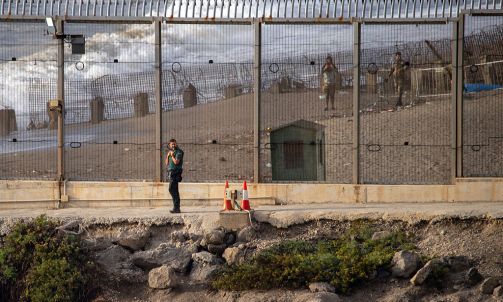
Today, the pressures are unmistakable. Rapid population growth is colliding with housing shortages and strained infrastructure, and public confidence in immigration policy is fraying – not because Australians are hostile to newcomers, but because they expect order, planning, and cohesion. At the same time, the re-emergence of antisemitism has shocked a country that assumed such hatred had been relegated to history. Hovering above it all is a sense of drift: governments that manage headlines rather than set direction.
These are not fringe anxieties. They point to a deeper problem – a loss of moral authority in national leadership.
Australians are not asking for perfection. They are asking for competence with conviction. They want immigration that is generous but orderly, multiculturalism confident enough to defend shared civic standards, and leaders prepared to say without equivocation that antisemitism and sectarian hatred have no place in a decent society.
Renewal would also be practical. It would restore the ladder of opportunity: housing reform that makes first homes attainable again; apprenticeships and vocational pathways treated as nation-building priorities; tax and regulatory systems that reward effort rather than speculation. And it would treat social cohesion as essential infrastructure – something to be maintained, not taken for granted.
History suggests that when a political tradition splinters, renewal does not come from louder factions but from leaders willing to give shared convictions a common home. Menzies understood that unity is not conformity; it is agreement on fundamentals.
Australia does not need a saviour. It needs a servant with backbone – someone prepared to restore confidence by telling the truth, setting standards and trusting Australians to rise to them. When that voice finally speaks, the country will recognise it at once. It will sound like common sense, spoken with moral authority.