Charles Dickens opened his timeless novel, set in the era of the French Revolution, with a paradox that echoes through history.
In A Tale of Two Cities, he depicted an age suspended between human progress and profound despair, unfolding through a series of parallel contrasts – ‘it was the age of wisdom, it was the age of foolishness…’
In 2026, we stand on the precipice of a historical encore. The tides of change accompanying unprecedented technological promises are inexorably converging into a mega tsunami that may plunge humanity into the darkest chapter of modern life; one where everyday existence becomes a daily struggle for survival.
These are the worst things that could possibly happen, drawn from the shadows of current trajectories, expert warnings, and even the fringes where rational fears blur into conspiratorial dread.
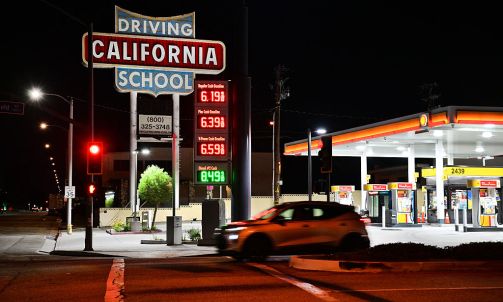
Imagine waking up in January 2026 to news of obliterated TurkStream pipelines? It may be attributed to sabotage in the escalating proxy warfare between Russia and Nato. Or a twin missile strike on Saudi Arabia’s Abqaiq processing plant (the world’s largest crude stabilisation facility) or Ras Tanura terminal (the world’s largest oil loading port)? Energy prices will triple or quadruple overnight. The strategic petroleum reserves (SPRs) of many developed nations will be exhausted in a matter of weeks. Heating bills will become unaffordable for millions in Europe and North America. The ordinary man, already stretched thin from years of inflation, watches his grocery budget evaporate as food transport costs soar.
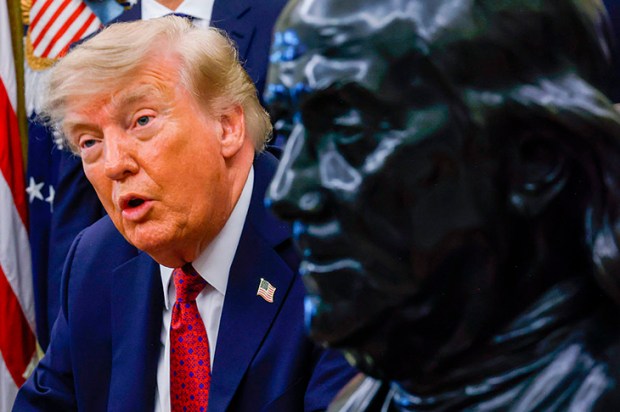
In the United States, the tariff juggernaut of President Donald J Trump – now aggressively countered by China and the EU – will trigger supply chain chaos. The cost of everyday goods, from electronics to clothing, will escalate. Sooner or later, factories will close as ‘near-shoring’ fails to materialise fast enough, unleashing mass layoffs. Unemployment surges to double-digit levels in many regions, echoing the Great Depression but amplified by AI-driven automation that eliminates millions of mid-level jobs overnight.
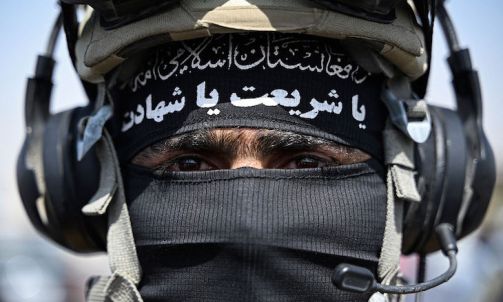
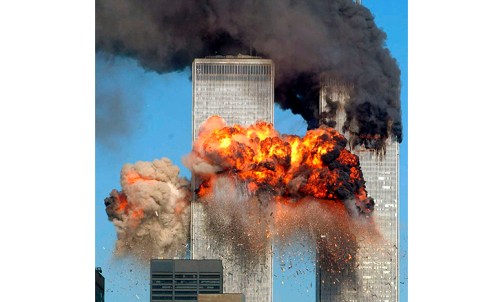
Geopolitics ignites into open flame. Tensions in the South China Sea boil over into a naval confrontation. Graduated escalations follow in the form of dispersed blockades, cyber intrusions, and even proxy conflicts in the Arctic, where melting ice opens new battlegrounds.
Russia, seething from the TurkStream or a similar takedown, tests alliances with provocations in northern Europe. The Middle East fractures further, with renewed warfare in Gaza and Lebanon spilling into broader regional war. For the ordinary man far from these fronts, the impact would be sudden and visceral. Oil spikes to $200 a barrel, gasoline rationing returns in some countries, and hastily-instituted military conscription forces young men into snowballing revolts, revolutions and conflicts. Whispers of nuclear sabre-rattling circulate, replete with rumours of loose nukes and sneak attacks. The visible impact on global markets would be simply radioactive.
Then comes the long-foretold cyber pandemic. A catastrophic attack – perhaps state-sponsored, perhaps by rogue actors exploiting AI vulnerabilities – cripples critical infrastructure. Power grids fail in cascading blackouts across continents. Banking systems freeze. ATMs go dark, and digital payments halt. The ordinary man lines up for cash that isn’t there, while hospitals run on generators and pharmaceutical supply chains collapse. Deepfakes flood social media, impersonating leaders to sow panic. There may be fake announcements of martial law, and fabricated evidence of bioweapons releases.
Trust erodes completely. In this vacuum, a new pathogen emerges – engineered or natural, the distinction blurs in a world of pervasive confusion. Lockdowns return, but economies are too fragile to withstand them. Riots erupt over food shortages.
Mysterious assassinations of prominent politicians and social media influencers roil nations. The ministries of truth will attempt to control the narrative, knee-jerk-style, even as online pundits systematically destroy the official storylines. The truth will be lost in the global cesspit of power politics, and in the selective amnesia of perma-crises. Empty bellies and rapidly impoverished circumstances will be the ultimate arbiter of truth.
Climate wrath, exacerbated by ‘unforeseen solar anomalies’, compounds the misery. La Niña unleashes relentless floods in Asia and Africa, while unprecedented heat turns swaths of Europe and North America into dust bowls. Mega-wildfires rage unchecked as resources are diverted to wars and cyber recovery. Hurricanes devastate coastal cities. Insurance companies collapse under the weight of claims, leaving millions uninsured and bankrupt. Food production plummets. Famine stalks vulnerable regions, driving mass migration that overwhelms borders and sparks xenophobic backlash.
The house of cards that is our ‘global order’ will inevitably fall. The AI bubble may finally burst when over-hyped investments in agentic systems fail to deliver, triggering a stock market crash worse than 2008. Private credit markets retrench, governments drown in debt from stimulus splurges and war spending. Hyperinflation hits both fragile states and the developed West, with all currencies locked in a devaluation race. Pensions evaporate, retirement becomes a relic of the past. The ordinary man, if still employed, sees wages stagnate while costs skyrocket. Homelessness explodes as evictions mount. Illicit economies thrive as cartels diversify with AI-enabled scams, deepfake extortion, and black-market essentials.
In environments of extreme crisis, governments historically centralise control. Should we expect compulsory digital identities tied to Central Bank Digital Currencies (CBDCs) conditioning access to banking, travel, rations, or even the Internet itself? Might carbon or social credit systems be rapidly introduced, constraining social mobility for the many while exemptions persist for the powerful? AI-driven surveillance could be deployed at scale to predict and preempt dissent, with ‘pre-crime’ arrests becoming normalised under emergency powers.
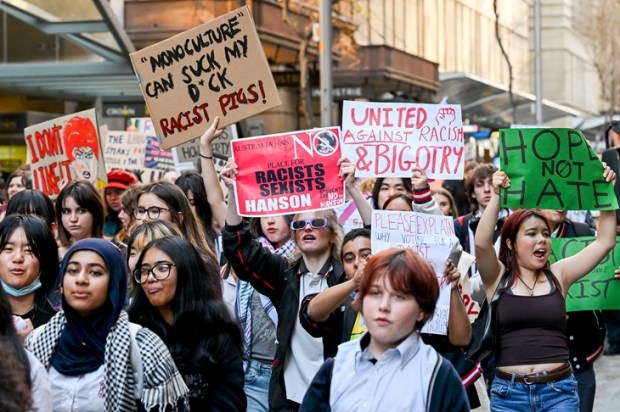
As trust erodes, societal polarisation will likely peak, with misinformation – amplified by rogue or misaligned AI systems or their human curators – turning neighbours against one another in cultural and ethnic conflicts that increasingly spill into violence. The recent surge of openly racist and incendiary discourse across major social platforms, especially on X, offers an unsettling preview of how quickly such dynamics can metastasise under stress.
For the ordinary man, 2026 may not be a hypothetical abstraction. He is already staring at empty shelves, darkened homes, lost jobs, fearful children, and a gnawing sense that the social contract has shattered. Health deteriorates from stress and scarcity. Mental illnesses surge unchecked. Hope flickers dimly amid the ruins, but survival demands everything. It demands capitulation.
This is the worst of times: an era where progress’s fruits rot on the vine, and the common person bears the brunt of cascading catastrophes. Dickens reminded us that such periods forge both despair and resilience. In 2026, the ordinary man may find himself tested as never before.
And if this sounds apocalyptic, bear in mind that it represents only the ‘middle ground scenario from the perspective of a global risk analyst’.
Dr Mathew Maavak is a retired international consultant in strategic foresight, governance, nanotechnology, Big Data and artificial intelligence. His commentary on technology and global risk has appeared in outlets worldwide. He is also the author of the dystopian techno-thriller The Electric Reckoning.