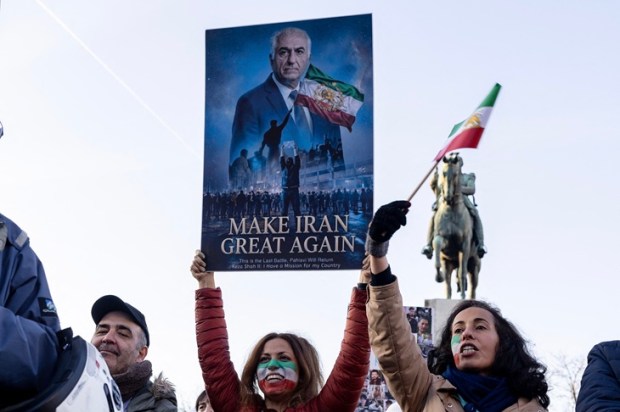
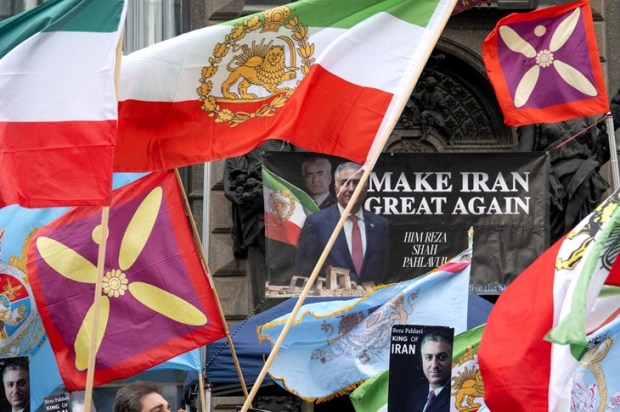
From the seventh of Dey, the people of Iran once again stood before bullets and batons, chanting the name of the Shah a name that for years they tried to erase from the collective memory, yet which rose again from the depths of enforced silence.
From north to south, east to west, from bazaars to once-quiet neighborhoods, a single voice was heard: the voice of a nation that has reached collective awareness.
The great nation of Iran has come to understand that the path out of this cycle of repression and devastation does not pass through staged reforms. The bitter experiences of decades prison and torture, exile and execution have led to a shared conviction that the only horizon of salvation lies in the return of the monarchy and the revival of a national Iran. Time and again, unarmed, they have stood before live-fire; without weapons, but with resolve. They have paid the price, yet they have not retreated.
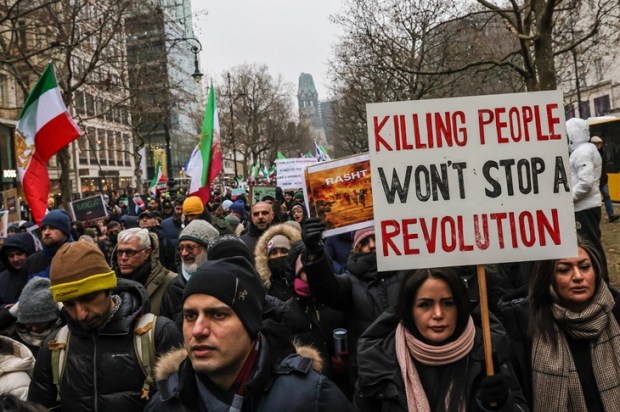
On the seventh of Dey, this resolve took to the streets. Shops and businesses closed; the wheels of an economy exhausted by mismanagement came to a halt so that the people’s voice could be heard.
The streets filled with slogans born not of blind rage, but of historical memory and hope: ‘Long live the Shah!’ ‘Pahlavi, Pahlavi this is the national slogan!’ ‘O Shah of Iran, return to Iran!’ These were not mere chants; they were declarations of a national demand.
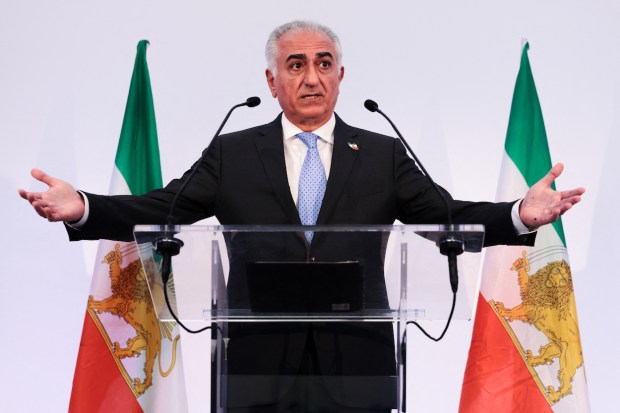
In those same days, Reza Shah II addressed the people with a clear and direct message: we have no one but ourselves. The road ahead is the passage beyond this occupying regime a passage possible only through solidarity, courage, and national responsibility. He spoke of new life that must be breathed into Iran, of rebuilding a country worthy of peace, freedom, and global respect.
What is unfolding in Iran today is not simply protest against inflation or economic collapse; it is the cry of a nation reclaiming its dignity, identity, and future. The streets shout the name of the Shah in the face of bullets because the people have reached the certainty that history cannot be silenced forever by force. This is the voice of a nation that is standing, awakened, and resolved a voice of an Iran that seeks to live again.
For 47 years, the street in Iran has carried a heavy price. From the earliest days after the revolution, whenever people came out to demand their rights bread, freedom, or human dignity the response of the authorities was bullets, batons, and prison. This continuous history of repression is not an episodic account; it is the collective memory of a nation.
In November 2019, this violence reached its most naked extreme. According to credible international reports and estimates by human rights organisations, security forces killed at least around 1,500 people in a matter of days, many through direct gunfire. Nationwide internet access was cut to conceal the truth, but the numbers remained numbers that still trouble the conscience of the world.
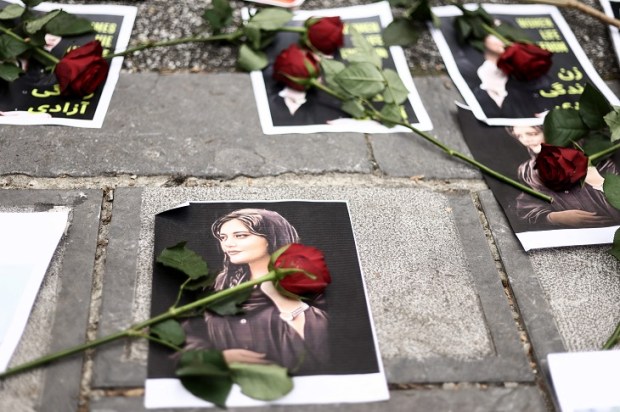
The past four years have been a continuation of the same path. In the 2022 uprising, known by the name of Mahsa Amini, human rights organisations estimated the number of those killed at between 500 and more than 550, including dozens of children. Thousands were arrested, and hundreds faced heavy prison sentences. In the aftermath, executions accelerated: in the years 2022-24 alone, according to independent organisations, hundreds were executed, with a portion of these sentences directly linked to protest cases and security charges. The execution of young protesters sent a clear message from the authorities: terrorise society through death.
Yet what defines this history is not only the number of victims; it is the perseverance of people who, despite knowing these costs, returned to the streets. They have seen prison, endured torture, mourned their dead and still they have not stepped back. This resilience draws from something beyond momentary anger: hope for a clear alternative.
In recent years, trust in Reza Shah Pahlavi has gradually become a point of reference for a large segment of society. Many protesters say they have taken to the streets because, for the first time, they see before them a coherent and national horizon one whose promise is neither revenge nor ideology, but a rational, law-based state aimed at rebuilding Iran. His statements, emphasising national unity, a departure from violence, and reliance on the people themselves, have offered reassurance amid fear and repression.
That is why, despite so many killed, imprisoned, and executed, the streets have not fallen silent. People have stood again, fully aware of the danger, supported by a trust that has taken shape. The 47-year history of Iran’s struggle shows that force may delay protest, but it cannot erase the will of a nation. Today, more than ever, this will has a name, a voice, and a direction and that is what keeps the streets alive.
By Leila Naseri: Author | Composer | Social Cultural Activist