Racial discrimination is one of the oldest and most enduring wounds in human history. This phenomenon, rooted in fear, ignorance, and a sense of superiority, has taken many forms throughout the centuries from slavery and colonialism to social exclusion, educational barriers, and hidden bias in modern institutions. In every era, groups of people have been deprived of equal opportunities and placed in inferior positions simply because of their skin colour, language, or culture.
Today, even though many countries have passed laws against discrimination, new and subtler forms of inequality still exist within society. Modern discrimination is not always visible; it often appears through unconscious bias, hiring decisions, or everyday behaviour. A person may be denied a job, education, or social acceptance merely because of their accent, appearance, or family background.
In schools, a child may be excluded because of their skin colour or an unfamiliar last name. In workplaces, people are judged not by their skills but by ‘cultural similarity’ or ‘social fit’. In the media, those who deserve to be heard often remain unseen a silent discrimination that slowly tears apart the fabric of social unity.
In countries like Australia, where cultural and ethnic diversity is vast, a new challenge has emerged: the growing emphasis on religious and ethnic divisions within a society that should ideally be united. Instead of identifying simply as ‘Australian’, people are increasingly defined by their religious or ethnic identities Jewish, Christian, Muslim, Chinese, English, Indigenous, and so on. When schools or institutions are created for only certain groups while others are excluded, the spirit of coexistence and social unity weakens. Overemphasising differences gradually divides families and communities and leads to moral decline.
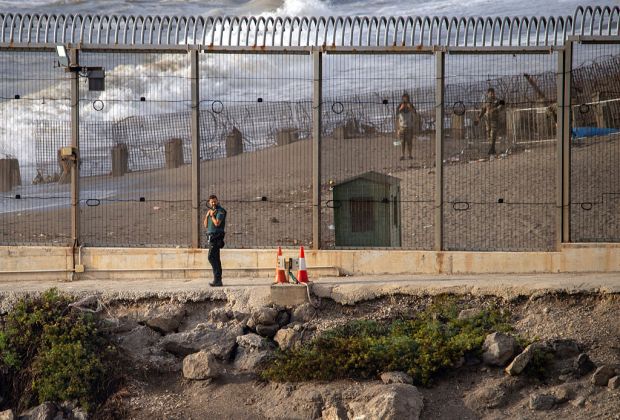
In the capitalist world, globalists and leftist movements have tried to eliminate national borders and identities under the slogan of ‘global citizenship’. But true unity does not require the erasure of borders. Humanity can achieve harmony by preserving national identity and expanding ethics and understanding. The root of discrimination lies in ignorance and the lack of moral education. A society that does not teach empathy, respect, and appreciation of diversity from childhood will eventually suffer moral decay, where wrong becomes right. Laws can prevent acts of discrimination, but only education can transform minds and free people from prejudice.
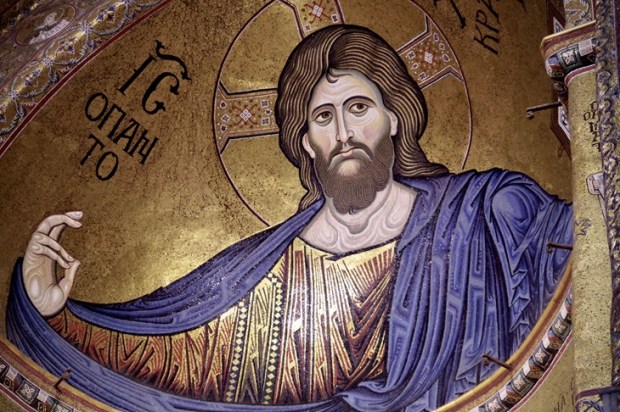
Cultural symbols and heritage have also suffered from this ignorance. Many ancient symbols that once represented light, life, and harmony between humans and nature have been turned into instruments of hate. For instance, the sun wheel, a sacred symbol in ancient Iran representing love and the harmony of the four elements (water, wind, earth, and fire), was stolen by the Nazis in the 20th Century and used to spread fear and hatred against Jews. With proper education about the true origins and meanings of such symbols, no group could ever misuse them for oppression or intimidation.
The media and educational systems play a crucial role in this matter. They can promote understanding and fairness by representing different cultures accurately and encouraging dialogue breaking mental barriers through ethics, not by changing geographical borders. Education about justice, mutual respect, and human equality must be at the heart of every nation’s values.
The fight against racial and cultural discrimination is not only a political responsibility but also a moral and human duty. Every person, in any position, can contribute to building a world free from war and hatred through fair words, actions, and judgments. If education, morality, and empathy become the foundations of future civilisation, we can hope that the next generations will grow up in a world where skin colour, language, or religion are no longer measures of superiority where humanity, wisdom, and kindness define a person’s true worth. In such a world, nations can unite through shared human virtues, bringing about global harmony and peace not by invading or changing borders, but by respecting each nation’s identity and expanding the boundaries of humanity itself.
By Leila Naseri: Author | Composer | Social Cultural Activist