In modern political history, constitutional monarchy has served as a model of governance capable of balancing tradition with modernity, and national identity with contemporary political structures.
The fundamental feature of this system is that loyalty to the nation is separated from loyalty to the government.
This separation allows the people, even when dissatisfied with a government or its policies, to maintain their bond with the national identity and the institution of monarchy.
It is precisely this principle that today makes many Iranians view constitutional monarchy as the most suitable path for reconnecting with their historical roots and restoring national unity.
Examples from global experiences of constitutional monarchy further illustrate this point:
- Britain: The King or Queen serves as a symbol of national unity, while governments come and go. Citizens may be unhappy with a particular government, yet their respect for the Crown remains. This prevents the collapse of public trust.
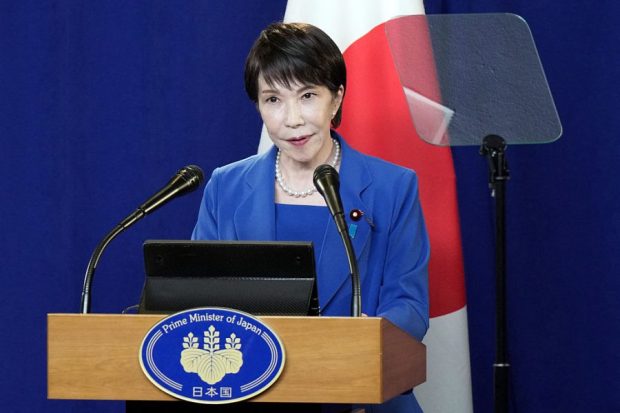
- Japan: After the second world war, the Emperor assumed a symbolic role. This symbol enabled the Japanese people, after defeat and devastation, to regain their national identity and swiftly move towards development.
- Sweden and the Netherlands: These countries successfully institutionalised parliamentary democracy while simultaneously strengthening social cohesion through their monarchical traditions.
- Canada, New Zealand, and Australia: Although fully independent, all three retain the British Crown as a symbol of national unity and separation from partisan conflicts. This has been especially vital in multi-ethnic societies, ensuring stability and coexistence.
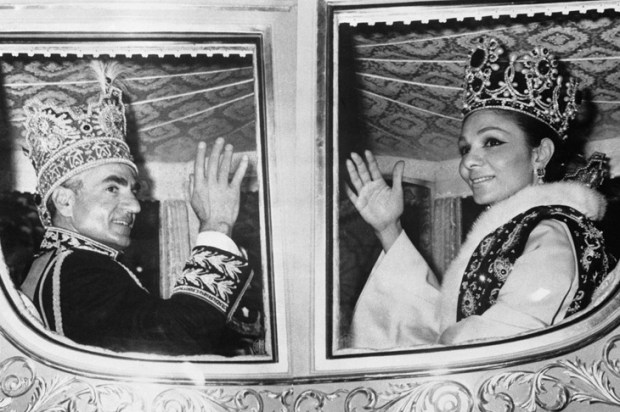
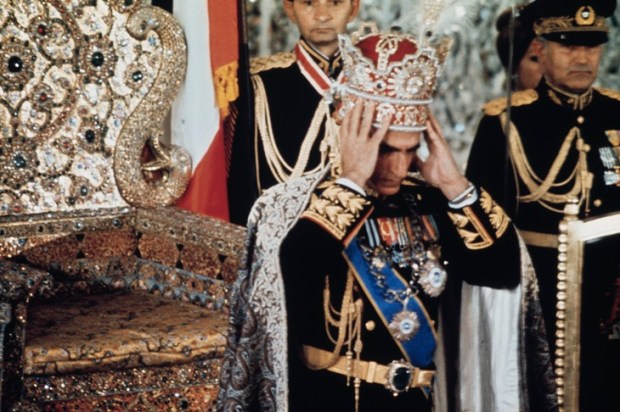
The Iranian nation possesses a history spanning thousands of years in which monarchy has always been a component of national identity and a guardian of borders and culture.
The Constitutional Revolution of 1906 was the first step in linking Iran’s royal tradition with the principles of modern democracy. Having endured the bitter experience of the Islamic Republic, Iranians now better understand that when national identity is entrusted solely to one government or a particular ideology, the result is nothing but isolation, crisis, and the collapse of social trust.
In a constitutional monarchy, the King or Queen sits above politics and beyond parties. This position enables the Iranian people to preserve their national symbol while moving beyond ineffective governments, without severing their connection to Iran. In fact, constitutional monarchy represents a meaningful model for Iranians. They value it because they think first and foremost of Iran, not of transient governments. Constitutional monarchy is their own native historical experience not an imported ideology and, ultimately, because it can safeguard political stability, economic development, and cultural identity at the same time.
Successful global experiences show that constitutional monarchy provides a sustainable framework for separating national loyalty from political dissatisfaction.
In Iran, too, this principle explains why people are inclined toward constitutional monarchy: they believe only this system can both preserve Iranian identity and guarantee democratic mechanisms. In other words, the Iranian people support constitutional monarchy not merely for the sake of a monarch, but for the sake of Iran itself.
By Leila Naseri: Author | Composer | Social Cultural Activist