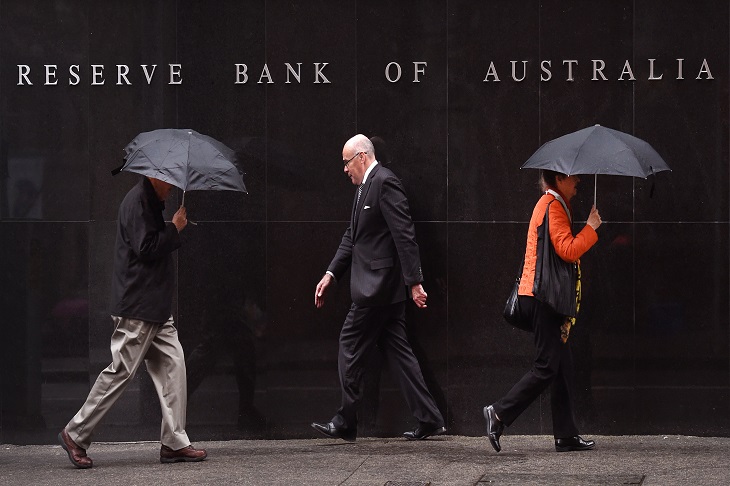
With the next rate call in sight, the RBA is probably unlikely to make another cut, in spite of the jobless data number increasing, simply as a result of hesitancy surrounding US rate cuts and the probability of volatility in the stock markets.
Whilst tariffs are a possible threat to keeping rates the same, it appears that central bankers are happy to adopt a more risky approach to market calls in this respect. Whilst stock markets have not been jeopardised over the last two and a half years by the rate increases, at some stage they will be and a correction that is not needed could be considered to be the same as a recession that could have been avoided.
As the debt levels as a percentage of GDP currently underpin the overvaluation issue, both in Australia and abroad, this fact need not necessarily be a problem, as, whilst increasing debt beyond current levels is not exactly ideal, decreasing debt with interest rates where they are is certainly something that will be a challenge. It is probably a challenge worth averting, due to its negative effects on the business cycle, which will result from a lack of liquidity.
One of the questions worth asking is whether we really wish to experience negative interest rates in the future. The US housing market is already experiencing a downturn and with population sizes decreasing across the world in many major developed countries, the problem we could face is that of debt markets suffering as well.
Playing the short game with regard to central banking styles is definitely the higher-risk strategy, for the reasons stated above, and consequently, the call after April’s could be the best time for a cut here in Australia. With inflation now in its target range, why reduce it further?
Moreover, in the US, another two cuts are likely to be made later this year, in which case we will certainly have some catching up to do here in Australasia.
In spite of the ASX being fairly stable and a relatively safe haven for investment, international investors will certainly be looking for opportunities to experience growth to offset a percentage of the losses experienced by the past few years of inflation. Why risk losing investment to elsewhere, when the AUD/USD exchange rate still remains at 0.63 give or take one percent?
The Content does not constitute and is not intended to be financial or other advice.