Hmm. Any minute now, the Church Appointments (Repeal of Discriminatory Provision) Bill will remove the last religion-related constraints on Andy Burnham and any future prime ministers who are Catholic or Jewish, so they will in future be eligible to advise the King on the appointment of Anglican bishops.
Really, it’s hard to think that he could make any worse choices for episcopal appointments than the C of E manages all by itself
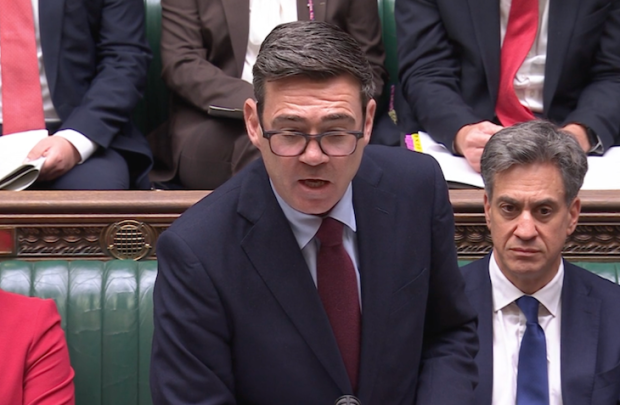
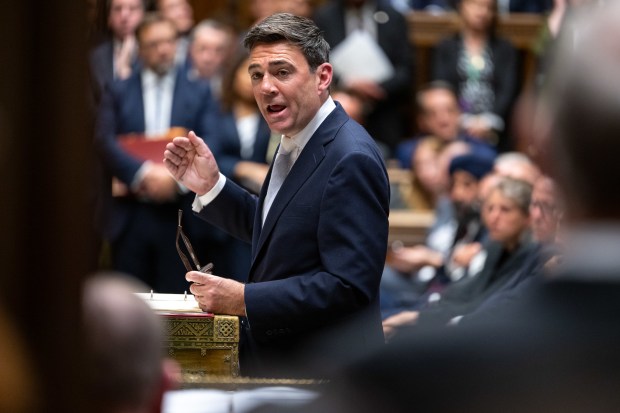
Burnham, who is Britain’s first Catholic prime minister, said last week that it was ‘unacceptable’ that the last remnants of the law of 1829 prevented him from ‘performing all the functions’ of his role.
Andy Burnham is, in his lapsed way, still a Christian, still a Catholic, even if he can’t be bothered to regularly attend mass and professes the Catholic faith in office, only, he says, because his mother wouldn’t forgive him if he didn’t. But is he, as a notional adviser on Anglican episcopal appointments, any worse than Sir Keir Starmer, a baptised Anglican and atheist? Probably most Anglicans would say not. And how about a Jewish PM? For the legislation applies to Jews as to Catholics. Michael Howard, the last Jewish Tory leader, who would have been an excellent prime minister, would, I feel sure, have consulted widely given the task. What about Rishi Sunak? Even though the current rules don’t apply to a Hindu PM (in 1829, the possibility of a Hindu or Muslim PM didn’t cross anyone’s mind) probably he’d have been fine given he was head boy at Winchester.
The CofE is paying a price for being the Established Church. I can’t say, qua Catholic, that I would care to have some sort of Erastian arrangement whereby the state appoints bishops (though unfortunately that’s pretty much the case in China right now). It feels wrong for those outside the church to have a part in the most important appointments within it, though may I say, if I were in Andy Burnham’s position I’d do it brilliantly (even though I don’t buy Anglican orders), starting off by refusing to recommend any women whatsoever.
The question is pretty academic anyway, given that the CofE nowadays proposes just one name for appointments to bishoprics, leaving the PM little scope to make creative appointments. And to do Andy Burnham justice, he would undoubtedly, if he had the choice, opt for the best candidate as he saw it. Really, it’s hard to think that he could make any worse choices for episcopal appointments than the C of E manages all by itself. His attitude is probably that of most laid-back Anglicans, seeing bishops as speaking for their communities – their justification for their continued membership of the House of Lords – rather than anything sacral. I met one bishop from a multi-ethnic diocese at the Archbishop of Canterbury’s press party who took pride that the CofE ‘brought people together’ who might otherwise not engage with each other.
It’s rather a far cry from the office as conceived in the liturgy for the consecration of Anglican bishops, where it says, ‘Almighty God, who by thy Son Jesus Christ didst give to thy holy Apostles many excellent gifts, and didst charge them to feed thy flock: Give grace, we beseech thee, to all Bishops, the Pastors of thy Church, that they may diligently preach thy Word, and duly administer the godly discipline thereof; and grant to the people, that they may obediently follow the same; that all may receive the crown of everlasting glory; through Jesus Christ our Lord. Amen.’ Diligently preaching the Word and administering godly discipline: that’s what Anglican bishops are actually for. It’s not quite how they, um, present though.
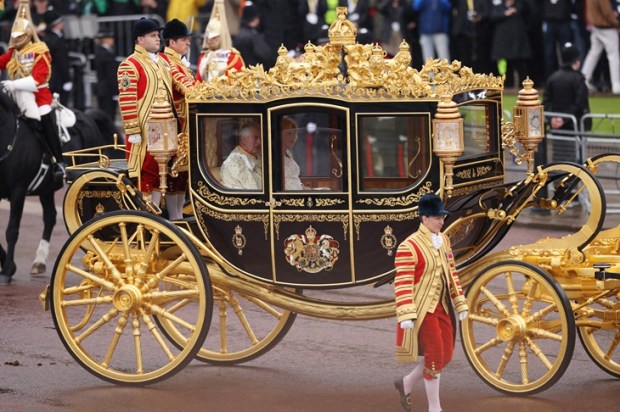
Right now the head of the CofE is a professing Christian monarch, though he may be the last – Prince William seems way less bothered about the Church than his father or grandmother. Wouldn’t it be better to drop the middleman, the PM, and let the King appoint his own bishops – without having to choose from a shortlist of one presented by the C of E? Given that his pet bishop is Richard Chartres, former bishop of London, he would unquestionably do a better job of it than anyone else.