I am aware that there is limited interest in my domestic arrangements, but there is a reason why I’m telling you that for much of my adult life I lived in central London. First in Bayswater, then in Fitzrovia. I loved the bustle, the grime, the noise and all the things which are part of – indeed the point of – living in a city centre.
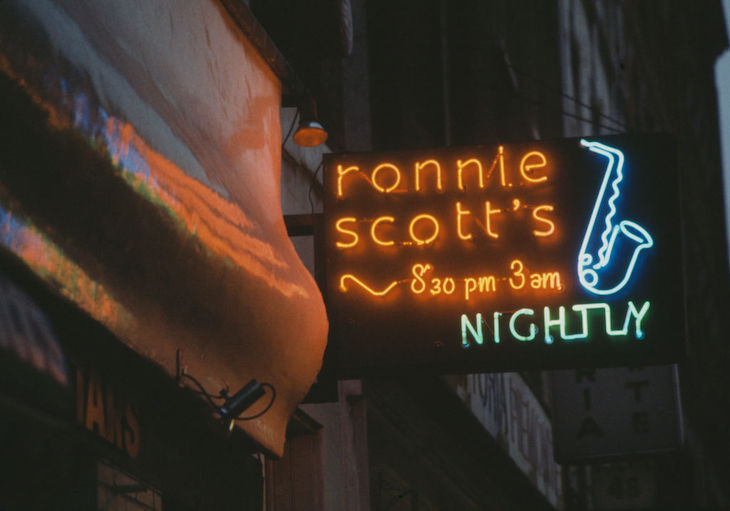
The Soho Society doesn’t like the idea of the area buzzing after bedtime – or even in daytime
And then I stopped loving them. As I got older, I decided that I no longer wanted my sleep to be interrupted by fights in the street outside my bedroom window (Cleveland Street, since you asked) and that I actually liked the idea of having some space. So I moved to suburbia, a path taken by many before and after me.
But that simple acceptance of the rationale behind choosing to live in central London and choosing not to live in central London – and what comes with the former, both positive and negative – appears to be unrecognised by the Soho Society. Without a trace of self-awareness, the society describes itself as being “for all the people that have Soho in their lives…residents, workers and visitors. The Soho Society listens to and represents them all.” But according to a report in Saturday’s Guardian the Soho Society is “ferociously objecting to all new bar and restaurant licences”. At its AGM last week it decided to challenge every single new application by a bar or restaurant – even to renew an existing licence. And it will object to any extensions to licences into the night, whether permanent or temporary, as a matter of policy. The Soho Society is not so much NIMBY as POSE: piss off somewhere else.
The society says it is seeking to tackle unacceptable noise levels, crime and litter. But although its views matter because it has a formal consultative role over Soho planning and licensing application, its selfish, blinkered, narrow-minded attitude is itself responsible for so much of what it complains about.
Soho has had its good times and its bad times. It’s currently going through the latter: crime is a real problem and businesses – bars, restaurants and cafes – finding it hard enough to survive also have to deal with a ludicrously powerful vested interest committed to making life even more difficult for them.
The argument put forward by the society that making it easier for hospitality to thrive in Soho would mean more crime is risible. Crime is not a product of the easy availability of smashed avocado. Nor is it a product of bars serving alcohol in a pleasant environment. Rather, it is the result of issues with policing, with the criminal justice system and also with the society’s own outlook, which means many businesses fail, creating a vicious cycle, and which forces the down-it-in-one drinking culture and sudden swamping of the streets imposed by a general 11pm chucking out time. The Soho Society appears to be unaware – although I suspect it knows full well – that other cities, both here and abroad, manage to have a welcoming attitude both to hospitality outlets and their customers without becoming crime centres.
If bars, restaurants and cafes were able to react to their customers’ needs, Soho would thrive, businesses would be sustainable and the area would buzz again.
That’s the real issue, of course. The Soho Society doesn’t like the idea of the area buzzing after bedtime – or even in daytime. They’d love it to be full of advertising agencies and graphic designers who go home after work, or after a quick supper in a restaurant where business tapers off early. They want to have their cake and eat it: to live in central London with all the advantages that brings. But not to have to deal with the other side of living in central London: the bustle and the people.
So the society uses any objections it can. Last year it said a new gin bar and distillery would be a fire hazard. The London fire brigade told the licencing hearing that it had no issues with the application and the objection did not carry the day. But it cost the distillery £44,000 in legal fees to fight the case, with the Soho Society only being made to pay £27,000 because it said it was in a precarious financial position. Other ludicrous objections have included the claim in 2019 that the converted Boulevard Theatre should not be built because customers could “suffer from lack of facilities” and thus urinate in the street; and its successful opposition to building works in Soho Square because it would mean noise between 11am and 4pm. Inevitably, the old building which remained became derelict and was inhabited by squatters.
In this respect the Soho Society represents so much of that is wrong with Britain. Rather than there being a predisposition towards entrepreneurialism and growth, those who put their own narrow interests above all else have the legal, regulatory or political means to impose those interests on the rest of us. Soho should, and could quite easily, be one of the world’s great centres of culture, food and drink – as well as being a wonderful place to live for those who value that. But instead, the Soho Society is putting a stop to the fun – and spoiling everything that’s good about Soho.