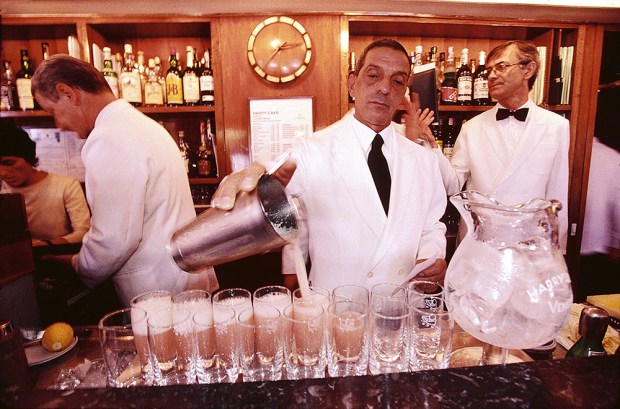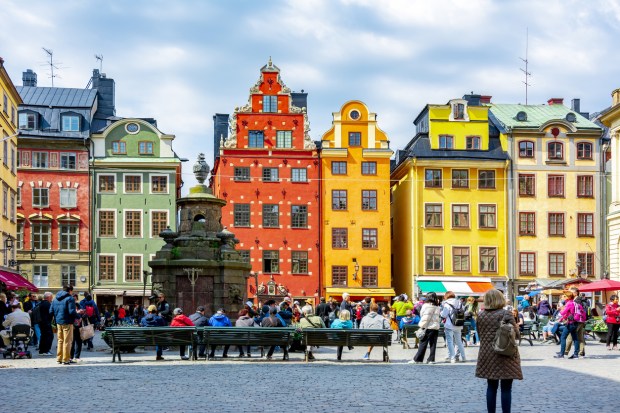
In the vermuterias of downtown Palma, locals talk of little other than ‘totality’. That is, the moment on 12 August, just after 8.30 in the evening, when the sun will almost be touching the horizon and there will be a total eclipse. It will be the first time since 1905 that Mallorcans have been able to witness a total eclipse at home, and they won’t get the chance again until 2180. You can see why it is dominating discussion in la hora del vermut.
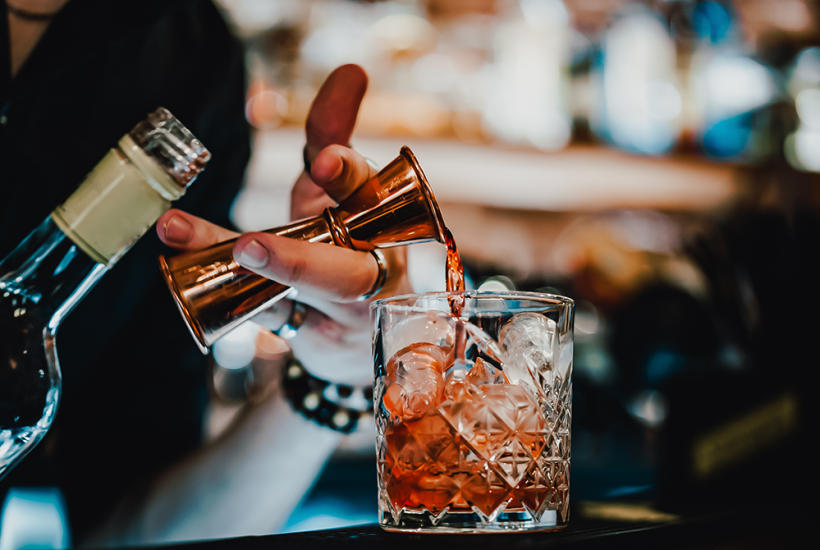
It would certainly elevate a negroni, but you fear wasting its potential in
a cocktail
The vermouth hour was once a custom in most Spanish towns. It’s the moment after midday but before lunch, when one can enjoy a break from the heat of the day with a glass of the fortified wine. It went into abeyance as the country’s economy opened and new drinks became more popular.
Now there are some who are trying to resurrect the tradition, not just in Spain but across the Mediterranean. La Rosa, which is a short stroll from the centre of Palma, is one such example of a rebounding vermuteria. Vermouth is very much back.
Of course, vermouth’s inclusion in cocktails means that the international market for it has never disappeared. Almost every home bar in the Home Counties will have a bottle of it somewhere, usually Cinzano or Martini. Its integral role in many cocktails means that outside of the Mediterranean it is, alas, mostly only appreciated as an ingredient.
The classic Spanish version of such a cocktail might include mixing a white vermouth with freshly pressed orange juice and cava, creating a refreshing spritz. But one of the great things about vermouth is the fact there is something for all palates in its range. Dry, sweet, white – all can be a refreshing sipper for these hot and heady days. Free from interference, it can be enjoyed on its own.
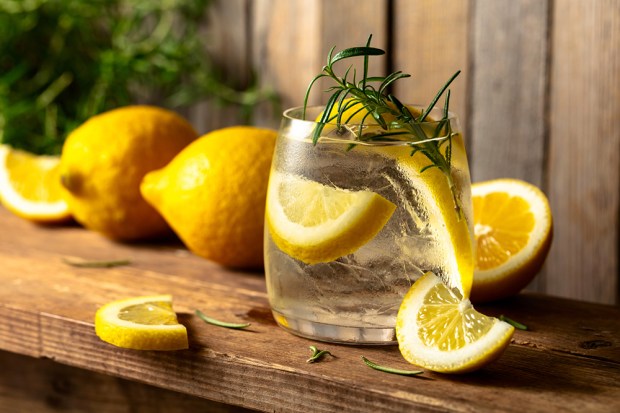
Served on the rocks and with a small slice of orange and an olive, the Lacuesta Vermut Reserva is a delight. It is also a steal at roughly £20 a bottle. Twenty years ago, the innovative Lacuesta family from Rioja decided to try to entice wine lovers back to vermouth, ageing it in barrels, as they would do with wine, to add flavour and intensity. From a light white wine base there then comes a toasted taste, approaching bitter. You can smell the result of the seven months spent ageing in oak casks before it hits the lips.
A similar, light brown option is also produced locally: El Mallorquín. It’s made by Bodegas Suau, a lodge that specialises in rum and brandy, and although it is similar to the Lacuesta Reserva, it has a little more depth to it due to the fact it is aged in barrels that used to contain the bodega’s brandy.
For those seeking even more intensity, Fernando de Castilla’s Vermut Rojo is a harder mahogany. It is based on sherry and features Pedro Ximénez grapes along with 27 other botanicals, such as lemon peel, orange and wormwood. It is then aged for eight years. The result is rich and full-bodied, perfect to enjoy on the rocks before dinner, with a slice of orange. While it would certainly elevate a negroni, it’s the perfect example of a vermouth you fear would be wasting its true potential if it ended up in a cocktail.
The Spanish vermouth resurgence has been long in the making. Though these are just a couple of examples, they are testimony to a tradition which is fighting back. For those not fortunate enough to be in Mallorca over the summer to witness the total eclipse, you can still raise a glass of vermouth to the hope that in 150 years’ time, when it comes back around, this drink will still be properly appreciated.
Got something to add? Join the discussion and comment below.
You might disagree with half of it, but you’ll enjoy reading all of it. Try your first month for free, then just $2 a week for the remainder of your first year.