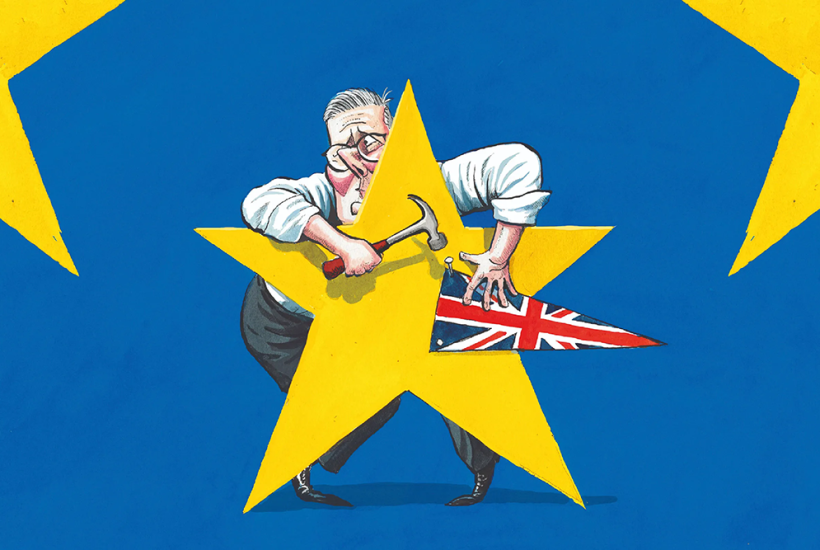
Amid the rubble of this government lies a tattered standard – the regimental colours of the current Labour party. The blue and gold of Brussels is now the binding force that holds together the different factions of this government. Keir Starmer and those who wish to replace him are united in their conviction that a refreshed, closer relationship with the EU is central to their destiny and Britain’s.
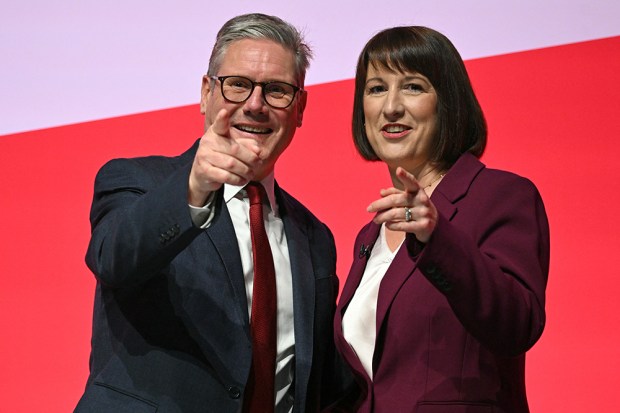
Starmer’s wish to once more hoist the European flag is understandable. He positioned himself to succeed Jeremy Corbyn by becoming the face of Brexit resistance. In the days, not so long ago, when he had a following, it was because his supporters believed he would lead Britain back into the heart of Europe. Now, Starmer wants to play that old tune. Undoing Brexit, he hopes, will halt the desertion not just of his own supporters but also Labour voters departing to the Greens and Lib Dems. This most unpopular of prime ministers wants to reconstruct a Popular Front.
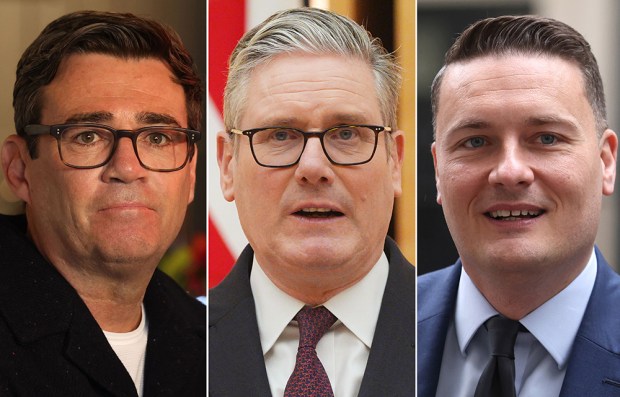
His analysis, if not yet his unpopularity, is shared by the rival contenders for his crown. Angela Rayner, Andy Burnham, Ed Miliband and, most of all, Wes Streeting have indicated they would wish to undo what they see as the folly of leaving the EU.
While past prime ministers have failed to make the most of Brexit, the gravest folly of all would be to take us back into the EU’s orbit. Labour’s wannabe leaders believe that EU membership, or quasi-membership, is popular with the voters they need to win back. Have they been listening to them?
When Sunderland, Wigan and Barnsley voted en masse for Reform was this a cri de coeur to Ursula von der Leyen to rescue them from nativism? Did the Greens win Muslim votes in Birmingham and hipster support in Hackney by pledging to emulate the budgetary discipline of the ECB? Are these elections evidence of a surging desire in British hearts for more power to be wielded by unelected and unaccountable bureaucrats? Do they yearn for rule by apparatchiks unresponsive to migration concerns, blithe about globalisation and convinced there is no problem that cannot be resolved without a technocratic fix, hammered out by lawyers and lobbyists?
Those Brexit sceptics who argue on principle, rather than political calculation, maintain that the EU is the answer to our growth problems. But that is like believing Dunkin’ Donuts is the answer to your weight problems. The EU is to growth what Tottenham Hotspur is to Premier League football – a fallen giant inspiring pity from competitors. The major EU economies do not enjoy, and have not enjoyed since Brexit, growth any higher than the UK. As the former ECB president, Mario Draghi, has pointed out, the Continent is an innovation desert scarred with the bleached bones of failed enterprises. Britain’s growth problems stem from high energy costs, an historic over-reliance on migrant workers, an increasingly rigid labour market, high taxes, over-regulation and burgeoning welfare costs. More Europe means more of that.
It is, of course, always possible in any negotiation to outdo expectations, to wrestle advantage by guile and resist loss by obstinacy. But does anyone truly believe that Labour would approach talks with Brussels from a position of strength, underpinned by resolution of steel? The EU does not see a strong British government but a desperate supplicant that has made clear it needs, yearns for, and will pay almost any price to, secure approval.
This is why the EU will require us to pay billions of pounds to access the single market, even though its members sell more to us than we sell to them. And any deal would benefit their businesses yet further in comparison to ours. It would be the equivalent of the landlord paying rent to the tenant.
When Sunderland, Wigan and Barnsley voted for Reform, was this a cri de coeur to Ursula von der Leyen?
The EU is so keen on the proposed youth mobility scheme because it will allow European nations to export their young unemployed to take the jobs that British school-leavers are already struggling to secure. Such a scheme is not only economically self-harming, it is also a direct insult to the British people who, whenever they have been asked, have voted for less immigration, not more.
And, perhaps most harmful of all, any EU deal would involve dynamic alignment with European rules, depriving Britain of regulatory freedom in those areas – financial services, gene editing, AI and tech – where we retain a competitive advantage. Just last week, Brexit freedoms allowed the UK to licence a new gene-edited crop which promises higher yields and greater resilience for farmers, the first in what could be a burgeoning harvest of growth. The EU wants to salt the earth for innovation in Britain and this government appears ready to let them.
The best future for Britain is not less Brexit, but more. An acceleration away from the gravitational pull of the innovation black hole that is Brussels. We need smarter regulation of financial services, a more flexible labour market, an end to the precautionary principle stifling technological breakthroughs and better training for British workers, not subsidies for idleness.
Is there anyone in the Labour party who recognises this? Or must Britain wait as more of our economy is reduced to rubble and the march of folly continues?
Got something to add? Join the discussion and comment below.
You might disagree with half of it, but you’ll enjoy reading all of it. Try your first month for free, then just $2 a week for the remainder of your first year.