The ‘frog in boiling water’ is a common anecdote. According to the story, if you put a frog in boiling water, it will immediately jump out to save itself … but if you put the same frog in normal water and then slowly increase the temperature, the frog will stay in the water and slowly boil to death.
The anecdote isn’t actually true with frogs, but unfortunately, it does hold true in many other situations. If a bad situation is introduced suddenly, then people rebel, but if it is brought in via many small steps, then most people adjust to each change and end up accepting their new fate.
We’ve seen this play out many times in Australia’s history. The majority would have rebelled against sudden massive tax hikes, but over a century the tax take has gone from 5 per cent to 30 per cent of GDP without much fuss. The majority would have rebelled against sudden removal of free speech, but over the last few decades, they have accepted the incremental anti-speech laws with only occasional pushback.
The slow boil of police powers
The same is true when it comes to police powers and surveillance laws. Over the last couple of decades, there have been dozens of new laws that have significantly shifted the balance of power from the people to the state. Each new law is justified as just a small change to make us safer, but taken together these changes represent a slow evolution from a free society into a police state.
There are too many examples to list (all of them going in the same direction), but one of the most dramatic laws was the ASIO Act introduced by Howard in 2003. That law gave our domestic spy agency extraordinary new powers to detain Australian citizens as young as 14 for several days, even if they are not suspected of any crime. This can be done without a judicial warrant, prisoners do not have the right to silence, access to lawyers is limited, and it’s illegal to tell others that you have been detained.
The idea that a spy agency could secretly detain children who aren’t even accused of a crime would have been unconscionable to most free people from the 20th Century… Like a horror story from the Soviet Union.
The free world has traditionally prided ourselves in not detaining people without at least suspicion of a crime, requiring judicial warrants, allowing full legal representation, ensuring children have a guardian, and upholding the right to silence. These things shouldn’t be given up lightly, and we should always be sceptical of giving more powers to a secret police.
These laws were controversial at the time.
Opposition parties and civil liberties groups warned about the dangers of extraordinary secret police powers, but the government leveraged Iraq war fever to apply political pressure. A compromise was eventually reached where the new powers were introduced as a temporary measure, set to lapse three years later. That didn’t happen. The laws were subsequently renewed in 2006, 2014, 2018, 2019, 2020, and 2025 with bipartisan support.
What next?
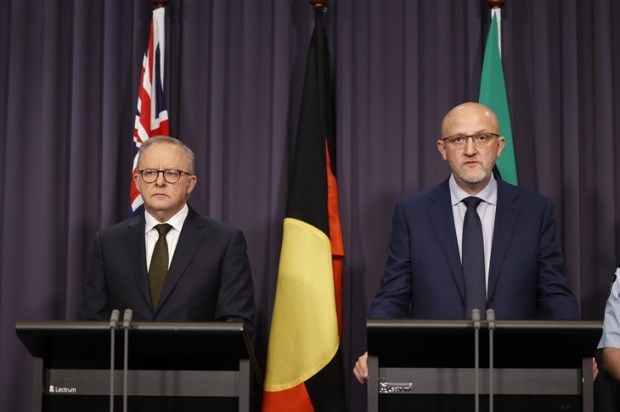
The government now wants to make these secret police powers permanent, proving once against Milton Friedman’s old maxim that ‘nothing is so permanent as a temporary government program’. The ASIO Amendment Bill #2 has already passed the House of Representatives with bipartisan support, and with little media or public pushback, but there is still time to influence the Senate.
It’s always hard to change the course of politics, but there is a template for success from earlier this year. In January, the government attempted to rush through hate laws that would have criminalised so-called ‘hate speech’. The loud pushback from the public caused One Nation to take a stand against the laws, which then spread to Liberal National backbenchers, and then the Liberal National leadership, which was enough to get the laws changed (though sadly not fully defeated).
If you share our concern about permanent secret police powers, this is what you can do to help:
- Speak up now. Tell your family and friends. Like and share social media posts that are critical of the secret police laws.
- Contact One Nation Senators directly (Hanson, Roberts, Bell, Whitten). Given their meteoric rise in opinion polls, their policy position is now more influential than ever. If they take a strong stand against government overreach, it will force the Liberal and National Parties to at least address this issue properly.
- Contact whichever Liberal and National politicians you think will listen (I suggest Alex Antic, Andrew Hastie, Tim Wilson and Matt Canavan). These laws can only be stopped if we convince the opposition to change policy direction, which means we’ll need allies within the Liberals and Nationals to make the case inside their party rooms.
- If you have the funds, please consider donating to the Australian Taxpayers’ Alliance to help boost our voice.
Time is running out. It’s a difficult and unlikely path, but if we can ramp up the pressure on One Nation and key opposition politicians, then there is still a chance that this legislation can be defeated.