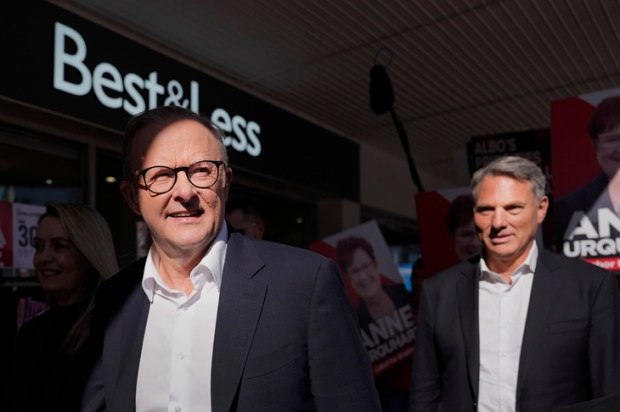
‘Don’t panic!’ cries Chris Bowen, while Richard Marles coughs and stammers his way out of questions pertaining to future fuel rationing.
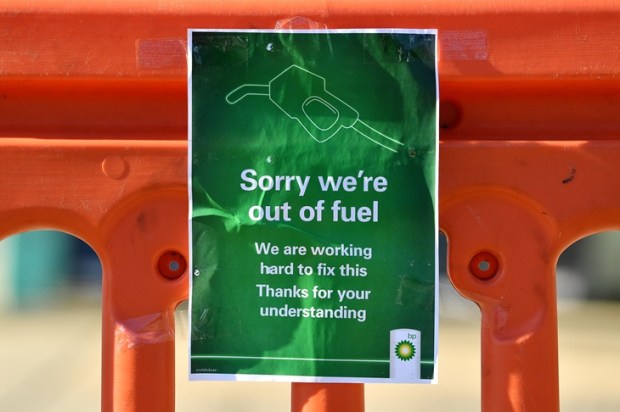
The Defence Minister was put on the spot after farmers and regional customers reported shortages, missed deliveries, and dry pumps.
‘Obviously, this is a function of how long this conflict continues and this is not something I can answer in terms of what’s going to happen, but we are taking the measures we are taking right now.’
Marles makes it sound as though the Labor government has no idea what’s doing or what it plans to do. If anyone sounds calm and rational, it’s the farming communities demanding to know what supply structures are being put in place to ensure they can plan the next growing season.
Politicians used to understand limited resources, strategic risk, and future planning. Today, those skills are almost exclusively applied to the election cycle rather than complex global markets. For too long, topline items in the nation have been an economic game rather than a critical piece of the national project. Fuel security has been about maximising savings while outsourcing the labour to countries that don’t have aggressive unions and expensive red tape.
We have good reason to raise an eyebrow at these bumbling ministers.
When Marles says he ‘strengthened domestic supply’, it sounds good. When you realise it was done by lowering sulphur standards and dipping into emergency supplies … it sounds bad.
By releasing an additional 20 per cent of domestic stock holdings, 716 million litres, we have depleted our safety net.
This is not the same thing as finding a solution.
And it is a million miles away from presenting emergency legislation to restart domestic production and prepare for (very likely) future conflicts.
After all, while this disruption to fuel supplies seems catastrophic in the context of our peaceful lifespan, history suggests this could escalate into something much worse that could stretch on for years and arrive at our doorstep.
What this saga has revealed, particularly if you read the previous fuel security reports, is that the people running and advising our government lack the creativity to envision a chaotic, violent world. Their advice, like their minds, remain trapped in the ‘trade will protect us’ dogma.
Marles went further today, telling Australians, ‘Right now, our message to Australians is to just keep going on as you normally would. As we speak, the same amount of ships that are coming in and supplying Australia are doing that.’
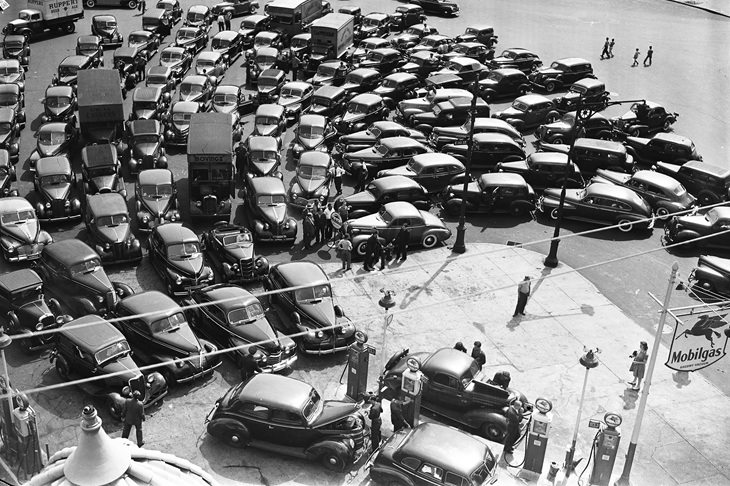
The problem being that fuel has a short half-life. Not only does this stop even the best prepper from filling up jerry cans, it robs the government of its preferred ‘stockpiling’ instinct.
Deep down, the Labor government knows that it has two options: hope and pray that war abates and Asia remains peaceful, or authorise the immediate construction of refineries and paint themselves as the number one enemy of the climate emergency.
This is interesting, because it will force Labor to admit, indirectly, that the climate emergency is a fabrication of negligible worth when weighed against the national interest.
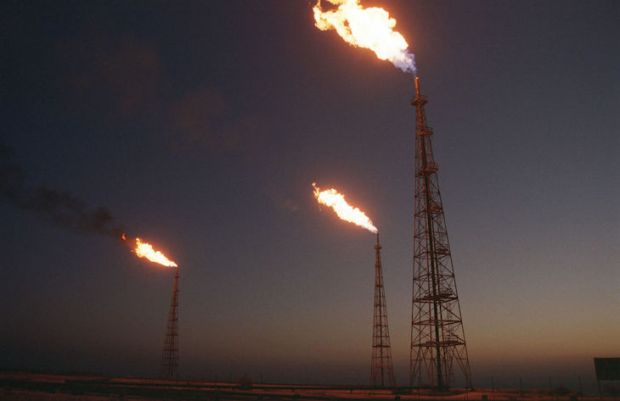
We are entering the third week of the war and regional areas are facing the worst fuel shortage in a quarter of a century.
As fuel prices surge and farmers consider leaving their produce to rot in the paddock, do you think the government is considering taking one for the team and ditching its fuel excise?
Lower taxes, to prevent a catastrophe?
No.
It’s more likely Penny Wong will announce another $50 million for the Taliban-held Afghanistan or Hamas-held Gaza than Australians getting a tax break on their fuel.
‘We very much understand the pressure, particularly in the regions,’ Marles said. He understands, but he won’t be withdrawing the government’s hand from regional wallets and the pump.
How long will it take Labor to face reality and sign off on refineries?
Will they do the responsible thing, or will they panic in the lead up to the South Australia state election and pretend that electric cars will ‘save Australia’ from the oil crisis and launch themselves head-on into the next renewable energy crisis when China decides ‘dibs on Taiwan’… Then Australia is at square one and even further behind.
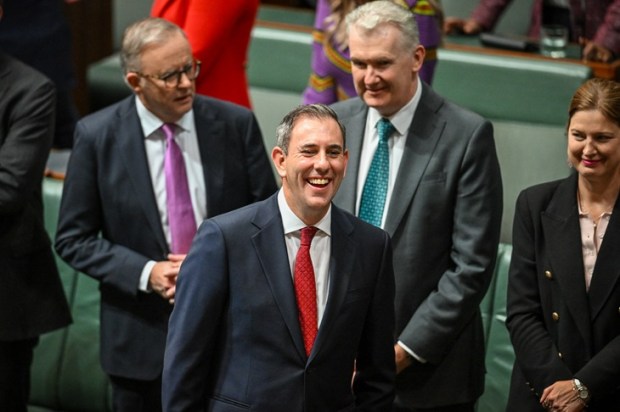
In the mean time, the least Albanese, Chalmers, and Marles could do it cut the bloody excise tax and give people a chance to get food out of the field and into the shops.